





Peanut Butter: The Protein-Packed Treat
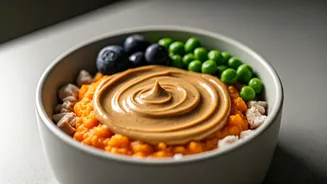
Dogs love peanut butter, and when chosen carefully, it can be a fantastic source of protein, healthy fats, and vitamins. The fats are primarily monounsaturated, which are good for heart health, while vitamins B and E contribute to a healthy coat and overall
vitality. It’s also a brilliant vehicle for hiding medication or simply as a high-value reward during training. However, not all peanut butter is created equal. The most critical rule is to check the ingredient list for xylitol, an artificial sweetener that is extremely toxic to dogs. Even small amounts can cause a life-threatening drop in blood sugar. Always opt for an unsalted, unsweetened, xylitol-free variety. The best choice is often a natural peanut butter containing only roasted peanuts. Due to its high calorie count, it should be given in moderation—a teaspoon for a small dog or a tablespoon for a larger one is a good guideline for a special treat.
Oats: A Wholesome Soothing Grain
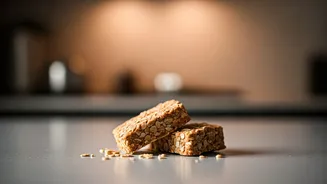
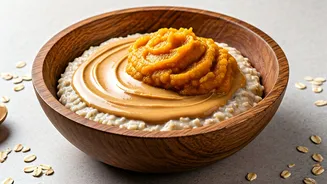
Often overlooked in pet nutrition, oatmeal is a wonderful, affordable ingredient to add to your dog’s diet. It is a great source of soluble fibre, which helps regulate bowel movements and is particularly beneficial for older dogs or those with digestive sensitivities. Oats are also rich in linoleic acid, an omega-6 fatty acid that promotes healthy skin and a shiny coat. Furthermore, they contain essential minerals like iron and B vitamins, which support energy levels and overall metabolic function. The key to serving oats is preparation. Never feed your dog raw oats, as they can be difficult to digest. Instead, cook the oatmeal with plain water, ensuring it is well-cooked and soft. Do not add any sugar, salt, milk, or flavourings. A spoonful mixed into your dog's regular meal can add fibre and nutrients without disrupting their balanced diet. It's an excellent, gentle carbohydrate source for dogs who may be sensitive to wheat or other grains.
Pumpkin: The Digestive Superstar
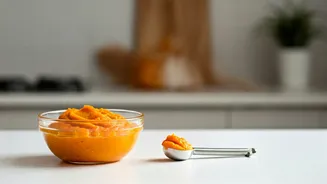
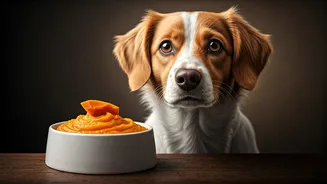
Pumpkin is a true superfood for pets, especially when it comes to digestive health. It is packed with both soluble and insoluble fibre, giving it the unique ability to help with both diarrhoea and constipation. The soluble fibre absorbs excess water in the gut to firm up loose stool, while the insoluble fibre adds bulk to help move things along when a pet is constipated. Beyond fibre, pumpkin is a rich source of Vitamin A, which is essential for vision and immune health, as well as Vitamin C and potassium. When buying pumpkin, it is crucial to purchase 100% pure pumpkin puree, not pumpkin pie filling. The pie filling is loaded with sugar, spices like nutmeg (which can be toxic in large amounts), and other additives that are harmful to pets. Plain, canned pumpkin or freshly cooked and pureed pumpkin (without seeds or rind) is the way to go. Just a tablespoon or two mixed with their food can work wonders for your pet's digestive regularity.
Putting It All Together Safely
While these three ingredients are nutritional powerhouses, they are best viewed as supplements or high-value treats, not a replacement for a complete and balanced diet. Commercial pet foods are scientifically formulated to provide all the necessary nutrients in the correct ratios. Using peanut butter, oats, and pumpkin is a great way to enhance that diet, add variety, and provide specific health benefits. You can stuff a toy with a mix of peanut butter and a little pumpkin, or add a spoonful of cooked oats to your dog’s dinner bowl. The key is moderation and observation. When introducing any new food, start with a very small amount to ensure it agrees with your pet's digestive system. By understanding both the benefits and the rules of preparation, you can safely turn these simple pantry staples into a premium addition to your pet's chow.