



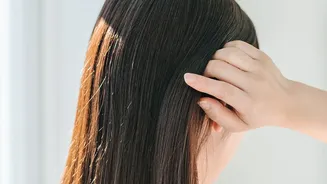

Why Dry Weather Disrupts Your Scalp
Your scalp is skin, and just like the skin on your face, it's vulnerable to environmental changes. During dry weather, the low humidity in the air pulls moisture away from your skin's surface. This process can compromise the scalp's natural protective
barrier, leading to a loss of essential hydration and natural oils. In India, this isn't just a winter problem. While the cold, dry air in northern states is a major cause, the shift from humid monsoon months to a drier climate can have a similar effect across the country. This sudden lack of moisture can result in a tight, uncomfortable feeling, persistent itchiness, and even fine, flaky skin that is often mistaken for dandruff. Ignoring these signs can weaken the hair follicles over time, affecting the overall health and appearance of your hair.
The Role of a Nourishing Scalp Serum
Think of a scalp serum as targeted skincare for your head. Unlike shampoos that cleanse or oils that primarily coat the hair, a serum is a lightweight, concentrated formula designed to be applied directly to the scalp and left in. Its main purpose is to deliver potent, active ingredients that penetrate the skin's surface to address specific issues like dryness, irritation, and imbalance. For dry weather woes, a hydrating scalp serum works to replenish lost moisture, soothe irritation, and reinforce the scalp's natural barrier. This helps create a balanced and healthy environment, which is the foundation for strong, vibrant hair growth.
Hero Ingredients That Restore Balance
When choosing a scalp serum for dryness, the ingredient list is your best guide. Look for formulas packed with humectants and soothing agents. Hyaluronic Acid is a star player, known for its ability to draw and hold onto water, providing deep and lasting hydration to the scalp. Niacinamide, a form of Vitamin B3, is another powerhouse that helps strengthen the skin barrier, preventing future moisture loss and calming inflammation. For immediate relief from itchiness and redness, ingredients like Aloe Vera and Chamomile offer calming properties. Additionally, some serums contain antioxidants like Vitamin E, which protect the scalp from environmental stressors that can worsen dryness. These ingredients work together not just to provide a temporary fix, but to restore the scalp's equilibrium.
How to Choose and Use a Scalp Serum
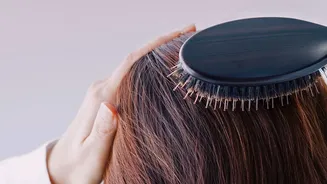
Finding the right serum depends on your specific needs. If your primary concern is tightness and flakiness, prioritise serums with 'hydrating' or 'soothing' on the label, featuring ingredients like hyaluronic acid and aloe vera. If you have some minor buildup along with dryness, a formula with a very mild exfoliant might help, but avoid harsh scrubs that can cause more irritation. Application is key for effectiveness. Part your hair into small sections and apply a few drops of the serum directly onto your damp or dry scalp. Use your fingertips—not your nails—to gently massage the product in with circular motions for a minute or two. This not only ensures even distribution but also stimulates blood circulation. Since most serums are leave-in treatments, there's no need to rinse. Consistency is more important than quantity; applying a small amount regularly will yield the best results.