



The City That Never Cools Down
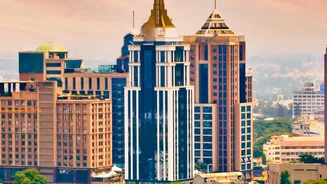
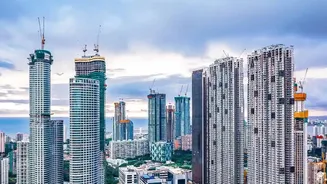
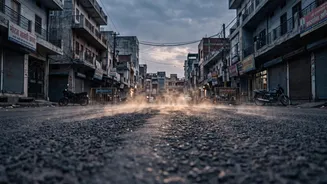
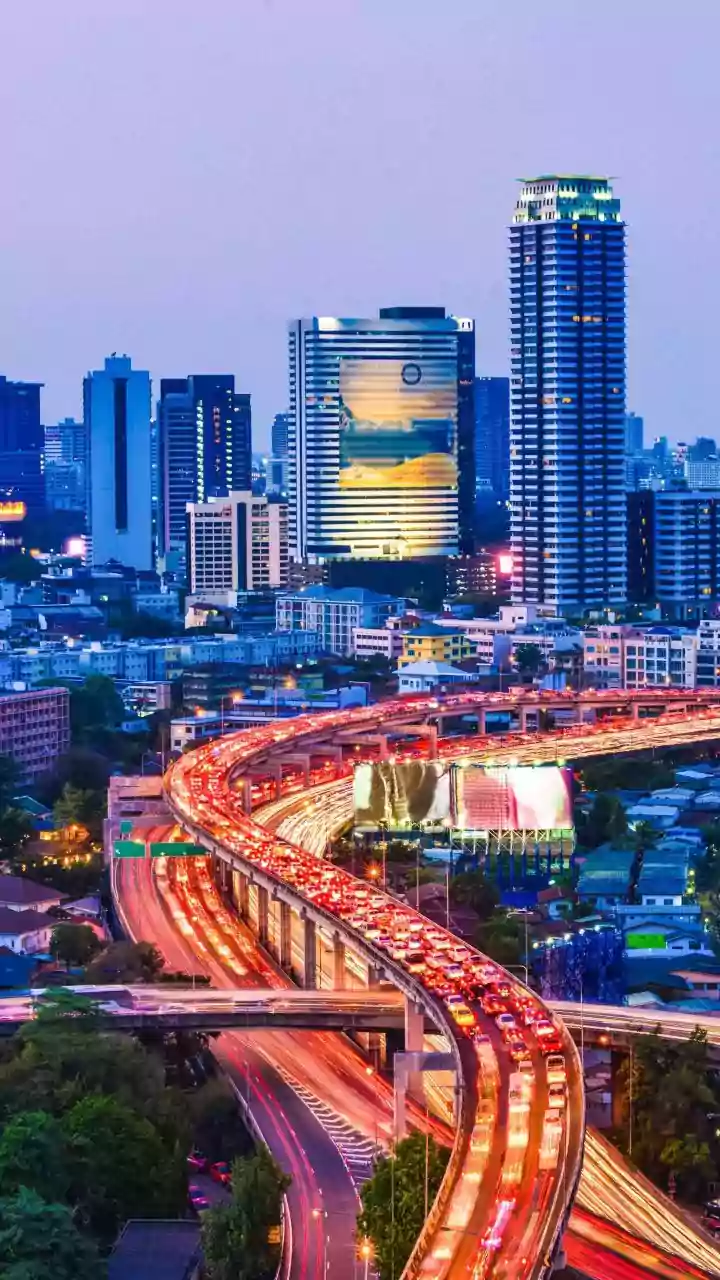
Our cities are getting hotter, and not just because of climate change. A phenomenon known as the 'urban heat island' effect is turning our urban centres into ovens. This happens because concrete, asphalt, and dense buildings absorb and retain far more
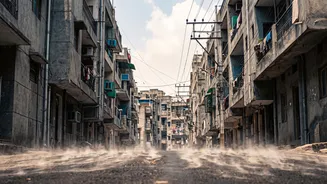
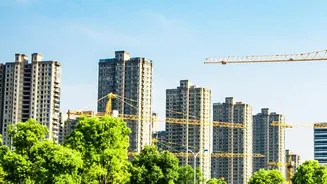
heat than natural landscapes like forests and fields. During the day, these surfaces soak up solar radiation, and at night, they release it, keeping the city significantly warmer than surrounding rural areas. This is especially pronounced in India's rapidly expanding Tier 2 cities, such as Lucknow, Jaipur, and Patiala. Unlike their Tier 1 counterparts, which grew over a longer period, these hubs are often expanding with dense, unplanned construction, minimal green cover, and a lack of water bodies, creating the perfect conditions for a heat island. Studies show these cities can be several degrees warmer than their rural neighbours, a gap that is expected to widen.
Your Body's Internal Clock
Every living thing, including humans, operates on an internal 24-hour cycle called the circadian rhythm. This biological clock is located in the brain and coordinates countless bodily functions, from hormone release to metabolism. Its most well-known job is regulating the sleep-wake cycle. When it gets dark, your brain produces melatonin, a hormone that signals it's time to sleep. As you prepare for rest, your core body temperature naturally begins to drop. This cooling process is a crucial signal for initiating and maintaining deep, restorative sleep. Your body essentially has a pre-programmed schedule, and temperature is one of its most important cues, second only to light.
When Heat Hijacks Your Sleep
This is where the urban heat island effect collides with our biology. When the ambient temperature of your bedroom remains high, it interferes with your body's natural ability to cool down. This struggle to lower your core temperature can make it harder to fall asleep and stay asleep. Research shows that heat exposure leads to more frequent awakenings and reduces the time we spend in the most critical sleep stages: deep sleep (slow-wave) and REM sleep. These stages are vital for physical and mental recovery, including cell repair, memory consolidation, and immune system strengthening. Essentially, your body has to work overtime just to regulate its temperature, sacrificing restorative sleep in the process. Even a few nights of heat-disrupted sleep can leave you feeling fatigued, irritable, and unable to concentrate.
The Tier 2 City Challenge
While this is a global issue, growing Tier 2 hubs in India face a unique set of challenges. Rapid, often unregulated construction means less space for cooling elements like parks and trees. A study across Kochi, Lucknow, and Jaipur found that residents of informal settlements reported significant sleep disturbances due to night-time heat. Limited access to cooling technologies like air conditioners exacerbates the problem. For many, even an electric fan is a luxury. The long-term consequences of this chronic sleep disruption are serious. Studies have linked poor circadian health to a higher risk of metabolic disorders like diabetes, cardiovascular problems, and mood disorders like depression and anxiety.
Reclaiming a Good Night's Sleep
Tackling this issue requires a two-pronged approach. On a city-wide level, urban planners have a critical role. Strategies like increasing green cover by planting more trees, creating 'green roofs', using reflective materials for roads and buildings ('cool pavements'), and preserving water bodies can significantly lower urban temperatures. These measures help break up the heat island, offering widespread relief. For individuals, simple steps can make a difference. Promoting airflow with open windows (if safe and practical), using breathable cotton sheets, and taking a cool shower before bed can help facilitate the body's cooling process. While these personal tactics provide immediate relief, the long-term solution lies in building more sustainable and climate-resilient cities that prioritise human health alongside development.