

The Emerald Carpet of Tea Gardens
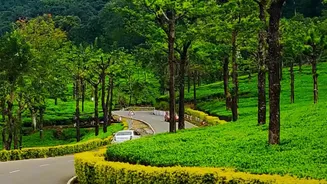
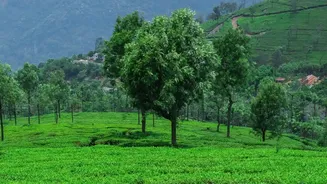
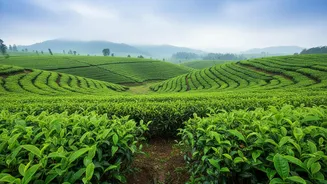
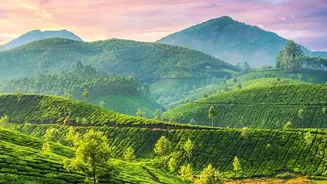
There is no image more synonymous with Assam than its sprawling tea estates, and the monsoon is when they are at their most breathtaking. The rains wash the landscape, leaving behind an endless carpet of vibrant, glistening green leaves under dramatic
grey skies. Towns like Jorhat, the tea capital of Assam, and Dibrugarh become serene getaways. A walk or drive through these estates during a light drizzle, with the air thick with the fragrance of wet earth and fresh tea leaves, is an experience in itself. Many estates offer tours and tasting sessions, allowing you to sip a cup of robust Assam tea while watching the rain nourish the very plants it came from. It’s a peaceful, sensory experience that defines the Assamese monsoon.
Wildlife Sanctuaries in a New Light
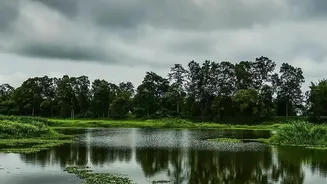
While it's true that major national parks like Kaziranga and Manas are mostly closed to visitors from June to October due to flooding, the monsoon doesn't mean a complete end to wildlife spotting. Some parks, like Dibru-Saikhowa National Park, are wetland havens that thrive during the rains, offering incredible opportunities for boat safaris to see the region's rich biodiversity. This riverine park is a bio-diversity hotspot and is open throughout the year. Similarly, Pobitora Wildlife Sanctuary, known for its dense population of the one-horned rhinoceros, can offer an adventurous safari experience. Even the fringe zones of larger parks can be explored, showcasing the landscape's dramatic transformation and offering glimpses of animals near the highlands. Birdwatching is particularly rewarding, as many resident and migratory birds flock to the burgeoning wetlands.
A Spiritual Monsoon Spectacle
The monsoon season in Assam hosts one of the most significant spiritual gatherings in the country: the Ambubachi Mela. Held annually in mid-June at the Kamakhya Temple in Guwahati, this unique festival celebrates the yearly menstruation of the goddess, symbolizing the fertility of Mother Earth. The event draws hundreds of thousands of devotees, sadhus, and tantrics from across India and beyond, transforming the temple complex into a vibrant spiritual carnival. Derived from a word meaning “the issuing forth of water,” the festival is deeply tied to the life-giving nature of the monsoons. For travellers interested in culture and spirituality, witnessing the devotion and ancient rituals of the Ambubachi Mela offers a profound insight into the region's traditions.
The Majesty of the Brahmaputra
The mighty Brahmaputra River, the lifeline of Assam, swells to its full, majestic glory during the monsoon. While this can lead to floods in low-lying areas, it also creates dramatic and powerful landscapes. A river cruise during this time is an unforgettable experience, offering stunning views of misty riverbanks and golden sunsets against a rain-washed sky. You can also visit Majuli, the world's largest river island. The rains turn the island into a lush paradise, and while ferry services can be subject to weather, a visit offers a peaceful glimpse into Assamese culture, with its ancient Vaishnavite monasteries (Satras) and vibrant craft traditions.
A Feast for the Senses
Assamese cuisine, known for its simplicity and fresh flavours, truly shines during the monsoon. The season brings an abundance of fresh greens and local vegetables. It’s the perfect time to enjoy a bowl of Masor Tenga, a light and tangy fish curry that is incredibly comforting on a rainy day. Another must-try is Khar, a unique alkaline dish made from raw papaya or lentils that is a cornerstone of any Assamese meal. For a simple, soulful dish, there is Aloo Pitika—a delicious mash of potatoes with mustard oil, onions, and chillies. These local delicacies, often enjoyed while listening to the sound of rain, provide a delicious window into the heart of Assamese culture.