






The Social Calendar Overload
From Navratri's late-night garba to Diwali's card parties and family gatherings that stretch into the early hours, the festive season is a whirlwind of social commitments. These events are the heart of the celebration, but they directly conflict with
a regular sleep-wake cycle. The pressure to participate, host, and visit friends and family means later bedtimes are almost inevitable. This creates a 'sleep debt' that accumulates over days or even weeks. What begins as one late night for a puja or party becomes a pattern, making it progressively harder to feel rested. The excitement and emotional energy of these gatherings also play a role, creating a 'cognitive arousal' that makes it difficult to wind down and fall asleep even when you finally get to bed.
The 'Social Jetlag' Effect
When your festive schedule (staying up late, sleeping in) clashes with your regular weekday routine (early mornings for work or school), you experience what chronobiologists call 'social jetlag'. This is the tired, groggy feeling that occurs when your body's internal clock is forced to shift back and forth between two different time zones—your social life and your work life. During festival season, this effect becomes pronounced. The body's natural 24-hour circadian rhythm, which regulates sleep, appetite, and energy, gets confused. This mismatch is why you might feel sluggish and find it difficult to concentrate, and research has linked chronic social jetlag to weight gain and other metabolic issues.
A Feast for the Senses (and Insomnia)
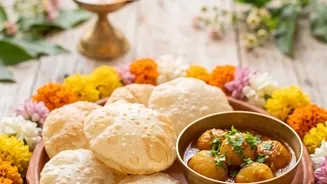
Festive food is a delight, but it can be a significant obstacle to good sleep. Heavy, spicy, and greasy foods like pakoras, rich curries, and biryani, often consumed late at night, can cause indigestion and acid reflux, disrupting sleep. Sweets and desserts, a cornerstone of any Indian festival, are loaded with sugar. A high sugar intake before bed causes a blood glucose spike, which can lead to awakenings later in the night as your blood sugar levels drop. Similarly, caffeinated beverages like coffee and some soft drinks, often served to guests, act as stimulants that make falling asleep much harder. Even a moderate amount of alcohol, while it might make you feel sleepy initially, fragments sleep in the latter half of the night as your body metabolises it.
An Atmosphere of Excitement and Noise
The festive environment itself is a major sleep disruptor. The sound of firecrackers, loud music from pandals, and the general buzz of neighbourhood celebrations can make it difficult to find the quiet needed for rest. Prolonged exposure to loud noise can elevate stress hormones like cortisol and suppress melatonin, the hormone that signals your body it's time to sleep. Beyond the noise, the bright decorative lights can also interfere with sleep. Exposure to light, especially in the evening, sends a signal to your brain that it's still daytime, which can delay the onset of sleep. Add to this the psychological stress of planning, budgeting, and hosting, and it creates a perfect storm of mental and environmental stimulation that keeps your mind racing long after your head hits the pillow.
How to Find Your Balance
While you can't miss out on the fun, you can take small steps to mitigate the impact on your sleep. Try to stick to a consistent wake-up time, even if you go to bed late, as this helps to anchor your body clock. If you anticipate a very late night, a short 20-30 minute 'power nap' in the afternoon can help. Be mindful of your food and drink intake in the hours before bed; try to finish heavy meals at least two to three hours before you plan to sleep. Finally, give yourself a small window of time to unwind without screens before bed. Engaging in a relaxing activity like reading can signal to your body that it's time to transition from the festive excitement to a state of rest.