






So, What Are These Contracts?
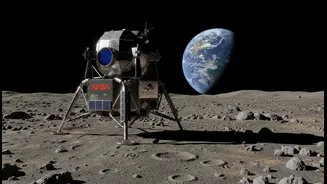
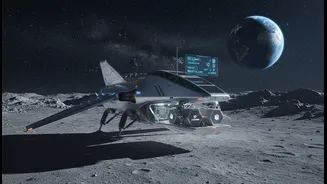
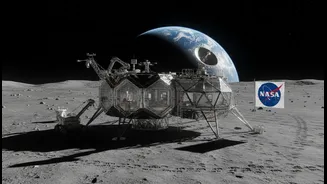
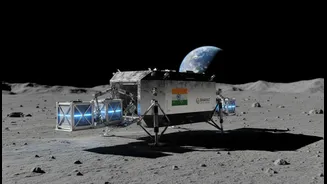
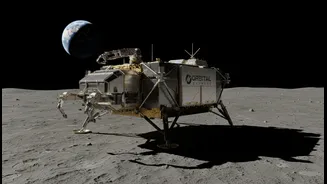
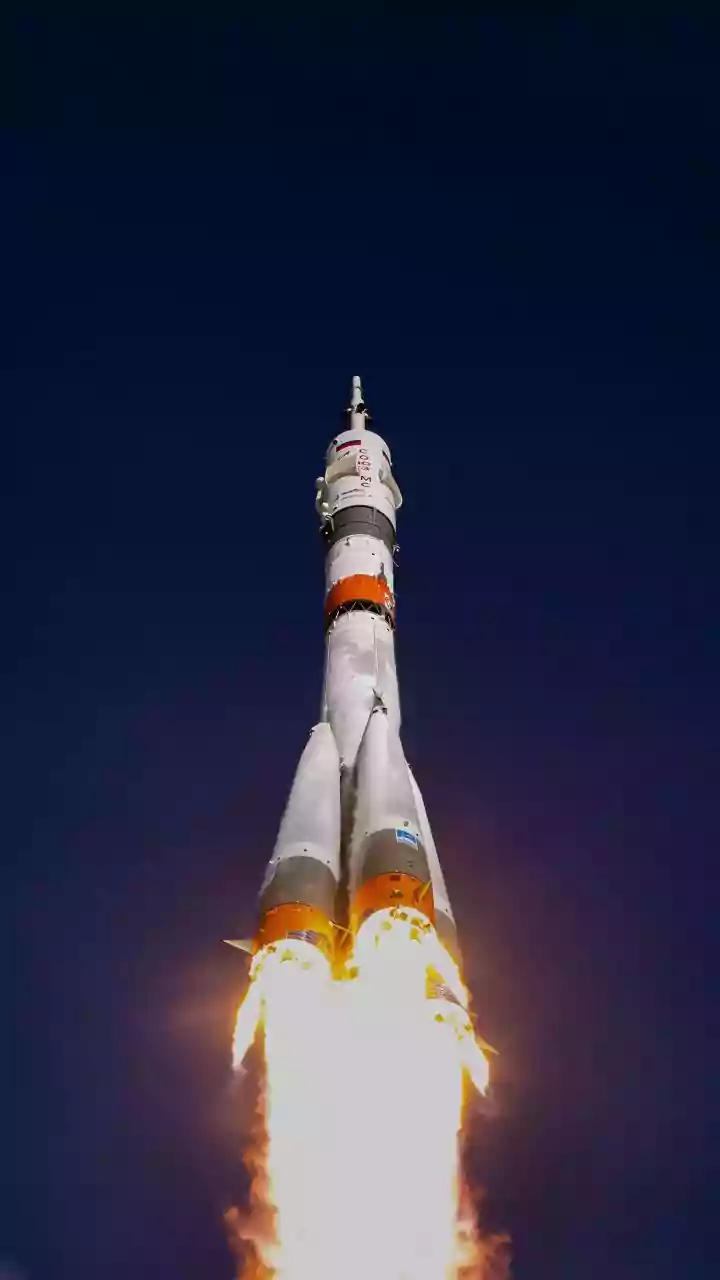
NASA has tapped three American companies—Astrobotic, Firefly Aerospace, and Intuitive Machines—for four new missions to deliver science and technology to the Moon's surface in late 2028. The awards, totaling nearly $600 million, are part of the Commercial
Lunar Payload Services (CLPS) initiative. Think of CLPS as NASA hiring a fleet of interstellar couriers. Instead of building and operating its own delivery vehicles for everything, the agency buys this service from the private sector. This approach is designed to foster a commercial space economy, drive down costs, and speed up the pace of lunar exploration.
The Bigger Picture: The Artemis Program
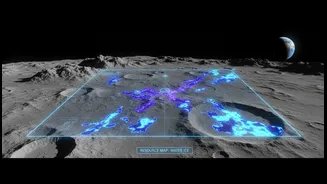
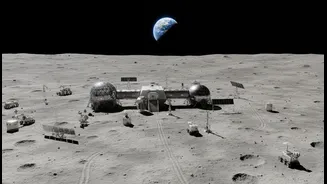
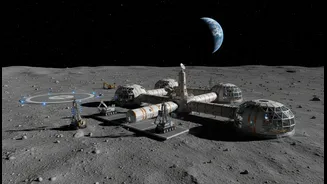
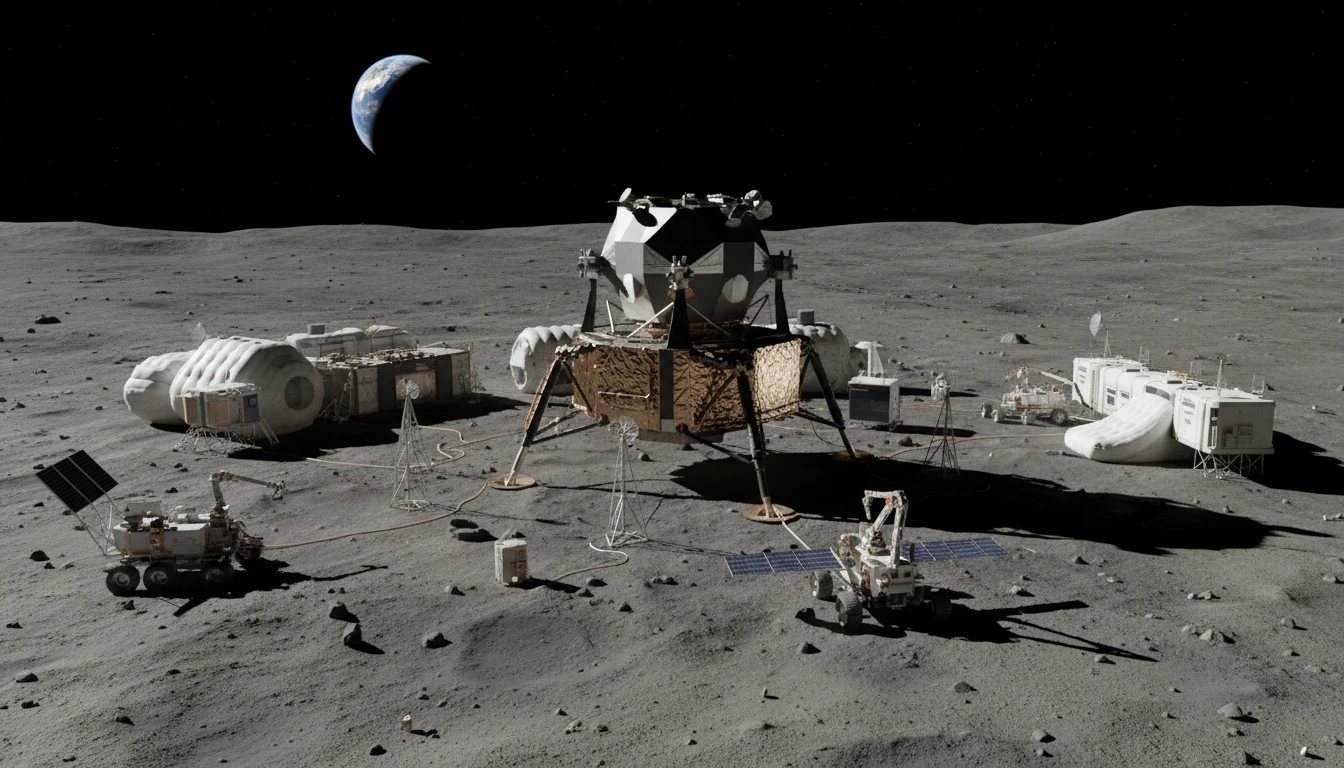
These deliveries are not standalone science missions; they are fundamental to NASA's ambitious Artemis program. The ultimate goal of Artemis is to establish a sustained human presence on the Moon, including a permanent lunar base, likely at the South Pole. Before astronauts can live and work there, NASA needs to understand the environment in great detail. These robotic CLPS missions act as scouts, deploying instruments to study the lunar soil, radiation, and potential resources like water ice. They are laying the scientific and logistical foundation for future crewed landings. In fact, NASA is accelerating its mission cadence, aiming for multiple robotic landings a year to prepare for its 'Moon Base' effort.
The Science on Board
Each of these newly awarded missions will carry a standardized suite of NASA instruments. The Stereo Camera for Lunar Plume Surface Studies (SCALPSS) will create 3D views of how a lander's engine exhaust kicks up lunar dust, which is critical data for designing safe landing pads for larger human-rated vehicles. A Laser Retroreflector Array (LRA) will act as a permanent marker on the surface, allowing orbiting spacecraft to pinpoint their location with extreme precision. Finally, the Linear Energy Transfer Spectrometer will measure the radiation environment, which is essential for protecting future astronauts from harmful cosmic rays. These instruments, and others from past and future CLPS missions, are gathering the essential data needed for long-term human survival on the Moon.
Building a True Lunar Economy
The CLPS model represents a significant shift in strategy for NASA. It's a move away from being the sole developer and operator of space hardware to becoming an anchor customer in a burgeoning commercial marketplace. This strategy was successfully pioneered with the Commercial Resupply and Commercial Crew programs that now service the International Space Station, bringing companies like SpaceX into the fold. By guaranteeing contracts, NASA incentivizes private companies to invest their own capital, develop new technologies, and seek other customers, such as universities or foreign space agencies. This competition is expected to lower costs for everyone and create a self-sustaining economy beyond Earth orbit, with services ranging from payload delivery to, one day, tourism and resource extraction.
The Road to a Moon Base
The upcoming CLPS missions in 2028 are crucial stepping stones. They will provide vital information about the lunar environment and test the technologies needed for a permanent outpost. The Artemis program envisions yearly crewed landings starting after the initial return, with Artemis V, also targeted for late 2028, beginning the construction of the base. These small robotic landers are the unglamorous but essential workhorses doing the prep work. They are surveying the building site, testing the tools, and mapping the terrain for the human explorers who will follow. Each successful landing and every data point gathered brings the vision of a bustling scientific outpost on the Moon a little closer to reality.