






The Post-Monsoon Cleanup
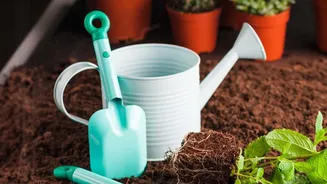
The first step to a thriving October garden is dealing with the aftermath of the rains. Weeks of moisture can leave pots waterlogged, soil compacted, and plants looking tired. Start by clearing out any dead leaves, weeds, and debris from your containers.
This simple cleanup improves air circulation and prevents fungal diseases from taking hold. Prune any yellowed or damaged branches to encourage fresh, healthy growth. Gently loosen the topsoil in your pots with a small fork to help the roots breathe after being soaked for weeks. This is also a good time to check your pots' drainage holes and ensure they aren't blocked.
Revitalise Your Soil
Monsoon rains often wash away essential nutrients from the soil, leaving it depleted. October is the time to replenish this goodness. Add a generous layer of organic compost or well-rotted manure to your pots. This not only feeds your plants but also improves the soil's structure and drainage. A mix of neem cake powder can help deter pests that thrive in the post-monsoon humidity. For a balanced potting mix, consider a combination of garden soil, compost, and cocopeat, which provides moisture retention without becoming soggy. Avoid using heavy chemical fertilisers immediately; let the soil recover naturally first.
What to Plant This October
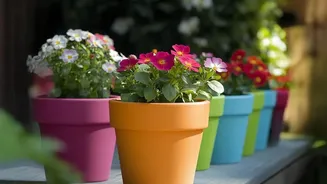
October is arguably the best planting month in India. The soil is still warm, which aids germination, while the cooling air is ideal for a wide variety of plants. For flowers, this is the perfect time to sow winter champions like Marigolds (Genda), Petunias, Chrysanthemums (Guldaudi), and Calendula. They will establish strong roots now and bloom profusely through the winter months. In the vegetable patch, focus on cool-season crops. Leafy greens like Spinach (Palak), Coriander (Dhania), and Fenugreek (Methi) grow quickly and can be harvested in weeks. It's also the ideal time to plant root vegetables like Carrots (Gajar) and Radishes (Mooli) in deep pots.
A Gardener's Guide to Major Cities
India's climate varies significantly, and your gardening strategy should adapt accordingly. Delhi & North India: With temperatures dropping, this is the prime time to sow for a winter harvest. Focus on leafy greens, carrots, beets, and peas. Winter flowers like pansies, petunias, and dahlias will thrive in the coming cool weather. Start preparing for the drier winter by ensuring your potting mix can retain moisture. Mumbai & West Coast: The humidity is still high post-monsoon. Prioritise plants that love warmth and have good air circulation to prevent fungal issues. Continue growing monsoon favourites like hibiscus and balsam, but also introduce winter flowers like marigolds. Ensure excellent drainage in all pots to handle any lingering heavy showers. Bangalore & Deccan Plateau: The weather here is often described as a gardener's paradise in October. You can grow almost anything, from leafy greens and root vegetables to a vast array of flowers. The moderate climate means less stress for plants, making it a great time for beginners. Chennai & East Coast: Your focus should be on preparing for the upcoming Northeast monsoon. This means drainage is critical. Opt for plants that can withstand rain, such as hardy greens. Elevate pots on bricks or stands to prevent them from sitting in water. It's a good time to plant gourds and beans that thrive in moist conditions.
Watering and Care Essentials
With the monsoon gone, you need to resume a regular watering schedule. The golden rule is to check the soil before watering. Poke your finger an inch into the soil; if it feels dry, it's time to water. If it's still damp, wait another day. Overwatering is a more common problem than underwatering in the post-monsoon period. As the sun's angle changes, observe your balcony to see which spots get at least 4-6 hours of sunlight, as most flowering and fruiting plants will need this to flourish. Finally, keep an eye out for pests. A simple weekly spray of a neem oil solution can keep most common garden pests at bay.