





Why A Weather-First Strategy Matters Now
July in India is synonymous with the monsoon. While this season transforms landscapes into lush, green paradises, it also brings challenges like heavy downpours, floods, and landslides, particularly in vulnerable regions. According to the India Meteorological
Department (IMD), the Southwest Monsoon has been active, with heavy rainfall reported in several states including Maharashtra, Karnataka, and parts of North India. Planning a trip without checking the forecast can lead to cancelled plans and risky situations. A 'weather-first' approach means prioritising climate patterns over simple destination desire. It involves choosing locations that are either safe and beautiful during the rains or those that lie in rain-shadow regions, offering a dry escape. This mindset shift ensures you are not fighting the weather but working with it to create a memorable and, most importantly, safe holiday.
Embrace the Rains: Best Monsoon Havens
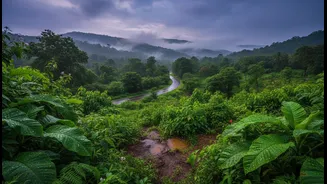
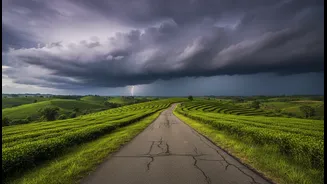
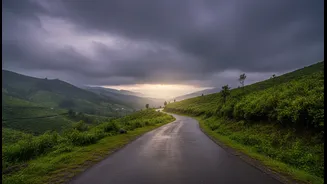
For those who love the romanticism of the monsoon, several destinations come alive in July. Udaipur in Rajasthan, the 'City of Lakes', is one such place. The rains fill its famous lakes, like Pichola and Fateh Sagar, and the washed-clean palaces reflect beautifully on the water. The cooler temperatures make exploring its historic forts and markets much more pleasant. Similarly, hill stations in the Western Ghats like Lonavala and Mahabaleshwar in Maharashtra are popular weekend getaways, known for their misty hills, overflowing dams, and dramatic waterfalls like Tiger's Leap. Down south, destinations like Munnar and Wayanad in Kerala offer breathtaking views of tea plantations and spice gardens draped in mist. While beautiful, it's wise to check for any local alerts, as heavy rains can sometimes impact travel in these regions.
Chase the Sun: Dry Escapes in July
If you'd rather escape the rain entirely, India has fantastic options in its rain-shadow regions. The undisputed top choice is Ladakh. While the rest of the country experiences monsoon, Ladakh enjoys clear, sunny skies and pleasant weather, making it the peak season for tourism there. It is ideal for road trips, trekking, and visiting monasteries against a backdrop of stunning mountain scenery. The Spiti Valley in Himachal Pradesh offers a similar high-altitude desert experience with minimal rainfall, perfect for adventurous travellers seeking dramatic landscapes and remote monasteries. Parts of Tamil Nadu, like Kodaikanal, also receive less rainfall compared to their neighbours, offering a misty but manageable hill station experience.
Red-Flag Zones: Where to Avoid This Month
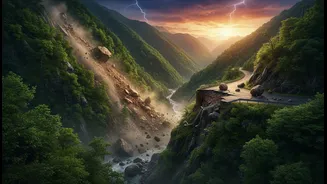
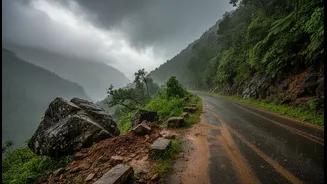
Prioritising safety means knowing which areas are best avoided in July. Many popular Himalayan destinations like parts of Uttarakhand and Himachal Pradesh face an increased risk of landslides and flash floods during peak monsoon. Roads to places like Manali and Mussoorie can become treacherous. Similarly, regions in the North East, such as Assam and Meghalaya, experience some of the heaviest rainfall in the country, which can lead to flooding and travel disruptions. While beautiful, even destinations like Cherrapunji are best visited when the rains are less intense. Coastal areas prone to cyclones, like parts of Odisha, and regions with recent red alerts, such as Kodagu (Coorg) which has seen landslides, also require extreme caution. Always check official IMD warnings before finalising plans.
Your Monsoon Travel Checklist
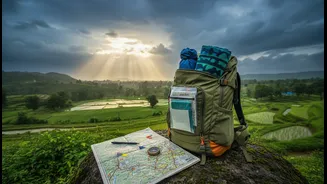
Once you've picked a weather-appropriate destination, smart packing and planning are key. First, book accommodation and transport with flexible cancellation policies. Keep buffer days in your itinerary to account for potential weather-related delays. When packing, opt for quick-drying synthetic fabrics and avoid cotton. A reliable waterproof jacket and waterproof bags for your electronics are non-negotiable. Pack sturdy footwear with good grip, especially if you plan on walking or trekking. It is also wise to carry a basic medical kit with remedies for common ailments. Finally, before and during your trip, stay updated with local news and weather apps. Checking road conditions, especially in hilly or remote areas, can prevent you from getting stranded.