




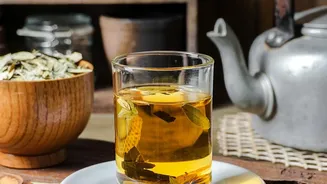
What Exactly Is Nilgiri Orthodox Tea?
Often overshadowed by its more famous Indian cousins, Darjeeling and Assam, Nilgiri tea is a hidden gem. It comes from the Nilgiri Hills, or “Blue Mountains,” in Southern India, a region with high altitudes and dual monsoons that allow for year-round
harvesting. This results in a consistently fresh and vibrant tea. The term "orthodox" refers to the traditional method of processing where the leaves are rolled whole, preserving their delicate structure and nuanced flavors. Unlike mass-market CTC (Crush, Tear, Curl) teas designed for strong, quick brews in tea bags, orthodox processing creates a more complex, aromatic, and less astringent cup. Nilgiri teas are celebrated for being exceptionally fragrant, with bright floral and fruity notes and a crisp, clean finish.
The Gentle Magic of Cold Brewing
The secret to a superior glass of iced tea isn’t just about the leaves—it’s about the method. Traditional iced tea is made by brewing tea hot and then rapidly cooling it down with ice. This thermal shock can result in a bitter or sour taste. Cold brewing, on the other hand, is a slow, gentle process. By steeping tea leaves in cold or room-temperature water for several hours, you change the chemistry of the extraction. Hot water quickly pulls out all compounds, including tannins, which are responsible for bitterness and that dry, puckering sensation. Cold water is much less efficient at dissolving these larger molecules. Instead, it slowly coaxes out the sweeter, more aromatic compounds, resulting in a drink that is incredibly smooth and naturally sweet. The process is also remarkably forgiving; where an extra minute of hot steeping can ruin a cup, an extra hour of cold brewing rarely leads to bitterness.
A Genuinely Healthier Alternative
Most commercial iced teas are loaded with sugar or artificial sweeteners, effectively canceling out the health benefits of the tea itself. A homemade cold brew made from quality leaves is a completely different beverage. Because cold brewing produces a naturally sweeter, less bitter tea, there's often no need to add any sugar at all. This simple swap significantly reduces your sugar intake. Furthermore, the cold brew process is gentler on the tea’s antioxidants, preserving many of the beneficial compounds like flavonoids. Some studies even suggest cold water extracts certain antioxidants more effectively. For those sensitive to caffeine, cold brewing is also a great option, as it tends to extract less caffeine than hot brewing, providing a milder, more balanced lift without the jitters.
Why Nilgiri Is the Perfect Partner
While many teas work well for cold brewing, Nilgiri orthodox tea is uniquely suited for it. Its naturally low astringency and lack of bitterness mean you’re starting with a leaf that’s already smooth. The cold brew method amplifies this quality, resulting in an exceptionally mellow and clean-tasting drink. The tea’s signature characteristics—its bright, fragrant aroma and delicate floral and fruity notes—are volatile and can be damaged by hot water. Cold brewing preserves these delicate aromatics perfectly, allowing the tea’s exquisite, layered flavors to shine through in a way that hot brewing simply can't match. Many tea experts specifically recommend Nilgiri for iced tea because it remains clear and never turns bitter, even after long steeping.
How to Make Nilgiri Cold Brew
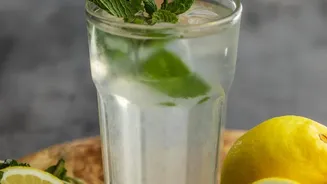
Making your own Nilgiri cold brew couldn't be simpler. You don’t need any special equipment—just a pitcher or a large jar, water, and time. Start with a ratio of about 1 to 1.5 teaspoons of loose-leaf Nilgiri orthodox tea per 8 ounces (1 cup) of cold, filtered water. You can adjust this depending on how strong you like your tea. Combine the tea leaves and water in your container, give it a gentle stir, and cover it. Place it in the refrigerator for 8 to 12 hours, or simply leave it overnight. The next morning, strain the leaves out, and your perfectly smooth, flavorful cold brew is ready to drink. Serve it over ice, with a slice of lemon if you like, but be sure to taste it first—you’ll likely find it needs nothing at all.