




From Traveller to Tourist
The latest data confirms India remains a crucial market for Singapore, with visitor numbers staying strong. In the first half of 2026, over 600,000 Indians visited the city-state, making them one of the top visitor groups and the highest spenders in the first quarter.
This isn't just a story about numbers; it's about a shift in mindset. Repeat visitors and a new generation of travellers, influenced by social media and a desire for authenticity, are no longer content with just the highlights. They are looking to peel back the layers of the city. This evolution is prompting a move away from whirlwind package tours towards deeper, more immersive itineraries. The Singapore Tourism Board has noted this trend, aiming to keep the destination “fresh, accessible and compelling” to drive quality, long-term travel.
A Culinary Awakening
Food has always been a major draw, but the focus is changing. While the comfort of finding quality Indian cuisine remains a plus, travellers are now embarking on ambitious culinary journeys. They are venturing into the heart of Singapore's food scene: the bustling hawker centres. Here, they are exploring a melting pot of flavours, from Hainanese chicken rice to spicy laksa and savoury char kway teow. Specialised food tours are also gaining popularity, offering guided walks through neighbourhoods like Joo Chiat to sample Peranakan delicacies or exploring the vibrant food stalls of Geylang. This is a move from simply eating to experiencing the culture of Singapore through its palate, one dish at a time.
Exploring Life in the Neighbourhoods
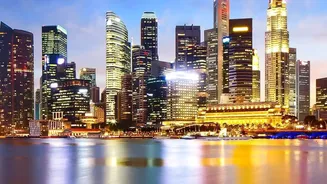
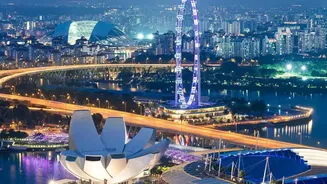
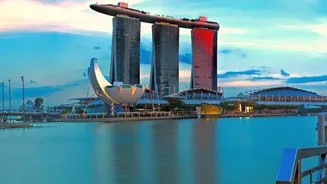
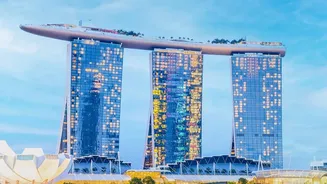
The main tourist hubs of Marina Bay and Orchard Road are making way for the quiet charm of Singapore’s residential neighbourhoods. Travellers are now discovering the art deco-inspired architecture and trendy cafes of Tiong Bahru, a favourite spot among locals. Others are drawn to the colourful heritage of Kampong Glam, with its indie boutiques and Middle Eastern eateries, or the historic streets of Chinatown. In these areas, the experience is less about grand attractions and more about stumbling upon a unique mural, browsing a local bookshop, or simply sipping coffee while watching the world go by. This kind of exploration offers a more genuine glimpse into the daily life and soul of the city.
Family Fun, Redefined
Family travel remains central for the Indian market, but even this is being redefined. While attractions like Universal Studios and the Singapore Zoo are perennial favourites, families are increasingly seeking shared activities that are more interactive and personal. This could mean booking a private cooking class to learn local recipes, participating in an art jamming session, or exploring nature reserves like the Sungei Buloh Wetland Reserve. These experiences focus on creating memories together rather than just passively consuming entertainment. It reflects a broader trend where travel is seen as an opportunity for family bonding and learning.
The Rise of Niche and Interest-Based Travel
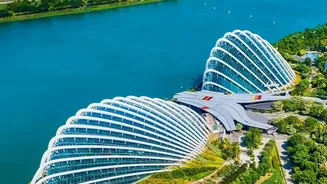
As travellers become more experienced, their interests are becoming more specific. This has given rise to niche tourism. Some visitors are now planning trips around architectural photography tours, seeking out both colonial-era buildings and modern marvels. Others are interested in sustainable travel, looking for eco-friendly hotels and experiences that have a positive impact. Wellness is another growing area, with visitors seeking out serene retreats and spas away from the city buzz. Travel providers are responding to this shift, with some now offering customised itineraries built around these specific interests, ensuring a trip that is truly personal.