


Why Rolling Works Wonders
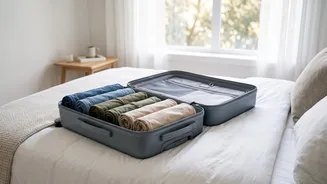
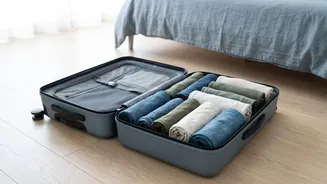
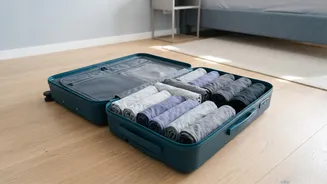
The great packing debate often pits rolling against traditional folding. While both have their merits, rolling is a traveller's secret weapon for maximizing space. Tightly rolling clothes compresses the fabric and expels trapped air, creating dense, compact
cylinders. These small bundles can then be fitted into your suitcase like a game of Tetris, filling every nook and cranny and leaving fewer empty gaps than stacked, folded items. This method is especially effective for lightweight and casual clothing like t-shirts, jeans, and knitwear. The result is often a bag that holds significantly more while remaining organised and easy to navigate—no more digging through layers to find one specific shirt.
A Step-by-Step Guide to the Perfect Roll
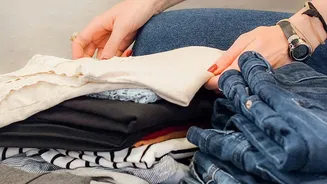
Executing a good roll is key to reaping its benefits. Rushing the process can lead to wrinkles, defeating one of the main purposes. For a t-shirt or casual top, lay it on a flat surface and smooth out any wrinkles. Fold the sleeves inward. Then, starting from the bottom hem, roll the garment as tightly and neatly as possible all the way to the collar. For trousers or jeans, lay them flat, place one leg on top of the other, and smooth them out. You can then fold them in half lengthwise before starting a tight roll from the cuff up to the waistband. A popular advanced technique involves creating a small 'cuff' at one end before you start rolling, which can then be folded over the finished roll to keep it securely bundled.
Rolling vs. Folding: A Hybrid Approach
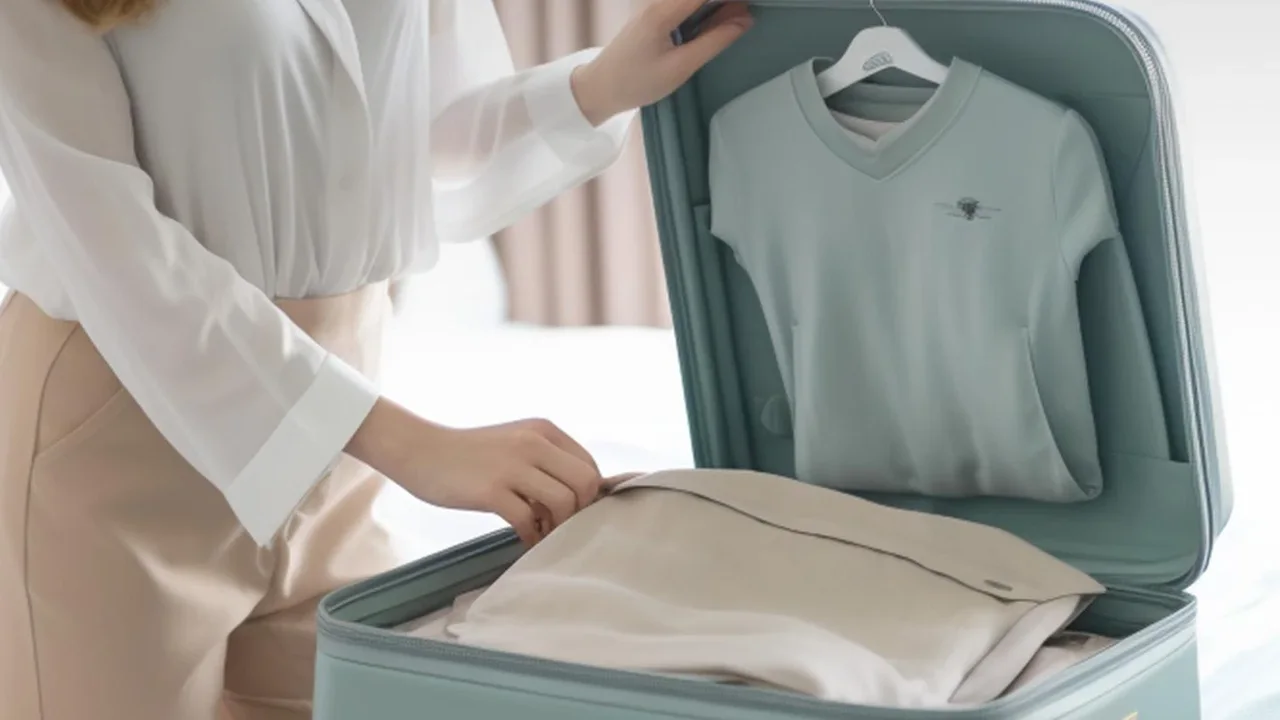
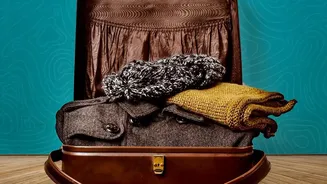
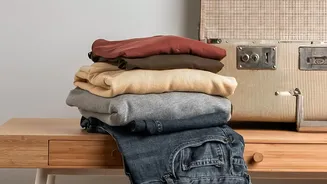
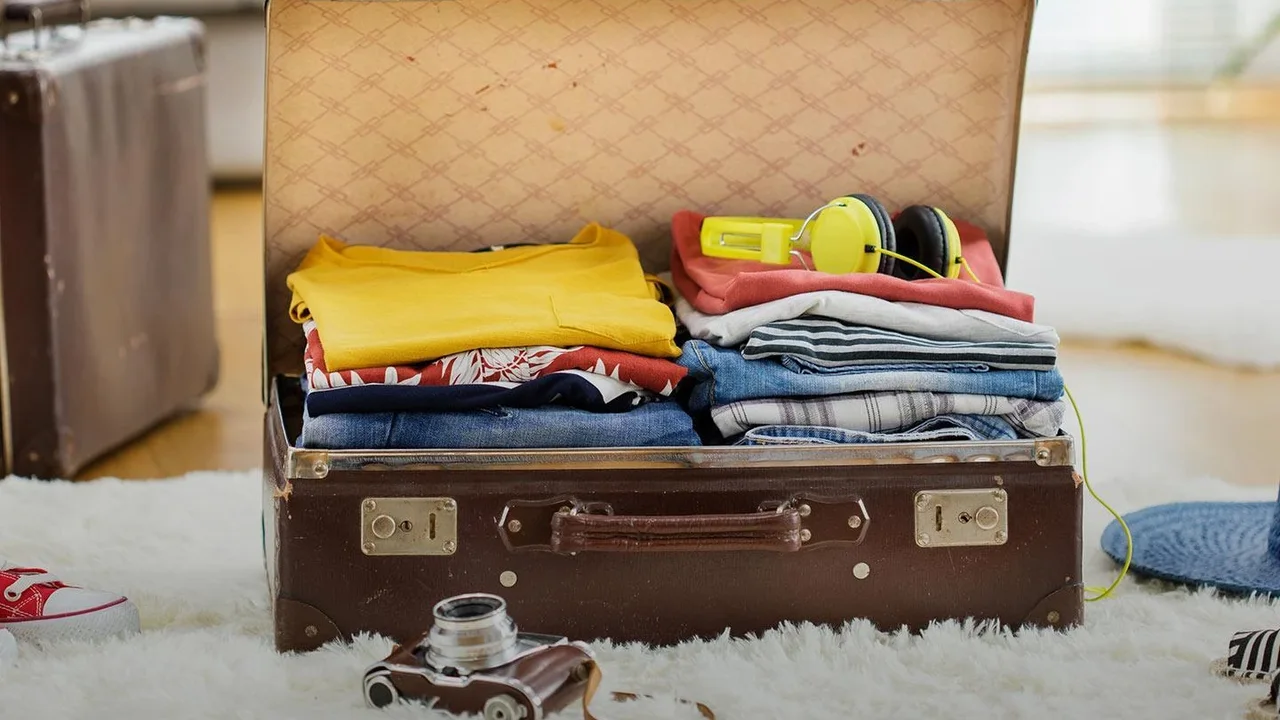
While rolling is a space-saving champion, it's not a universal solution for every item in your wardrobe. The best packing strategy is often a hybrid one. Bulky items like heavy sweaters or jackets can sometimes take up more space when rolled compared to being folded flat. Likewise, structured garments such as blazers, formal trousers, or collared dress shirts often fare better with careful folding to maintain their shape and avoid unwanted creases. Think of it this way: roll your soft, casual, and wrinkle-resistant items to create the foundation of your packed bag. Then, lay the more delicate or structured folded items on top. This combination gives you the space-saving benefits of rolling and the structure-preserving advantages of folding.
Does Rolling Actually Prevent Wrinkles?
One of the most touted benefits of rolling is wrinkle prevention. The logic is that rolling avoids the hard, set creases that can form when a garment is folded. Instead, the fabric is held in a consistent curve. This works very well for casual items made from cotton, synthetics, and knits. By smoothing out the garment before you begin and rolling it tightly, you can significantly reduce the chances of it arriving as a crumpled mess. However, rolling isn't a magic eraser; it won't remove pre-existing wrinkles. For fabrics prone to wrinkling, like linen, a looser roll is often recommended. Ultimately, careful rolling is a powerful tool for keeping most of your vacation wardrobe looking fresh and ready to wear straight from the suitcase.
Packing Your Four-Day Carry-On
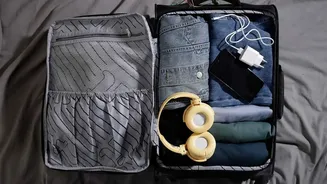
So, how does this apply to your four-day getaway? Imagine a carry-on packed with rolled items. Four t-shirts, a pair of jeans, a pair of shorts, and all your socks and underwear form a compact base layer. A rolled lightweight jumper and a dress can slot in neatly beside them. This efficiency leaves you with surprising extra room. You now have space for a folded button-down shirt, a pair of nice shoes, your toiletries, and any tech you need to bring. By using a combination of rolling and folding, a carry-on bag is more than sufficient for a four-day trip, helping you avoid checked bag fees and the wait at the baggage carousel. It's a smarter, more streamlined way to travel.