




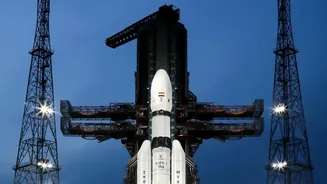
ISRO's New Role: From Doer to Enabler
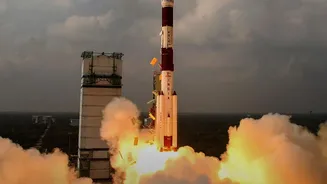
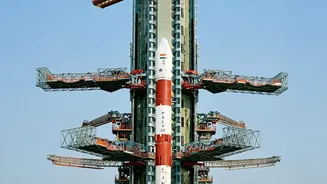
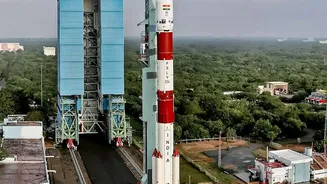
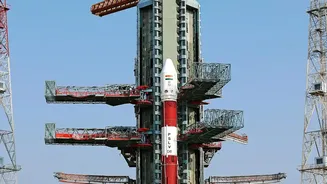
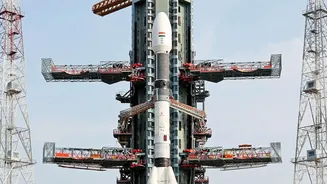
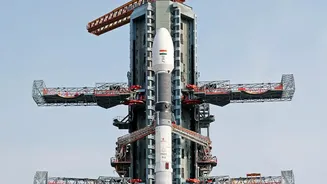
For decades, the Indian Space Research Organisation (ISRO) did it all: designing, building, and launching rockets and satellites. This model secured India’s place as a major space power. But a monumental shift is underway. Recognising the need for faster
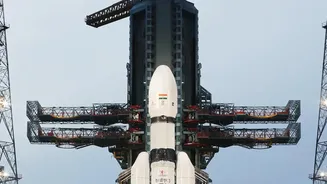
commercial growth, the government has redefined ISRO's mission. Instead of handling routine operations, ISRO is now transitioning to focus on advanced research and development, deep-space exploration like missions to Venus, and national strategic projects like the Gaganyaan human spaceflight programme. This change allows ISRO to act as a mentor and enabler, transferring decades of expertise and technology to a new generation of entrepreneurs.
The Policy That Unlocked the Stars
The catalyst for this transformation is the Indian Space Policy 2023. Before this, private companies were mostly limited to being vendors for ISRO, not independent operators. The new policy explicitly allows Non-Governmental Entities (NGEs) to undertake end-to-end space activities. This means private firms can now legally build and launch their own rockets, own and operate satellites, and sell their data and services directly. To oversee this new landscape, the government established IN-SPACe (Indian National Space Promotion and Authorisation Centre) as a single-window agency to authorise and regulate private space activities, ensuring they get fair access to ISRO's facilities. This has dramatically reduced regulatory hurdles and created a predictable framework for business.
Meet the New Space Pioneers
This new-found freedom has led to a boom, with over 400 space startups now active in India. Companies like Skyroot Aerospace and Agnikul Cosmos are at the forefront, developing their own launch vehicles. Skyroot made history as the first Indian private company to launch a rocket, validating their technology and paving the way for commercial satellite deployment. Agnikul has distinguished itself by 3D-printing rocket engines and building its own launchpad within ISRO's campus. Others are focused on different parts of the value chain. Pixxel is building a constellation of hyperspectral imaging satellites to provide high-resolution earth observation data, while Bellatrix Aerospace is successfully exporting its advanced satellite propulsion systems to global clients. These companies are not just building hardware; they are creating an integrated commercial space ecosystem.
Beyond Launch: The Billion-Dollar Data Market
While rockets grab headlines, much of the long-term value in the space economy lies in downstream applications. The data collected by satellites has immense potential for sectors across the Indian economy. Satellite imagery and services are crucial for modern agriculture, urban planning, disaster management, climate monitoring, and national security. For instance, high-resolution satellite data can help farmers monitor crop health or authorities manage relief efforts after a natural disaster. The demand for satellite-based communication, especially for connecting remote areas, is also a massive driver of growth. Experts predict that these data-driven services, not just launches, will generate the majority of future revenues in India’s growing space economy.
Challenges on the Final Frontier
The path to a thriving commercial space sector is not without its hurdles. Space ventures are notoriously capital-intensive, with long gestation periods before they can generate revenue, which can make it difficult to attract patient investment. While policy has opened doors, startups still face challenges in accessing specialised testing facilities, which remain largely under government control. Furthermore, Indian companies must compete on a global stage against established giants like SpaceX, which have a significant head start in launch frequency and technology. Building a self-sufficient supply chain for high-tech components and attracting top-tier talent are also critical challenges that the industry must overcome to achieve its ambitious goals.