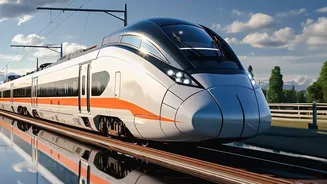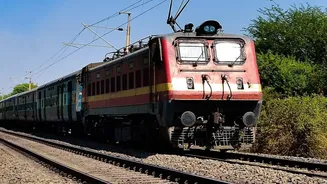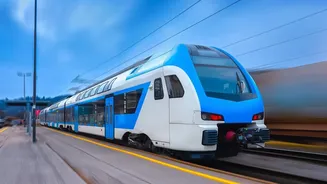




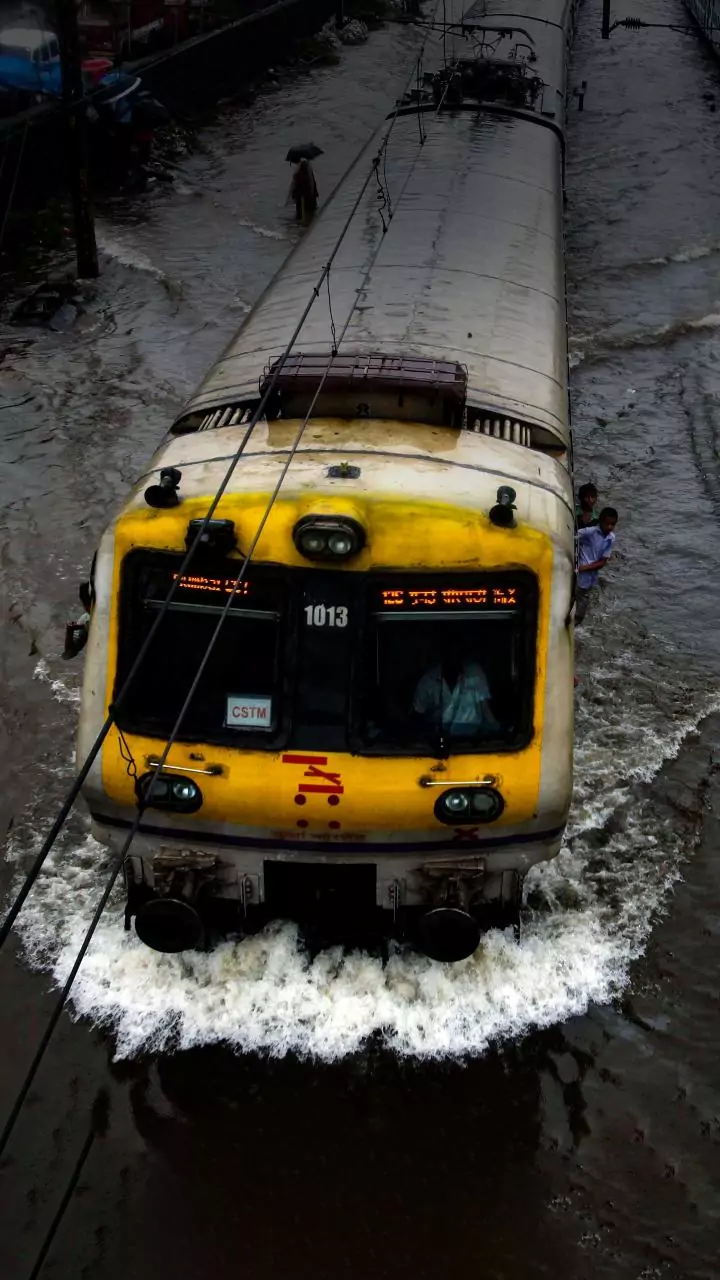
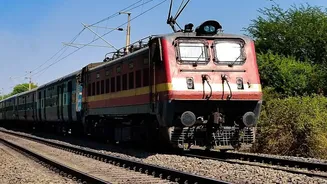


What is a Hydrogen Train?
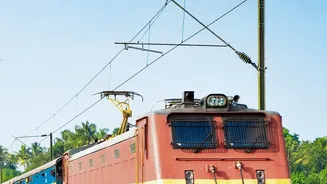
At its core, a hydrogen train is an electric train that produces its own electricity. Instead of drawing power from overhead cables, it uses on-board hydrogen fuel cells. These cells trigger a chemical reaction between stored hydrogen and oxygen from the
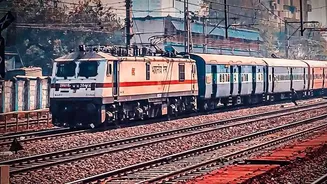
air. This process generates electricity to power the motors, with the only byproduct being pure water vapour and some heat. This makes them a ‘zero-emission’ solution at the point of use, offering a clean alternative to the familiar diesel locomotives that have long chugged across India's vast network.
India's First Hydrogen Train Takes to the Tracks
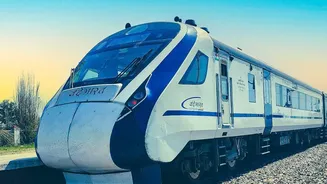
India's journey into this futuristic technology is already underway. After successful trials, the nation's first hydrogen-powered train began operating on the 89-kilometre Jind-Sonipat route in Haryana in July 2026. Developed indigenously, this 10-coach train was created by retrofitting an existing Diesel Electric Multiple Unit (DEMU) rake, a project handled by the Integral Coach Factory (ICF) in Chennai with partners like Medha Servo Drives integrating the advanced fuel cell system. The train has undergone extensive testing for speed, safety, and performance, including trials at 120 kmph, and is cleared for regular operations.
The 'Hydrogen for Heritage' Initiative
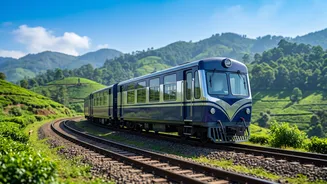
The initial focus for these green trains is on some of the nation's most scenic and ecologically sensitive routes. Under a plan called 'Hydrogen for Heritage', Indian Railways aims to run 35 hydrogen trains across eight iconic heritage lines. These include famous narrow and metre-gauge tracks like the Kalka-Shimla Railway, Darjeeling Himalayan Railway, and Nilgiri Mountain Railway. The goal is to preserve the charm of these historic routes while eliminating diesel pollution, offering tourists a cleaner, quieter, and more sustainable way to experience India's natural beauty.
The Road Ahead: Challenges and Hurdles
While the promise is immense, the path to widespread adoption is filled with challenges. The primary hurdle is the high initial cost. Each hydrogen train is estimated to cost around ₹80 crore, with an additional ₹70 crore needed for ground infrastructure per route. Another significant challenge is building the necessary ecosystem for hydrogen, from production and storage to refuelling stations. For the technology to be truly eco-friendly, the hydrogen must be 'green'—produced using renewable energy—which is currently more expensive than hydrogen derived from fossil fuels. Safety is also a critical concern, as hydrogen is highly flammable and requires robust handling protocols and infrastructure.
Why Not Just Electrify Everything?
With Indian Railways having electrified over 99% of its broad-gauge network, a fair question is: why invest in hydrogen? The answer lies in specific use cases where electrification isn't practical or economical. This includes the difficult terrains of heritage routes and shunting locomotives in yards. Globally, hydrogen trains are seen as a direct replacement for diesel engines on non-electrified or hard-to-electrify lines. For India, developing this technology also represents a strategic leap, fostering indigenous manufacturing capabilities and positioning the nation as a leader in green transport technology, in line with its goal of achieving Net Zero carbon emissions by 2070.