



The Colour of the Monsoon
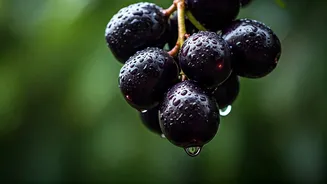
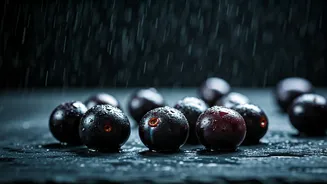
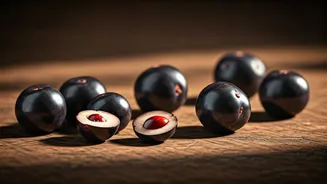
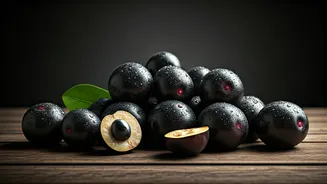
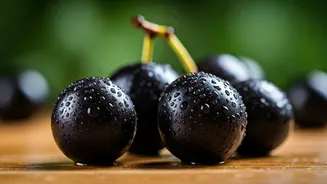
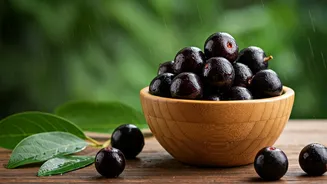
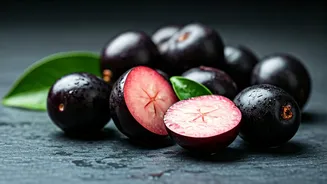
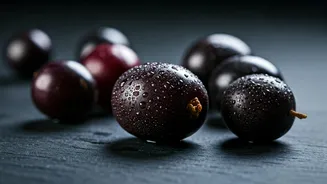
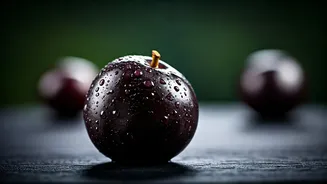
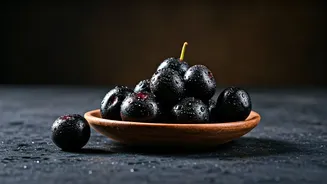
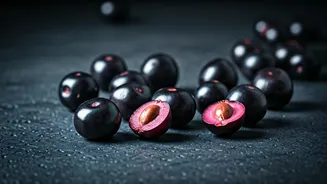
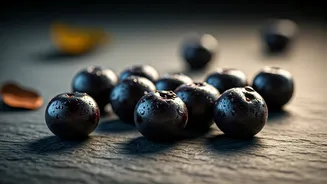
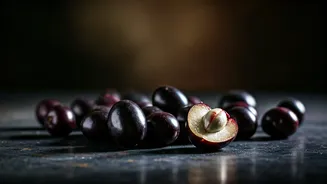
Long before weather apps could predict the first showers, nature had its own harbinger. As the summer heat begins to wane, the arrival of small, oblong, deep-purple fruits in roadside carts and sabzi mandis is the most delicious forecast there is. Jamun,
also known as black plum or Java plum, is inextricably linked to the Indian monsoon. Its colour mirrors the dark, heavy clouds, and its sharp, astringent-yet-sweet flavour seems to cut through the humidity, offering a burst of refreshment that no other fruit can quite replicate. Eating a handful of jamun is a sensory experience. It starts with the tartness that makes you pucker your lips, followed by a wave of sweetness. The finale, of course, is the tell-tale purple stain left on your tongue and fingers—a proud badge of seasonal indulgence that no one is in a hurry to wash away. This isn't just a fruit; it's a ritual.
A Seasonal Powerhouse
Beyond the nostalgia and flavour, jamun is a nutritional heavyweight, perfectly designed by nature for the season. Traditionally valued in Ayurveda, this humble fruit is packed with goodness. It's a low-calorie fruit loaded with vitamin C and iron, which are known to help boost immunity—a welcome benefit during a season notorious for colds and infections. Its high water content helps with hydration, while its astringent properties have been traditionally associated with improving skin health. Perhaps its most famous attribute is its purported effect on blood sugar levels. Both the fruit and, notably, its seed are believed to contain compounds that can aid in managing diabetes. The fruit's low glycemic index makes it a safer choice for many, and dried jamun seed powder has been a staple in traditional medicine for this very purpose for generations. It’s nature’s way of providing a treat that is both delicious and functional.
A Taste of Childhood
For countless Indians, the taste of jamun is the taste of childhood memories. It's the memory of pooling pocket money with friends to buy a paper cone of fruit, sprinkled with a pinch of black salt that perfectly balanced its tartness. It’s the memory of climbing a grandparent’s jamun tree, or the playful competition to see who could get the most purple tongue. These experiences are woven into the cultural fabric of the monsoon. The fruit's brief appearance, for just a few weeks a year, makes it all the more special. Unlike apples or bananas which are available year-round, jamun’s scarcity gives it an air of celebration. Its arrival signals a shift in the season, a time for comfort, for chai and pakoras, and for the simple joy of devouring a fruit that tastes exactly like the rain-soaked earth feels.
Beyond the Fruit Bowl
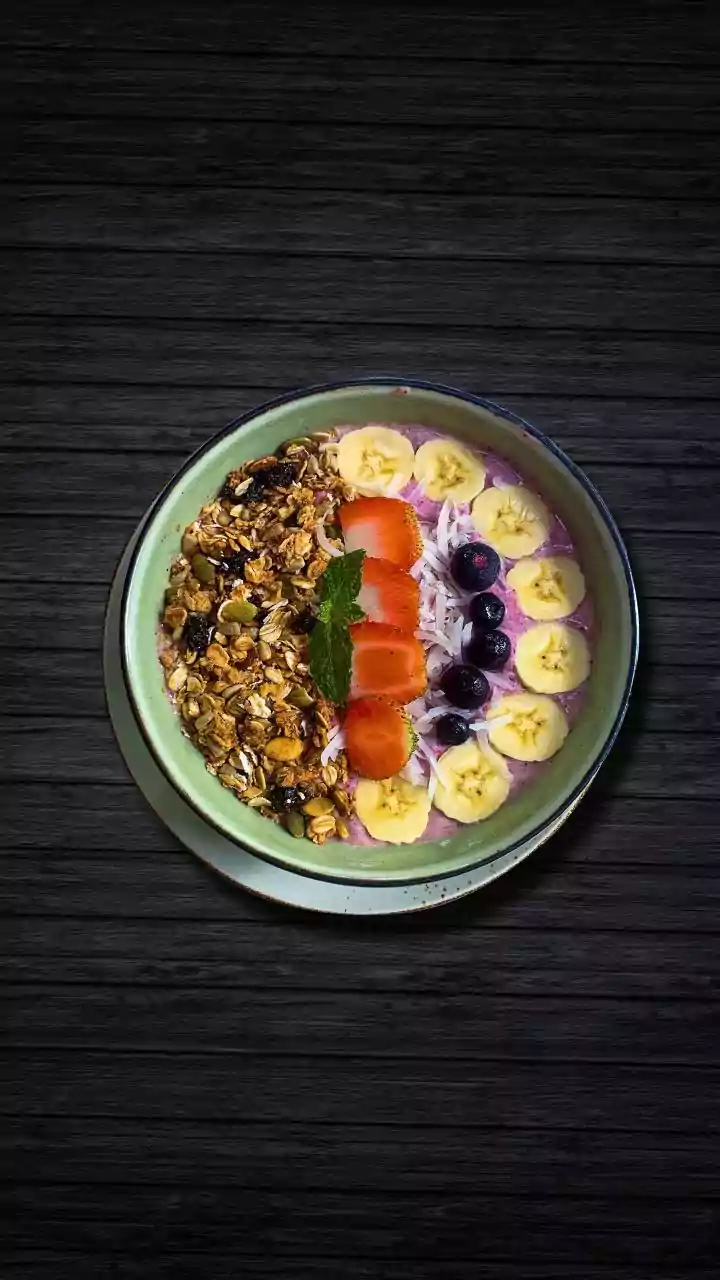
While eating jamun straight from a paper bag is an experience in itself, its unique flavour lends itself beautifully to a variety of culinary experiments. The most classic preparation is the ‘kala khatta’ gola or sharbat, where the pulp is cooked down into a tangy, sweet syrup that is the essence of monsoon street food. For a modern twist, de-seeded jamuns can be tossed into a fresh salad with feta cheese and a light vinaigrette, creating a beautiful contrast of colour, texture, and taste. You can also blend the pulp into a smoothie or a cooling raita for a vibrant and healthy meal. A simple jamun-infused water, made by just letting a few fruits sit in your water bottle, offers a subtle flavour and a host of antioxidants. These simple uses allow the fruit's unique personality to shine through, extending its short season just a little bit longer in our kitchens.