






The Chemical Cocktail in Our Water
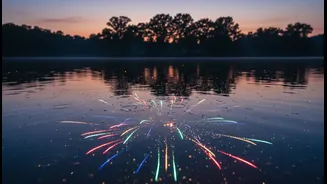
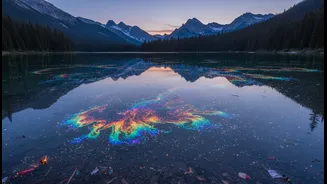
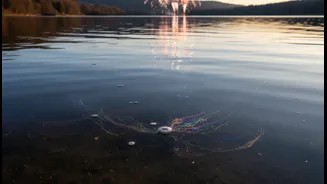
Once the show is over, gravity takes hold. The chemical compounds that create the vibrant colours and loud bangs don't just vanish; they fall back to earth. A significant concern is perchlorate, a chemical used as an oxidiser to help fireworks burn. This
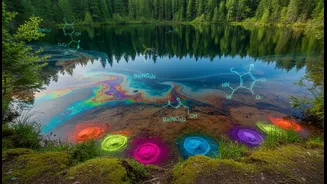
substance is highly soluble in water, meaning rain and runoff can easily carry it from city streets and fields into nearby lakes, rivers, and streams. Studies, including research in Kerala, have confirmed that perchlorate from fireworks can contaminate both surface and groundwater. This poses a risk to aquatic ecosystems, as the chemical can interfere with the development and reproduction of fish. Beyond perchlorate, other residues like metal salts and organic compounds also wash into water bodies, altering water chemistry and potentially disrupting the microbial communities that form the base of the aquatic food web.
Heavy Metals Contaminating the Soil
The brilliant reds, greens, and blues of fireworks are produced by burning various metal compounds: strontium for red, barium for green, and copper for blue. These heavy metals, along with others like lead and arsenic from historical manufacturing, don't break down. Instead, they settle out of the air and accumulate in the soil. This contamination alters the soil's chemical composition and can harm the delicate balance of microbial life essential for healthy plant growth. Over time, these metals can be absorbed by plants, potentially stunting their growth or leading to bioaccumulation, where the toxic substances move up the food chain. The ground beneath a major fireworks display can become a long-term reservoir for these pollutants, impacting local flora and the animals that depend on it for years to come.
A Trail of Plastic Debris
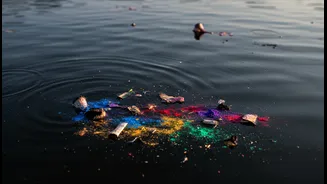
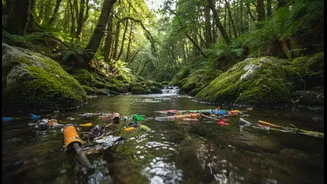
Often overlooked in the discussion of firework pollution is the physical waste left behind. Many modern fireworks, from small rockets to large multi-shot 'cakes', contain plastic components, including casings, caps, and internal structures. When these fireworks explode, this plastic is scattered across a wide area, littering parks, beaches, and neighbourhoods. This debris is more than just an eyesore. Over time, it breaks down into smaller and smaller pieces, becoming microplastics. These tiny plastic particles can be ingested by wildlife, causing choking or internal injury, and can contaminate soil and water systems for hundreds of years. The cleanup of this plastic waste is challenging and costly, and much of it is inevitably missed, adding to the ever-growing problem of global plastic pollution.
An Unseen Toll on Wildlife
For animals, the impact of fireworks is immediate and terrifying. The sudden, loud explosions, which can exceed 130 decibels, cause extreme stress and panic. Birds may abandon their nests en masse, sometimes flying so far in confusion that they cannot find their way back, leaving their young vulnerable. Wildlife rehabilitation centres often report an increase in injured and orphaned animals following holidays with major firework displays. Small mammals may flee into roadways, leading to an increase in vehicle collisions. The intense flashes of light are also disorienting. Beyond the initial panic, the chemical and plastic debris presents another danger, as animals can mistake the litter for food, leading to poisoning or choking.