



Why Breakfast Matters So Much
Breakfast is the meal that breaks your overnight fast. What you eat in the morning has a significant impact on your blood glucose for the rest of the day. A meal high in refined carbohydrates and sugar can cause a sharp spike in blood sugar, followed
by a rapid crash. This crash often leads to feelings of hunger, irritability, and fatigue just a few hours later. Research shows that a well-balanced breakfast can not only prevent this but may even help moderate blood sugar spikes after lunch and dinner, an effect known as the 'second meal phenomenon'. The goal is to choose foods that provide sustained energy, keeping you full and focused.
The Power Trio: Protein, Fibre, and Fat
The secret to a blood-sugar-friendly breakfast isn't about eliminating carbohydrates, but about balancing them. The key is to pair them with protein, fibre, and healthy fats. Protein and fibre work to slow down digestion and the absorption of sugar into the bloodstream. This leads to a more gradual rise in blood glucose instead of a sharp peak. Healthy fats also contribute to feeling full and satisfied. Building your breakfast around this 'power trio' is the most effective strategy for steady energy. Aim for whole, minimally processed foods to maximise these benefits.
Embrace the Savoury Start
Many traditional breakfast foods, like sugary cereals, pastries, and white toast with jam, are high in refined carbs and can send blood sugar soaring. Shifting towards a savoury breakfast is one of the easiest ways to incorporate more protein and healthy fats. Eggs are a fantastic option, as they are high in protein, versatile, and contain almost no carbs. You can scramble them with spinach, make a vegetable omelette, or simply boil them for a quick option. Another great idea is a besan or moong dal chilla, a savoury pancake made from gram or lentil flour, which is naturally rich in protein and fibre. You can add grated vegetables for an extra nutrient boost.
Reinventing Porridge and Yoghurt
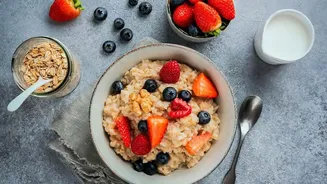
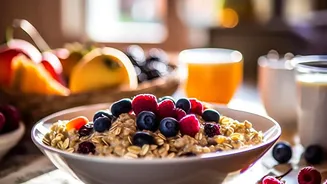
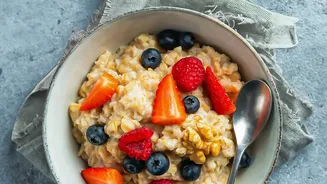
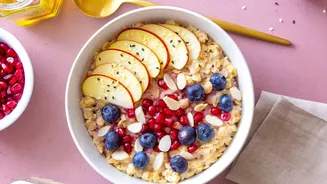
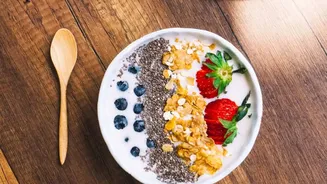
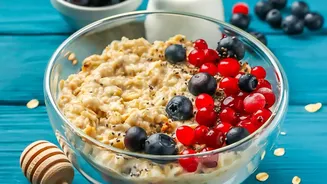
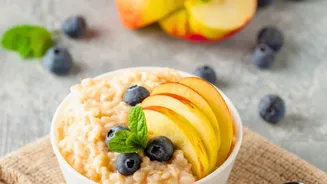
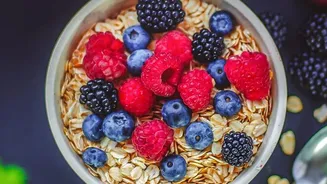
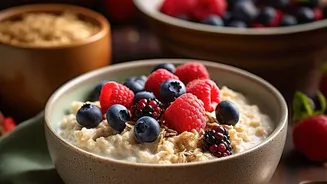
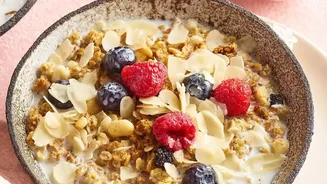
If you prefer a sweeter start, you don't have to miss out. The key is to make smart choices. For porridge, opt for whole rolled or steel-cut oats instead of instant varieties, which are more processed and can spike blood sugar more quickly. Instead of sugar or honey, add protein and healthy fats like a scoop of nut butter, a handful of walnuts or almonds, and some chia or flax seeds. A sprinkle of cinnamon can also be beneficial. For a yoghurt-based breakfast, choose full-fat, unsweetened Greek yoghurt, which has more protein than regular yoghurt. Top it with low-glycaemic berries, like strawberries or blueberries, and a sprinkle of nuts or seeds for crunch, fibre and healthy fats.
Quick and Easy Indian-Inspired Options
Many Indian breakfast staples can be easily adapted for better blood sugar balance. Instead of plain poha, try adding peanuts, vegetables, and pairing it with a side of curd to add protein and fibre. Swapping white rice idlis for those made from ragi or other millets increases the fibre content; pairing them with protein-rich sambar makes for a more balanced meal. You can also consider paneer bhurji (scrambled cottage cheese) with a slice of whole-grain toast or a whole-wheat roti. These options are not only filling and delicious but also provide the sustained energy needed to power through your morning.
Foods to Limit in the Morning
To keep your blood sugar steady, it's wise to limit or avoid certain foods at breakfast. These include fruit juices, which are high in sugar but lack the fibre of whole fruit, and can cause a rapid glucose spike. Highly processed breakfast cereals, granolas, and sweetened yoghurts are often packed with hidden sugars. Refined carbohydrates like white bread, pastries, and muffins should be considered occasional treats rather than daily staples. Always read labels, as many products marketed as 'healthy' can contain significant amounts of added sugar.