





Foundation First: Potting and Soil
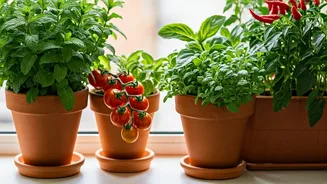
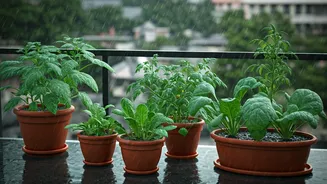
Success in container gardening, especially during the monsoon, begins with the right foundation. Your biggest challenge will be preventing waterlogging, which can rot roots. Choose pots with plenty of drainage holes. Terracotta pots are excellent as they
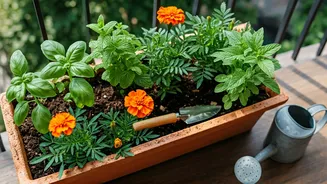
are porous and allow soil to breathe. For your potting mix, avoid using heavy garden soil alone. A perfect mix is one part soil, one part coco peat (for moisture retention without sogginess), and one part compost or vermicompost (for nutrients). Adding a handful of sand or perlite can further improve drainage, ensuring your plant's roots stay healthy even during a downpour.
Leafy Greens: Palak and Amaranth
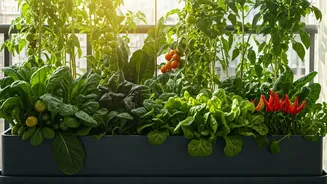
If you want quick results, leafy greens are your best friends. Both spinach (palak) and amaranth (chaulai) thrive in the cool, moist conditions of the monsoon. They have a short growth cycle, meaning you can have your first harvest in just 30-40 days. Use wide, shallow containers or grow bags to give them space. Sow the seeds directly into the soil, about half an inch deep. Keep them in a spot that receives at least 4-5 hours of sunlight. The frequent rains mean you might not have to water them daily, but always check the soil's moisture level before you do. Harvest the outer leaves first to encourage the plant to keep producing.
The Classic Choice: Tomatoes and Chillies
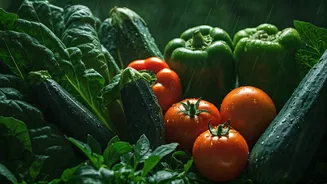
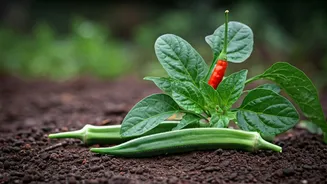
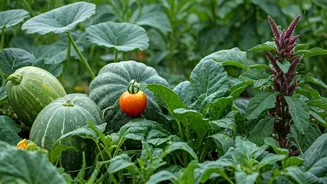
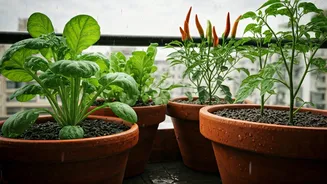
No kitchen garden feels complete without tomatoes and chillies. Both can be grown successfully in pots during the monsoon, provided you give them some support. Opt for determinate (bushy) varieties of tomatoes that are better suited for containers. You’ll need a pot that is at least 10-12 inches deep. As the plant grows, provide a stake or a small trellis for support. For chillies, a slightly smaller pot of 8-10 inches will suffice. The key is to protect them from torrential rain which can damage the flowers and fruit. If possible, move the pots under a covered patio or use a makeshift shield during very heavy spells. These plants love sun, so ensure they get a full day's worth.
Flavour Boosters: Mint and Lemongrass
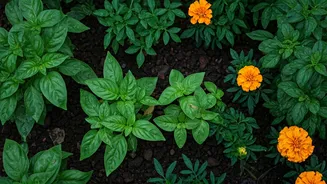
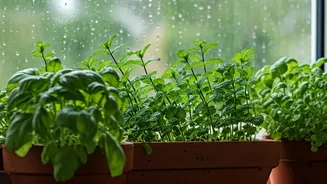
Fresh herbs can elevate any meal, and the monsoon is a great time to grow your own. Mint (pudina) is notoriously easy to grow; it almost thrives on neglect. Plant a cutting in a pot, and it will spread quickly. It loves moist soil, making it a perfect monsoon plant. Lemongrass is another fragrant and useful herb. It can be grown from a stalk purchased at the market. Just place the root end in a glass of water until new roots sprout, then plant it in a deep pot. Both herbs are perfect for brewing a hot cup of chai on a rainy afternoon.
Root Vegetables: Radish and Beetroot
Growing vegetables underground might seem tricky in a pot, but some varieties are perfectly suited for it. Quick-growing radishes (mooli) are a fantastic choice. They can be ready to harvest in under a month. Choose a pot that is at least 6-8 inches deep to allow the root to develop. Beetroot also does well in containers, though it takes a bit longer to mature (around 60-70 days). For beetroot, you'll need a deeper pot, around 10-12 inches. The bonus with beetroot is that you can also harvest and eat the nutritious leaves while you wait for the root to grow.
Essential Monsoon Plant Care
Gardening in the rainy season comes with unique challenges. Firstly, ensure pots are not sitting in trays filled with water. Elevate them on pot stands if necessary. Secondly, the high humidity can attract pests like aphids and mealybugs. Regularly inspect your plants, especially the undersides of leaves. A simple spray of neem oil solution (a few drops of neem oil and liquid soap mixed with water) every 10-15 days can act as a great organic pesticide. Finally, while the skies may be grey, most vegetable plants still need sunlight. Position your pots in the brightest part of your balcony or terrace to ensure they get enough light to photosynthesise and produce fruit.