




The Rise of Slow Travel
Why the sudden pivot to tranquil waters? The answer lies in the growing appeal of ‘slow travel’. Unlike a frantic, checklist-driven holiday, slow travel prioritises connection—with the local culture, with nature, and with oneself. After years of being
cooped up, travellers are seeking more than just a destination; they want an experience. Backwater journeys offer just that. It’s a chance to disconnect from endless notifications and reconnect with the rhythm of nature. The gentle pace of a houseboat, the sight of a kingfisher diving for its meal, and the taste of freshly cooked local food create a sensory experience that busy cities simply cannot match. This isn’t just about escaping crowds; it’s about finding a more meaningful and restorative way to explore our own country.
Kerala: The Quintessential Experience
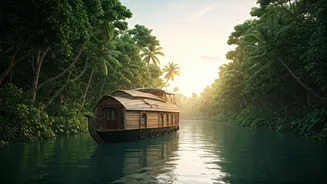
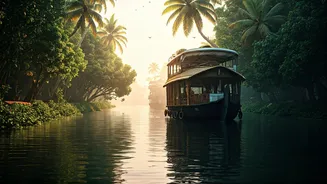
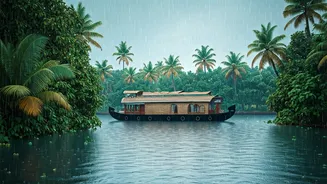
When you think of backwaters, you think of Kerala. The intricate network of lakes, canals, and lagoons running parallel to the Arabian Sea coast forms the heart of Alleppey (Alappuzha) and Kumarakom. A trip here is synonymous with a stay on a 'kettuvallam', a traditional thatched-roof houseboat. As you drift along the palm-fringed waterways, life unfolds at a leisurely pace. You’ll witness villagers going about their day, children waving from the banks, and paddy fields stretching into the horizon. The onboard chef prepares delectable meals using fresh catch and local spices, turning every meal into a feast. It's the perfect introduction to the magic of backwater living, combining comfort with complete immersion in nature.
Assam: A Majestic River Journey
For a grander, more untamed backwater adventure, look to the mighty Brahmaputra in Assam. This isn't about narrow canals; it's about navigating one of the world's most powerful rivers. River cruises here offer a different kind of serenity, marked by vast sandbanks, glimpses of remote villages, and incredible wildlife. A journey on the Brahmaputra can take you to the doorstep of Kaziranga National Park, where you might spot the one-horned rhinoceros from the deck of your boat. The experience is a blend of cultural exploration—visiting Mishing tribal villages and ancient Ahom temples—and a deep dive into a raw, powerful ecosystem. It's a backwater escape for the true adventurer.
Goa: Beyond the Beaches
Goa is famous for its sun-drenched beaches and vibrant nightlife, but a quieter, greener world awaits on its inland waterways. The Chapora and Mandovi rivers, along with the Cumbarjua Canal, offer a serene alternative to the coastal bustle. Kayaking or taking a small boat through the dense mangrove forests reveals a side of Goa many tourists miss. This is a haven for birdwatchers, with chances to spot kingfishers, cormorants, and even eagles. Some tours even focus on spotting the local crocodiles sunning themselves on the muddy banks. Exploring Goa's backwaters is a reminder that even in India's most popular tourist state, pockets of profound peace are just a short boat ride away.
West Bengal: The Wild Sundarbans
If Kerala’s backwaters are poetic and Assam’s are majestic, the Sundarbans in West Bengal are mysterious and thrilling. This is the world's largest mangrove forest, a UNESCO World Heritage Site teeming with life and legend. Navigating the labyrinth of tidal waterways, creeks, and islands is an experience unlike any other. The air is thick with the calls of birds and the hum of insects. While the Royal Bengal Tiger is the star attraction, spotting one is incredibly rare and requires immense luck. The real magic lies in the dense, brooding atmosphere of the forest itself. A boat safari through the Sundarbans is a journey into the heart of a wild, fragile ecosystem, offering a stark and beautiful contrast to a typical vacation.