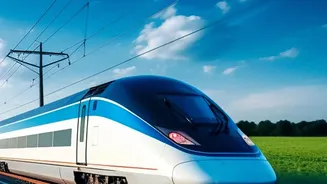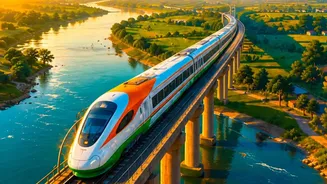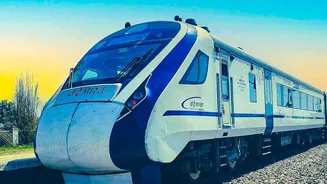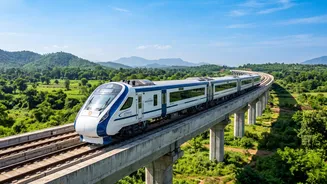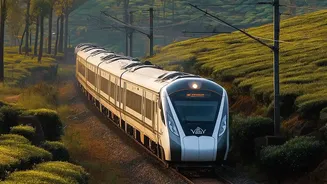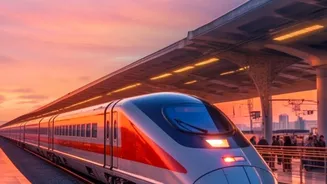

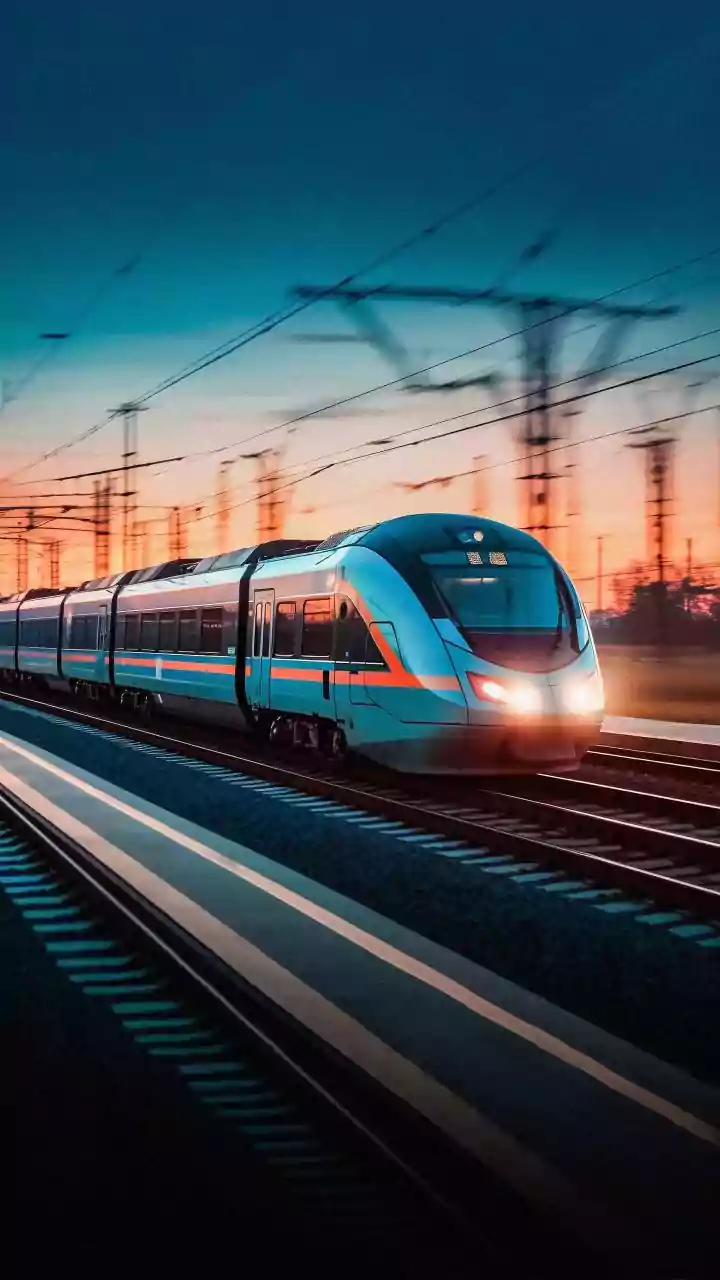
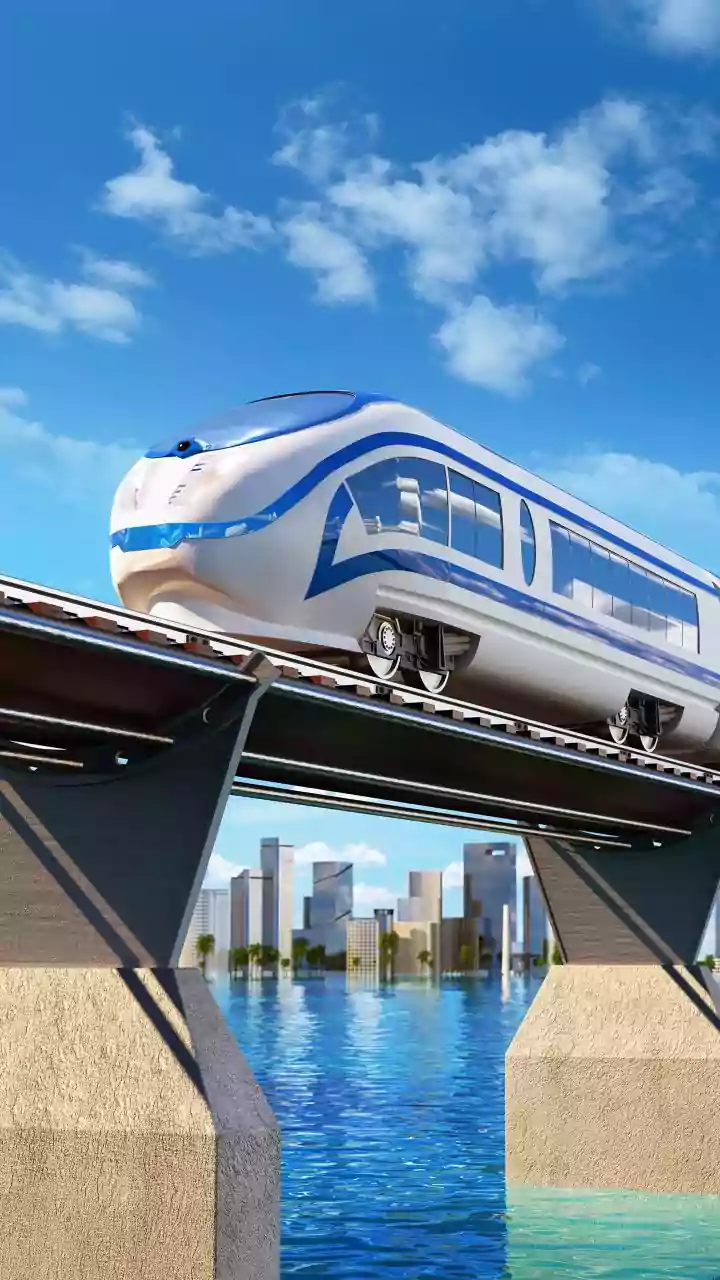
India's long-held dream of a high-speed bullet train is fast approaching reality. The ambitious Mumbai-Ahmedabad corridor will see its first service in late 2027, transforming a vision on paper into a tangible, high-speed reality for passengers.
The First Run: A Milestone for Gujarat
The first
commercial bullet train service in India is slated to launch in the final quarter of 2027. This inaugural run will not cover the entire 508-kilometre Mumbai-Ahmedabad route but will instead focus on an approximately 100-kilometre stretch in Gujarat, connecting the industrial hubs of Surat and Vapi. Railway Minister Ashwini Vaishnaw confirmed this phased approach, which allows for the operationalisation of completed sections while work continues elsewhere. This strategic decision prioritises the Gujarat portion of the project, where construction and land acquisition have progressed more rapidly than in Maharashtra. The choice to start with Surat-Vapi underscores a pragmatic strategy to deliver the first taste of high-speed rail to the public sooner rather than later.
Building the Dream: Progress on the Ground
The project, officially known as the Mumbai-Ahmedabad High-Speed Rail (MAHSR) corridor, is a massive undertaking. Recent milestones highlight the scale of construction. As of late 2026, significant portions of the elevated viaduct are in place, with hundreds of kilometres of pier work and girder launching completed. A key achievement was the successful 'energisation' of the overhead electrical equipment on the 50-kilometre Surat-Bilimora section on November 20, 2026, a critical step for preparing the line for trials. This section, which forms part of the larger Surat-Vapi corridor, is now powered and ready for the next phases of testing. Work is also progressing on all 12 stations, with civil construction finished at the eight stations in Gujarat.
Technology and Speed: A Shinkansen for India
The corridor is being built with Japanese Shinkansen technology, renowned for its safety and punctuality. Trains are designed to operate at speeds of 320 km/h. Once fully operational, the service is expected to slash travel time between Mumbai and Ahmedabad from over eight hours by road to just under two hours. The project also includes significant engineering marvels, including India’s first undersea rail tunnel, a 7-kilometre stretch beneath Thane Creek. While Japanese E10 series trains are part of the long-term plan, initial operations may start with an indigenous B28 trainset, designed for 280 kmph, which is currently under development by ICF and BEML. Track trials for this Indian-made train are expected by mid-2027.
Overcoming Delays and Looking Ahead
The journey to 2027 has not been without challenges. The project, first inaugurated in 2017, faced significant delays due to the pandemic and slower-than-expected land acquisition, particularly in Maharashtra. These hurdles pushed the original completion timelines back. However, with land acquisition now complete across the entire corridor and construction in full swing, the project has gained significant momentum. The focus on a phased launch reflects a revised strategy to deliver results and build public confidence. The 2027 launch on the Surat-Vapi stretch is more than just a train ride; it represents India's entry into the exclusive club of nations with high-speed rail, promising to revolutionise travel and drive economic growth along one of the country's most vital commercial corridors.