



Upfront Costs: GST and Base Price
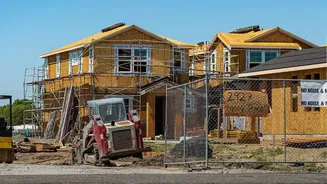
The most significant cost difference lies in the Goods and Services Tax (GST). An under-construction property attracts a 5% GST on its value (or 1% for affordable housing), which is paid by the buyer to the builder. In contrast, a ready-to-move-in property,
including redeveloped or resale flats that have received an occupancy certificate, is exempt from GST. This can translate into substantial savings. For example, on a ₹70 lakh under-construction flat, the GST alone amounts to ₹3.5 lakh. While new projects often have a lower base price to attract early buyers, this GST exemption can make a ready property more cost-effective overall, even if its listed price is higher. Both property types, however, require the buyer to pay stamp duty and registration charges, which are state-levied taxes based on the property's value and are mandatory for legal ownership. These charges typically range from 5-8% of the property value combined.
The Cost of Making It Livable
A new-project home is often a bare shell. This means you will need to budget for everything from modular kitchens and wardrobes to lighting fixtures and paint. These interior and fit-out costs can easily add 10-15% of the property's base price to your total expense. Some developers of new projects offer customisation options during the construction phase, which can provide some control over the final look and cost. A redeveloped or resale property, on the other hand, usually comes with existing fixtures like fans, lights, and often woodwork. While this saves you initial setup costs, the trade-off might be outdated designs or the need for repairs. You might find yourself spending money on renovations to suit your taste, which can also be a significant expense. It's a choice between the guaranteed cost of furnishing a new home versus the potential, but uncertain, cost of renovating an older one.
Ongoing Expenses: Maintenance and Taxes
Every apartment owner must pay regular maintenance charges for the upkeep of common areas and amenities like lifts, security, and cleaning. In new projects with modern facilities like gyms, pools, and clubhouses, these charges are often higher. These fees are typically calculated based on the size of your flat, meaning a larger apartment pays more. Older, redeveloped buildings might have lower maintenance fees due to fewer amenities, but they can also be prone to higher repair costs over time as the infrastructure ages. Additionally, you will have to pay an annual property tax to the local municipal authority regardless of the building's age. While these costs exist for both options, the monthly outflow for maintenance in a new, amenity-rich complex is generally higher from day one.
Hidden Costs and Financial Risks
With new projects, the biggest risk is delay. If the builder does not hand over the property on time, you could be stuck paying both rent and pre-EMIs on your home loan. While RERA offers some protection, delays are still a common issue. For redeveloped properties, the hidden costs often lie in the building's structural health. Issues like persistent leaks, faulty wiring, or plumbing problems may not be apparent during a standard viewing and can lead to expensive repairs down the line. A thorough professional inspection is crucial before buying any older property. Other hidden costs for both types can include preferential location charges (for a better view or floor), parking fees, and various one-time deposits demanded by the builder or society.
Which One Is Right for You?
The choice isn't just financial. A new project offers modern amenities, new construction quality, and the excitement of being the first owner. You get a home designed for a contemporary lifestyle. A redeveloped property often provides the advantage of a prime, established location with well-developed social infrastructure like schools, markets, and parks nearby. You're buying into a familiar neighbourhood, which can be a huge plus. Ultimately, your decision should balance the total financial outlay with your lifestyle priorities. If immediate possession and a GST-free transaction are important, a redeveloped property may be better. If you prefer modern amenities, want to customise your space from scratch, and can afford to wait for possession, a new project might be the right fit.