






The Power of Collective Intelligence
Before you even leave your home or office, your most powerful tool isn't a better car; it's better information. Traditional weather forecasts and news reports offer a broad overview, but they often lag behind the reality on the ground. This is where crowdsourced
data becomes your secret weapon. Crowdsourcing leverages the real-time input of thousands of fellow commuters, drivers, and citizens who are reporting what they see, as they see it. When someone reports a flooded patch on their route, that data point instantly becomes available to others, allowing them to reroute or delay their travel. This collective intelligence creates a dynamic, living map of the city’s traffic and trouble spots, far more accurate and immediate than any single source could provide. It transforms your daily commute from a solo battle against the elements into a collaborative effort to keep the city moving.
Your Digital Co-Pilots
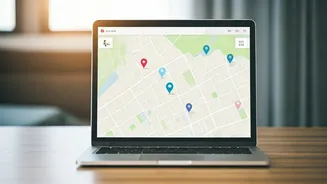
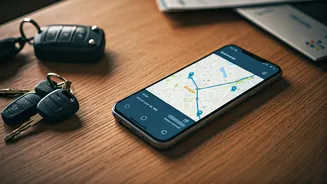
The most accessible way to tap into this data is through apps already on your phone. Google Maps and Waze are the titans in this space. While most of us use them for turn-by-turn navigation, their true power during the monsoon lies in their real-time reporting features. **Google Maps:** Look for the small icons indicating slowdowns (yellow/red lines), accidents, or road closures. More importantly, users can now report hazards directly. When you see an option to 'Add a report,' you can flag waterlogged roads, stalls, and other obstructions. The more people use this, the more accurate it becomes for everyone. **Waze:** This app was built from the ground up on community reporting. Its interface is designed for users to actively report everything from traffic jams and police presence to specific hazards like 'Flood' or 'Pothole'. Waze’s alert system is particularly robust, often giving you a vocal heads-up about a reported flood on your route well before you reach it, giving you precious time to take a detour. Learning to trust and contribute to these alerts is key.
Hyper-Local Social Intelligence
While global apps are great, the most granular and urgent updates often come from hyper-local sources. Social media, when used correctly, can be an invaluable resource. **Twitter (X):** This is the de facto public square for real-time disaster information. Don't just search for generic terms. Create a Twitter List with official accounts of your city’s traffic police, municipal corporation, and reliable local journalists. Also, follow key hashtags like #MumbaiRains, #BangaloreTraffic, or #DelhiFloods. These feeds become a firehose of on-the-ground photos, videos, and warnings from people stuck in the chaos, giving you a true picture of which underpass is flooded or which arterial road is at a standstill. **WhatsApp and Telegram:** Be cautious, but look for verified community groups. Many residential welfare associations (RWAs) and citizen-led traffic groups run channels where members share instant updates about their immediate locality. These are goldmines for knowing if the lane right outside your building is passable.
Become Part of the Solution
Using this data is only half the equation. To make the system work, you must also be a contributor. Being an active participant doesn’t just help others; it reinforces the data that you yourself will rely on later. If you are a passenger or have safely pulled over, take a few seconds to report a waterlogged street on Waze or Google Maps. A quick, safe tap on the screen can save dozens of other commuters from getting stuck. This simple act of digital citizenship strengthens the entire network. Remember the golden rule: report what you see, so others can avoid it. The more we all contribute, the more reliable and powerful these tools become.
Analogue Wisdom for a Digital Age
Technology is a powerful ally, but it shouldn't replace common sense and basic preparedness. Before the season truly kicks in, get your vehicle checked—especially tyres, brakes, and wipers. Keep a car charger or a fully juiced power bank in your bag; your phone is useless if the battery is dead. Pack a small emergency kit with a torch, some dry snacks, and water. And finally, learn to read the signs. If multiple sources are reporting severe waterlogging on your intended route and the sky is still dark, the smartest decision might be to stay put. Sometimes, the only way to beat the traffic rush is to not be in it at all.