






In a significant vote of confidence for India's economy, the International Monetary Fund (IMF) has raised its growth forecast for the 2026-27 fiscal year to a robust 7%. This upgrade highlights the nation's economic resilience, powered by its own internal
strength.
A Notable Upgrade Amid Global Caution
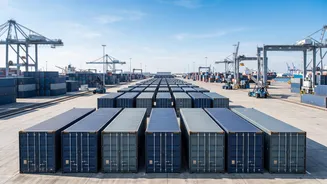
The IMF's latest World Economic Outlook, released in October 2026, revised India's growth projection for the fiscal year ending March 2027 upwards to 7% from its earlier estimate of 6.4%. This 60-basis-point increase is a substantial endorsement, especially when many other economies are facing a weaker outlook. The IMF also lifted its forecast for the following year, FY28, to 7%, signalling confidence in sustained momentum. This upgrade aligns the IMF with other major institutions like the World Bank and the Reserve Bank of India, which have also projected strong growth for the nation, with most estimates converging around the 7% mark. The fund explicitly stated that India 'stands out with upward revisions', making it one of the fastest-growing major economies in the world.
The Engine: What is 'Domestic Demand'?
The primary reason cited for this optimism is 'stronger domestic demand'. In simple terms, this refers to the total spending on goods and services by individuals, businesses, and the government within India. This internal economic engine is firing on multiple cylinders. Key drivers include resilient consumer spending, robust activity in the crucial services sector, and a significant push in government-led infrastructure investment. Indicators such as increased electricity and fuel consumption, healthy automobile sales, strong bank credit growth, and rising Goods and Services Tax (GST) collections all point towards this vibrant domestic activity. This self-reliance means India's economy is less dependent on the fluctuating fortunes of the global market, providing a crucial buffer against international slowdowns.
Favourable Conditions and Structural Reforms
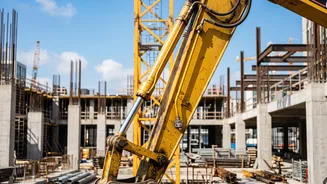
Beyond immediate spending, the IMF pointed to several underlying strengths supporting India's growth potential. These include favourable demographic dynamics—a young and large workforce—and a massive, expanding domestic market. Furthermore, the report acknowledges that continued structural reforms are bearing fruit, making the economy more efficient and attractive for investment. Public investment in infrastructure, set to reach a record US$133 billion in FY27, is a cornerstone of this strategy, covering essential sectors like transport and energy. This government spending is expected to increasingly 'crowd in' or attract private capital, creating a more sustainable, long-term investment cycle. Healthy corporate profitability and improving public finances further solidify the nation's macroeconomic fundamentals.
Navigating the Headwinds
Despite the positive forecast, the journey is not without potential challenges. The IMF and other analysts remain watchful of several risks. Persistently high global oil prices are a key concern for an energy-importing nation like India. The report noted that while India has remained resilient to fuel price shocks so far, it remains a variable. Other potential headwinds include geopolitical tensions that could disrupt global trade and supply chains. On the domestic front, the risk of a harsh 'Super El Nino' weather event could lead to lower crop yields and higher food inflation, which would impact household purchasing power, though these risks have not yet materialised. Therefore, maintaining this growth trajectory will depend on skilfully navigating these external and internal pressures.