


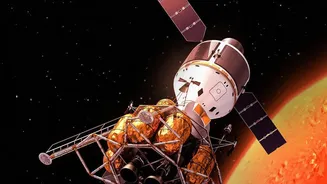

India’s Next Great Interplanetary Leap
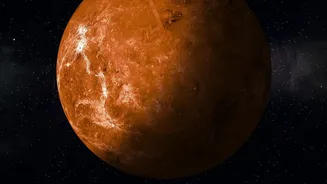
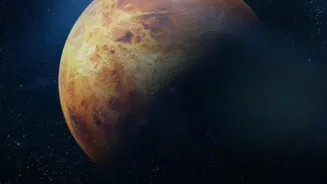
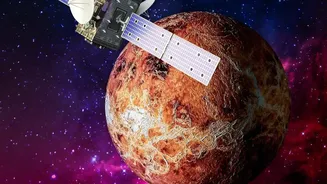
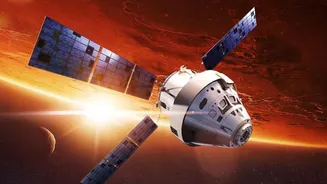
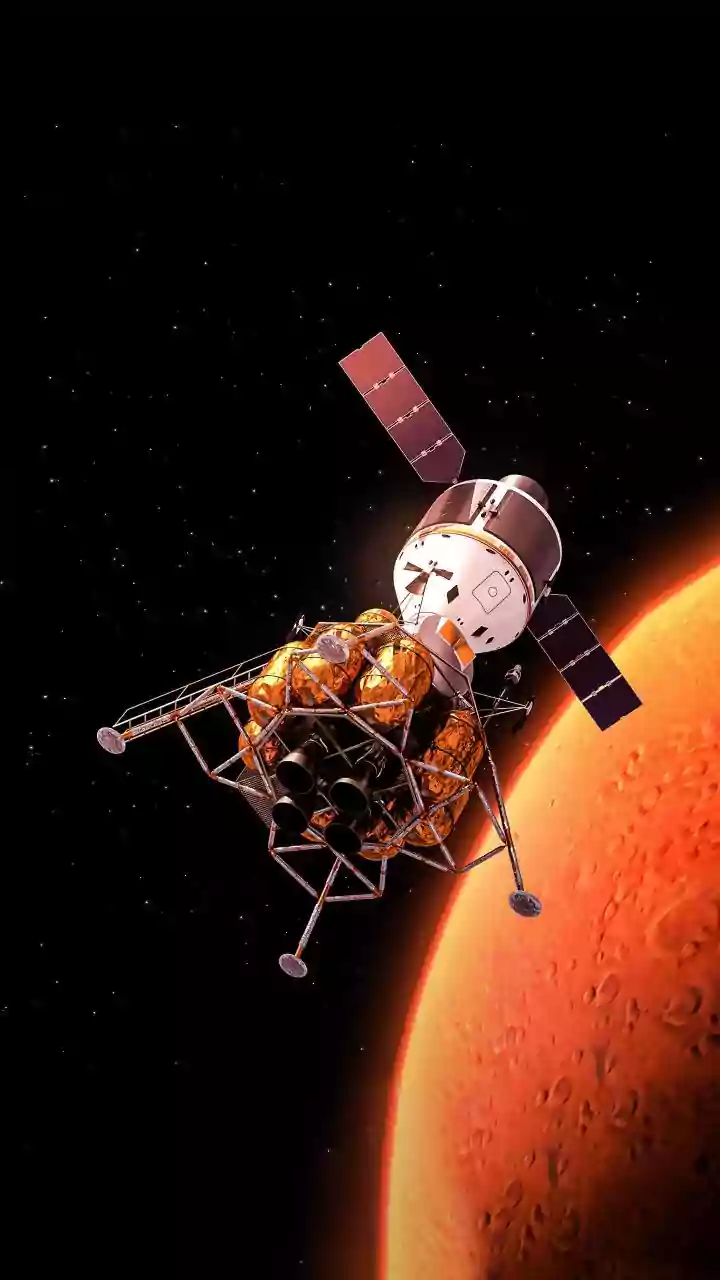
Following the historic successes of the Mangalyaan Mars mission and the Chandrayaan lunar missions, the Indian Space Research Organisation (ISRO) is setting its sights on Earth’s other enigmatic neighbour: Venus. The upcoming Venus Orbiter Mission, popularly
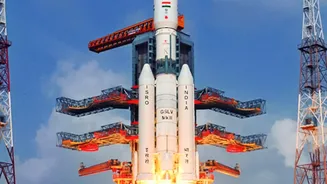
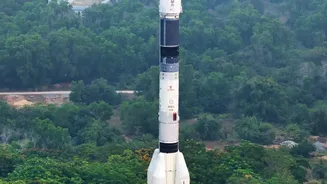
known as Shukrayaan-1, is India’s first dedicated mission to the second planet from the Sun. Formally approved with a launch date set for March 2028, this ambitious project will place India among a select group of space agencies turning their attention back to Venus after decades of relative neglect. The mission aims to comprehensively study the planet’s surface, subsurface, and punishingly dense atmosphere, positioning India at the forefront of planetary science.
The Challenge of Seeing Venus
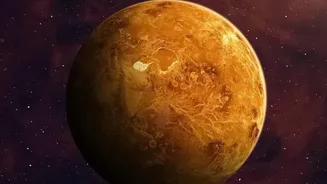
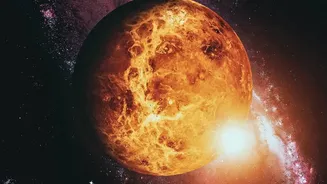
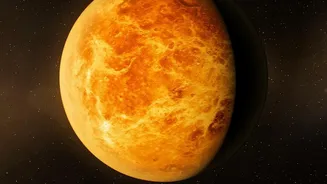
Studying Venus is notoriously difficult. The planet is permanently shrouded in a thick, opaque blanket of clouds made of sulfuric acid. Its surface pressure is over 90 times that of Earth's, and temperatures soar high enough to melt lead. These extreme conditions mean that landers have only ever survived for a couple of hours at most. Consequently, most of what we know about its surface comes from radar imaging by past missions, like NASA's Magellan in the 1990s, which pierced the clouds to map the terrain below. While Magellan revealed a world covered in thousands of volcanoes, whether any of them are still active has remained a tantalizing and unanswered question. Finding proof of active volcanism would confirm that Venus is a geologically dynamic world, not a dead one.
Hunting Volcanoes by Sniffing the Air
So how do you find an erupting volcano you can’t see? ISRO’s scientists plan to do it by looking for atmospheric clues. The primary method involves using sensitive instruments aboard the Shukrayaan orbiter to analyze the chemical composition of the planet’s upper atmosphere. When a volcano erupts, it spews vast quantities of gases, most notably sulfur dioxide (SO2), into the air. On Venus, sunlight breaks down SO2 in the upper atmosphere relatively quickly. Therefore, if the orbiter detects a sudden, localized spike in sulfur dioxide concentration, it would serve as a strong 'smoking gun'—indirect but compelling evidence of a recent or ongoing volcanic eruption on the surface below. This technique turns the atmosphere into a sensitive detector for geological activity happening far beneath the clouds.
More Than Just an Atmosphere
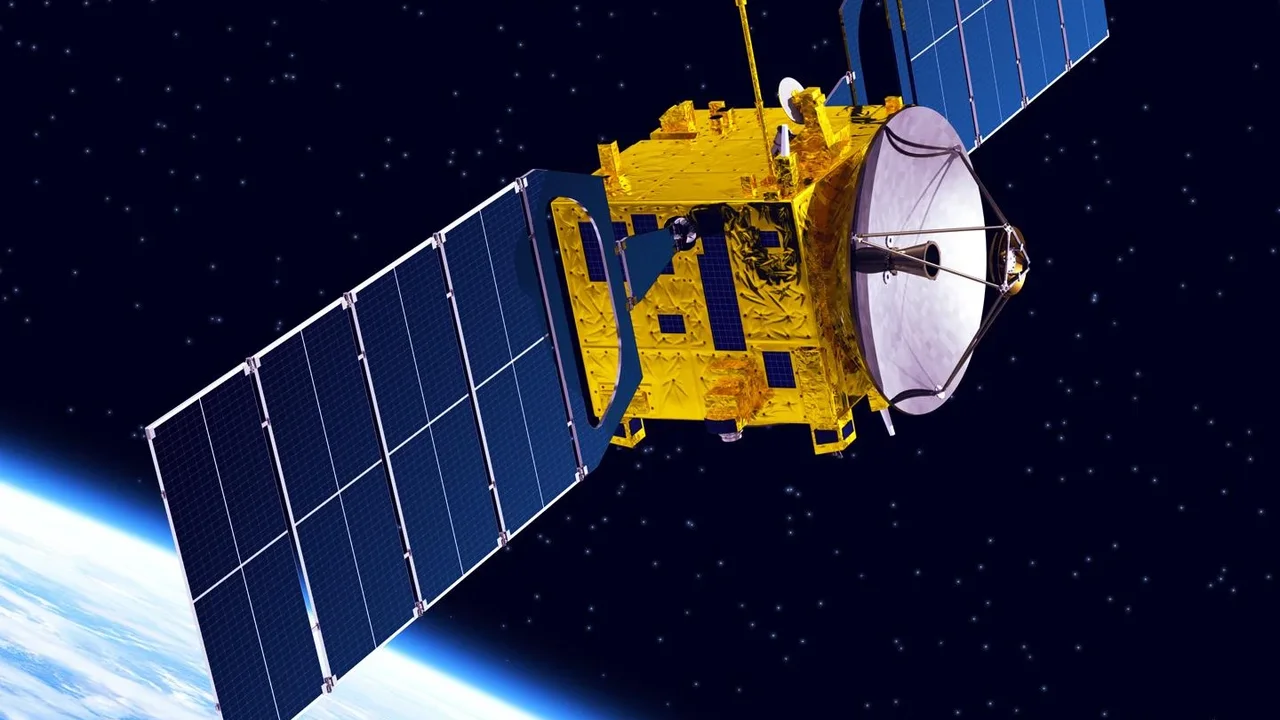
While atmospheric sensing is a key strategy, Shukrayaan-1 will carry a suite of 19 advanced instruments to build a complete picture of the planet. Its primary instrument is a powerful new Synthetic Aperture Radar (SAR), which will map the Venusian surface and subsurface in much higher resolution than Magellan ever could. This will allow scientists to look for direct physical evidence of recent volcanic activity, such as fresh lava flows or changes in the landscape since the last radar maps were made. By combining high-resolution surface imaging with atmospheric data, ISRO will be able to cross-reference evidence, providing a much more confident assessment of whether Venus’s volcanoes are still active.
Why Finding Active Volcanoes Matters
Confirming active volcanism on Venus would be a monumental discovery. It would prove that Venus is still geologically alive, providing crucial data on how a planet so similar in size to Earth evolved so differently. Volcanic outgassing has a profound effect on a planet’s atmosphere and climate. Studying this process on Venus can help scientists refine their models of Earth's own climate and geological evolution. Furthermore, the question of habitability is a key driver. While the surface is inhospitable, some scientists have theorized that microbial life could potentially exist in the more temperate upper layers of the Venusian clouds. Understanding the planet’s current geological activity is a vital piece of the puzzle in assessing the planet's past and present environment.