





From Indulgence to Intention
For decades, snack marketing was simple. It sold indulgence, convenience, and flavour. Today, a new vocabulary has taken over. We are in the 'Halo Era,' where snacks are positioned not as guilty pleasures, but as virtuous choices. This marketing strategy
leans on the 'health halo effect,' a cognitive shortcut where a single positive claim—like 'organic,' 'high-protein,' or 'gluten-free'—convinces us that the entire product is healthy. Brands now sell 'functional snacks' that promise benefits beyond basic nutrition, such as improved energy, better digestion, or enhanced immunity. This shift is transforming snack aisles from a place of temptation into a wellness landscape.
The Great Indian Health Shift
This marketing evolution is a direct response to a massive change in consumer behaviour, particularly in India. The Indian snacks market is expanding rapidly, with projections showing enormous growth over the next decade. This growth is increasingly fuelled by health-conscious consumers. A recent study revealed that health is a primary driver for 72% of Indian consumers when choosing snacks. People are not just eating differently; they are thinking differently about food. Driven by rising incomes, urban lifestyles, and greater awareness of health and wellness, shoppers are actively seeking out what they perceive to be 'better-for-you' options. And they are willing to pay for it, with many prepared to spend a premium on snacks they believe are healthier.
The New Marketing Playbook
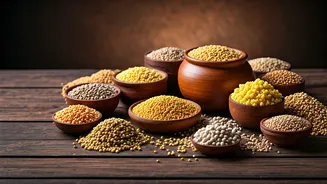
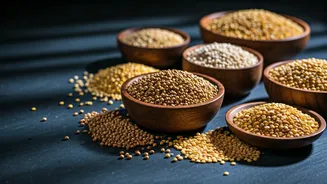
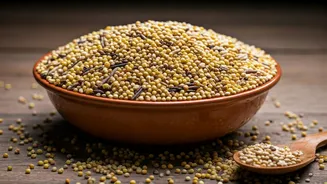
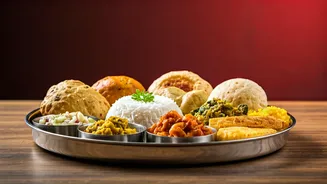
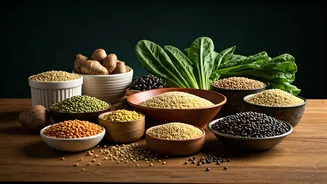
Brands have been quick to adapt to this new reality. The playbook involves more than just slapping a health claim on a packet. It's about deep-rooted innovation. One major trend is the revival of traditional Indian ingredients. Millets, once a humble staple, are now the hero ingredient in 'superfood' puffs and baked snacks. Makhana (fox nuts) has been elevated from a simple homemade snack to a packaged, flavoured, and heavily marketed health food. This strategy brilliantly merges the consumer's trust in traditional ingredients with the modern demand for convenient, packaged goods. Simultaneously, the push for 'clean labels'—products with natural, simple, and no artificial ingredients—has become a powerful differentiator that brands are highlighting.
Looking Beyond the Label's Glow
But does the halo live up to the hype? Often, the answer is complicated. A snack marketed as 'baked, not fried' can still be high in sodium. A 'protein bar' can have as much sugar as a chocolate bar. The health halo can be a powerful illusion, encouraging us to overlook the full nutritional picture. Marketers often use deliberately vague terms that sound healthy but have little regulated meaning. Some of the most popular 'healthy' snacks are still ultra-processed foods, containing industrial ingredients like maltodextrin and inulin that can cause blood sugar spikes or digestive issues. While the marketing has changed, the fundamentals of nutrition have not. The real power still lies in reading the entire nutrition information panel, not just the attractive claims on the front.