
From 'Where' to 'What'
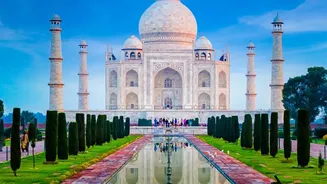
For generations, travel was often defined by a checklist of places. Paris meant the Eiffel Tower; Agra meant the Taj Mahal. Success was measured by the number of stamps in a passport or the list of cities visited. Today, that model is being rewritten
by a generation more interested in the 'what' than the 'where'. This is experience-led travel: a mindset that prioritises doing, feeling, and learning over simply seeing. It’s the difference between taking a photo of a Gondola in Venice and learning how to row one; or between eating at a popular restaurant in Goa and taking a cooking class with a local family. According to recent industry reports, this shift is not just a niche trend but a significant movement, with the experiential travel market in India projected to reach USD 45 billion by 2027, driven largely by travellers in the 18 to 35 age group.
The Drivers of a New Travel Era
So, what’s fuelling this change? A major factor is the influence of social media. While platforms like Instagram once popularised the idea of 'Instagrammable' spots, the trend is now evolving. Younger travellers are moving beyond static photo-ops to sharing dynamic stories and reels of their activities, from trekking in remote valleys to attending music festivals. This creates a feedback loop where unique experiences gain more social currency than conventional sightseeing. Furthermore, there is a growing desire for authenticity and personal growth. After years of digital saturation, many crave genuine human connection and experiences that offer a deeper understanding of a place and its culture. Studies show that a vast majority of young travellers—as high as 95%—want their trips to feel personal and unique, not pre-packaged. This generation sees travel as an extension of their identity, with 87% stating that how they travel reflects who they are as a person.
What Do These Experiences Look Like?
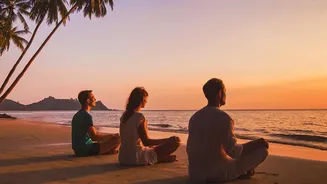
Experiential travel is incredibly diverse, tailored to individual passions. Wellness tourism is booming, with many seeking out yoga retreats in Rishikesh or Ayurvedic treatments in Kerala to disconnect and rejuvenate. Adventure travel is another major draw, as travellers push their comfort zones with activities like hiking, scuba diving, and sustainable tourism in lesser-known regions. Culinary journeys are also increasingly popular, focusing on food tours, farm-to-table dining, and traditional cooking workshops that offer a literal taste of the local culture. Another significant trend is the rise of micro-travel and flexible itineraries. Instead of one long annual holiday, many young Indians prefer taking multiple shorter trips throughout the year, often built around a specific event like a music festival or a workshop. This approach allows for more frequent, spontaneous, and affordable adventures.
Value Over Luxury
This shift also redefines the concept of value. While young travellers are willing to spend, their decisions are more 'value-conscious' than 'price-conscious'. They will invest in an experience they deem worthwhile, whether it’s a premium stay in a unique property or a once-in-a-lifetime activity, but are less interested in traditional markers of luxury for status' sake. For many, a memorable activity holds more emotional value than an expensive hotel room. This is leading to the popularity of homestays, boutique properties, and eco-lodges that offer character and a connection to the local community. Travel companies are responding by offering curated, hassle-free, and immersive travel packages that cater to this demand. The average spending per trip has increased as travellers are willing to pay more for customised itineraries that align with their personal interests.