
The Power of Pulses: Lentils and Chickpeas
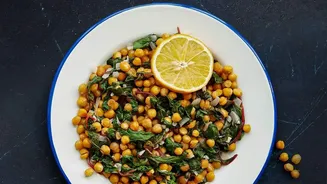
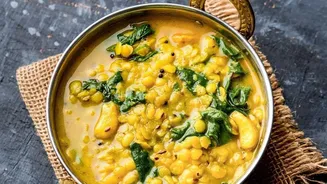
Lentils (dal) and chickpeas (chana) are foundational to Indian vegetarian cooking and are nutritional powerhouses. A single cup of cooked lentils provides around 18 grams of protein, while chickpeas offer about 15 grams. These versatile legumes are not
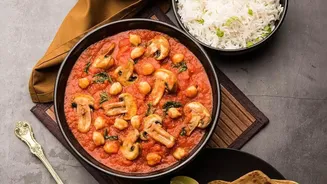
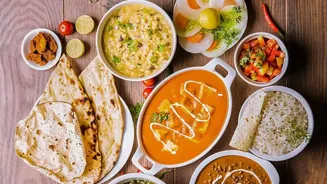
only affordable but also packed with fibre, which aids digestion and promotes a feeling of fullness. Instead of a light salad, consider a hearty Moong Dal Chilla, a savoury pancake that can pack over 15 grams of protein per serving. Another excellent option is a classic Chana Masala, a flavourful chickpea curry. When paired with whole wheat roti or brown rice, it creates a complete protein, providing all the essential amino acids your body needs.
Versatile Paneer: More Than Just a Side
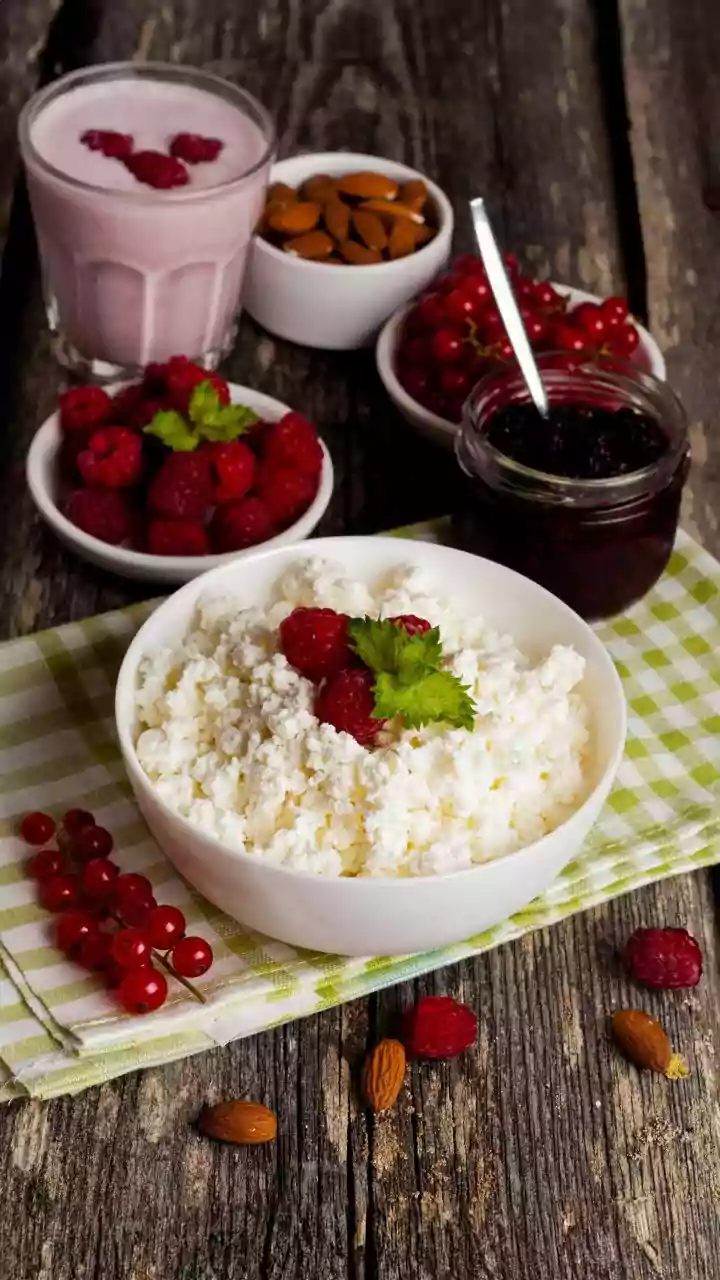
Paneer, a fresh, non-melting cheese, is one of the most popular and dense sources of protein in a vegetarian diet. A 100-gram serving can contain anywhere from 18 to 20 grams of protein, making it an ideal ingredient for building a substantial meal. Its slow-digesting casein protein helps with muscle repair and keeps you feeling full for longer. Move beyond small cubes in a curry and make paneer the star. Paneer Bhurji, a spicy scramble, is a quick and delicious way to get a significant protein boost, perfect for breakfast or a light dinner. For a more elaborate meal, Paneer Tikka skewers, marinated in yoghurt and spices and then grilled or baked, offer a high-protein, flavour-packed experience that far surpasses any salad.
Tofu and Soya: Plant-Based Champions
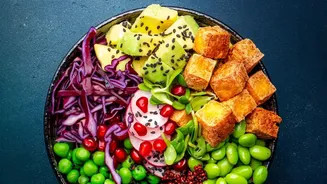
Tofu, made from soybeans, is a fantastic alternative to paneer and an excellent source of plant-based protein, offering 12 to 20 grams per 100-gram serving. Its ability to absorb flavours makes it incredibly versatile. A Palak Tofu, where tofu is simmered in a creamy spinach gravy, is a nutrient-dense dish that provides around 16 grams of protein. Tofu Bhurji is another brilliant option that mimics the texture of scrambled eggs or paneer, delivering a satisfying meal with about 12-14 grams of protein per serving. For an even higher protein concentration, consider soya chunks. When rehydrated, they have a meaty texture and can be used in dishes like Soya Keema, which can deliver up to 28 grams of protein when served with rice.
Grain Bowls Reimagined with Quinoa
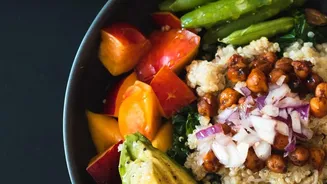
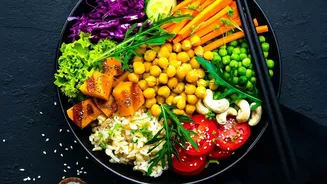
While salads often use leafy greens as a base, a grain bowl built on quinoa offers a more substantial and protein-rich foundation. Quinoa is one of the few plant foods that is a complete protein, containing all nine essential amino acids. A cooked cup provides about 8 grams of protein. Instead of a simple salad, try a quinoa pulao loaded with vegetables and nuts. For a modern twist, create a Tofu Tikka Bowl with a quinoa base for a meal that can easily exceed 24 grams of protein. You can also prepare a warm quinoa bowl for breakfast by cooking it with milk instead of water and topping it with nuts and seeds, starting your day with a significant protein advantage.
Hearty Legume Curries and Soups
A warm bowl of curry or soup can be deeply satisfying and a fantastic vehicle for protein. Rajma curry, made from kidney beans, is a beloved comfort food in many Indian households. Served with brown rice, a bowl can provide around 22-25 grams of protein. Similarly, a simple lentil soup (like one made from masoor dal) can offer about 20 grams of protein per serving, especially when enjoyed with a slice of multigrain bread. These one-pot meals are not only convenient but also ensure you are getting a balanced mix of protein, fibre, and complex carbohydrates for sustained energy.