




Embrace the Iconic Jamun (Java Plum)
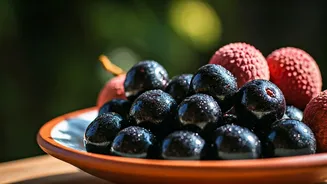
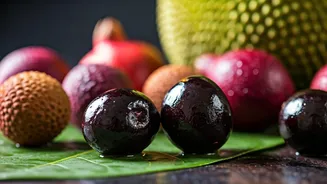
If the monsoon had a mascot, it would be the Jamun. This small, oblong, deep-purple fruit is the undeniable star of the season. Known in the U.S. as Java Plum or Black Plum, it has a unique flavor profile that starts sweet, moves to tart, and finishes
with a distinct astringent kick. It’s the kind of fruit that’s an experience, not just a snack. When shopping, look for fruits that are plump, smooth-skinned, and have a rich, dark color. Avoid any that are bruised, mushy, or overly soft. A classic way to enjoy them is sprinkled with a pinch of black salt, which beautifully balances the fruit’s tartness. Be prepared for the classic purple-stained tongue—it’s a badge of honor for anyone indulging in this seasonal treat.
Seek Out Juicy Lychees and Plums
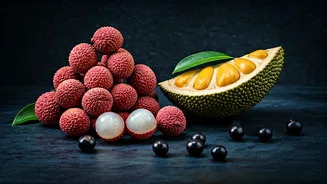
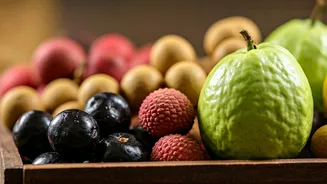
While their peak season starts just before the monsoon, lychees and plums are still magnificent as the rains begin. For lychees, look for a bright, bumpy red peel that isn't cracked or leaking. The fruit should feel firm but give slightly when pressed. A soft, brownish lychee is past its prime. Once you peel back the skin, the translucent white flesh should be fragrant and juicy. Similarly, the monsoon is a fantastic time for plums (aloo bukhara). These are not the giant, mildly flavored plums common in U.S. supermarkets. Indian plums are often smaller, darker, and pack an intensely sweet-tart punch. Look for a deep, uniform color and a slight softness, indicating they’re ripe and ready to eat.
Don't Forget Peaches, Cherries, and Pears
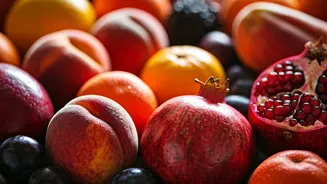
The cooler, humid weather brought by the monsoon is perfect for a variety of stone fruits and other temperate climate treats, especially in the northern hill regions. This is the prime season for Indian peaches (aadu), which are often smaller and more intensely flavored than their Western counterparts. Look for a fragrant aroma and skin that yields to gentle pressure. Cherries also have a glorious, if brief, season during this time. Look for firm, shiny cherries with their green stems still attached. Finally, pears (nashpati) are a monsoon staple. They are crisp, crunchy, and incredibly refreshing. Unlike softer pear varieties, these are best when firm, making them a perfect, sturdy fruit for the humid weather.
The Pomegranate Advantage
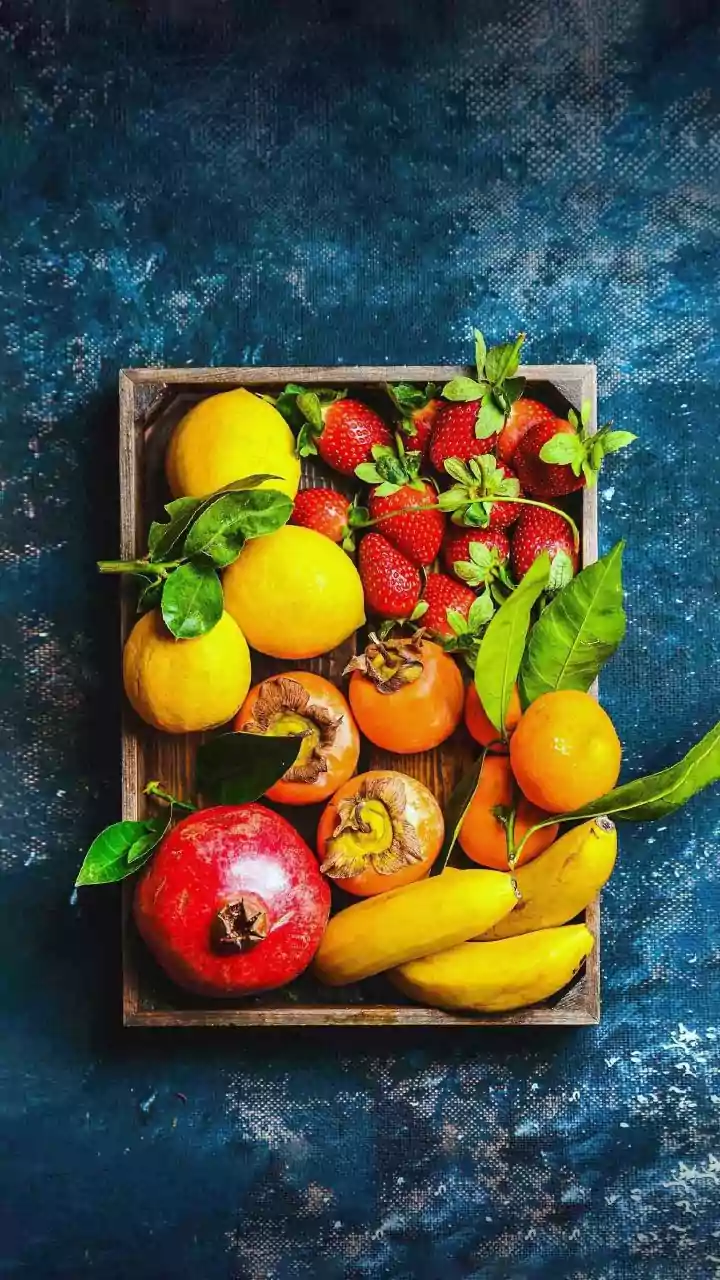
Pomegranates (anar) are a brilliant choice for the monsoon. Their tough, leathery skin acts as natural, waterproof armor, protecting the delicate arils inside from the excess moisture and contaminants that can affect other fruits. This makes them a particularly safe and hygienic option. When selecting a pomegranate, ignore the skin color, which varies by variety. Instead, look for one that feels heavy for its size—a sign it’s full of juice. The skin should be firm and free of deep cuts or bruises. The angular, slightly squared-off shape is often a sign that the arils inside are plump and pressing against the skin, promising a rewarding harvest.
Be Smart About Spoilage and Contamination
The humidity and moisture of the monsoon create an environment where spoilage happens fast. This is why traditional wisdom dictates a few key precautions. First, avoid buying pre-cut fruits from street vendors. While convenient, the risk of contamination from unclean water or knives is higher during this season. It's always best to buy whole fruits and wash and cut them yourself at home. When you wash them, use clean, filtered water if possible. Be extra vigilant about inspecting for mold, soft spots, or fruit flies, as these issues become more common in the damp air. Store fruits in a cool, dry place and consume them quickly after purchase to enjoy them at their peak freshness and safety.