


What is Circular Mycology?
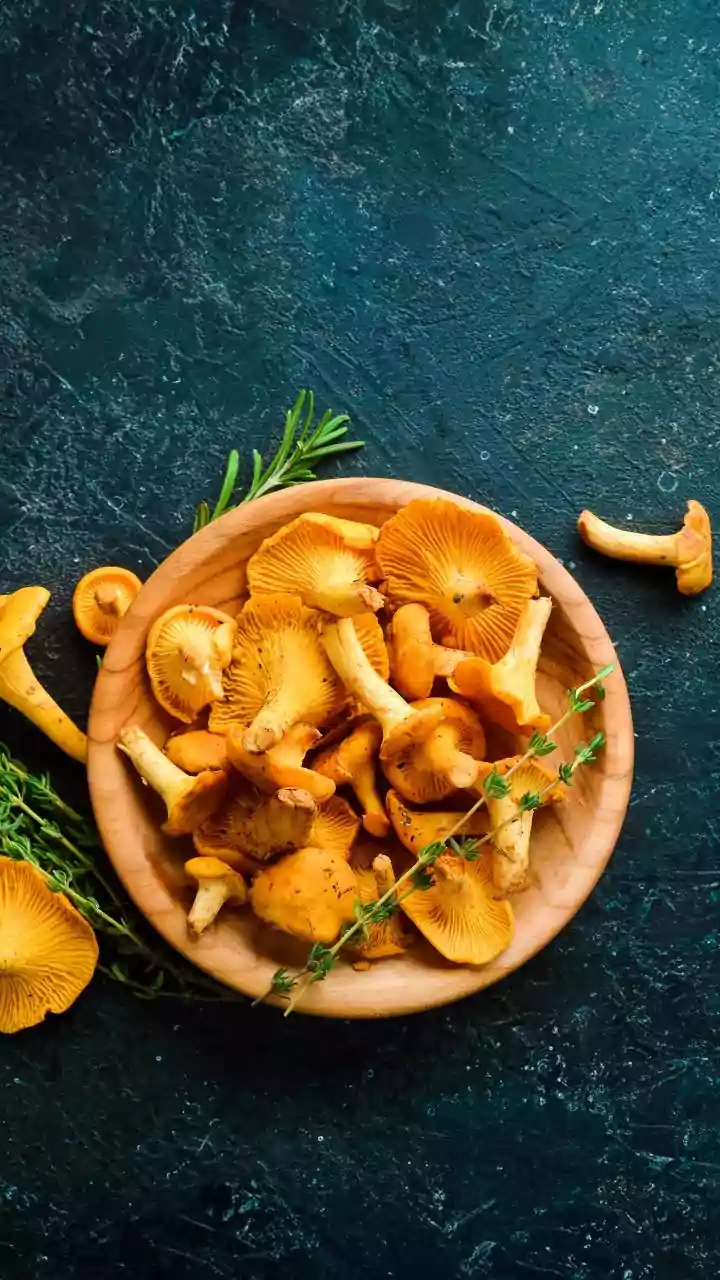
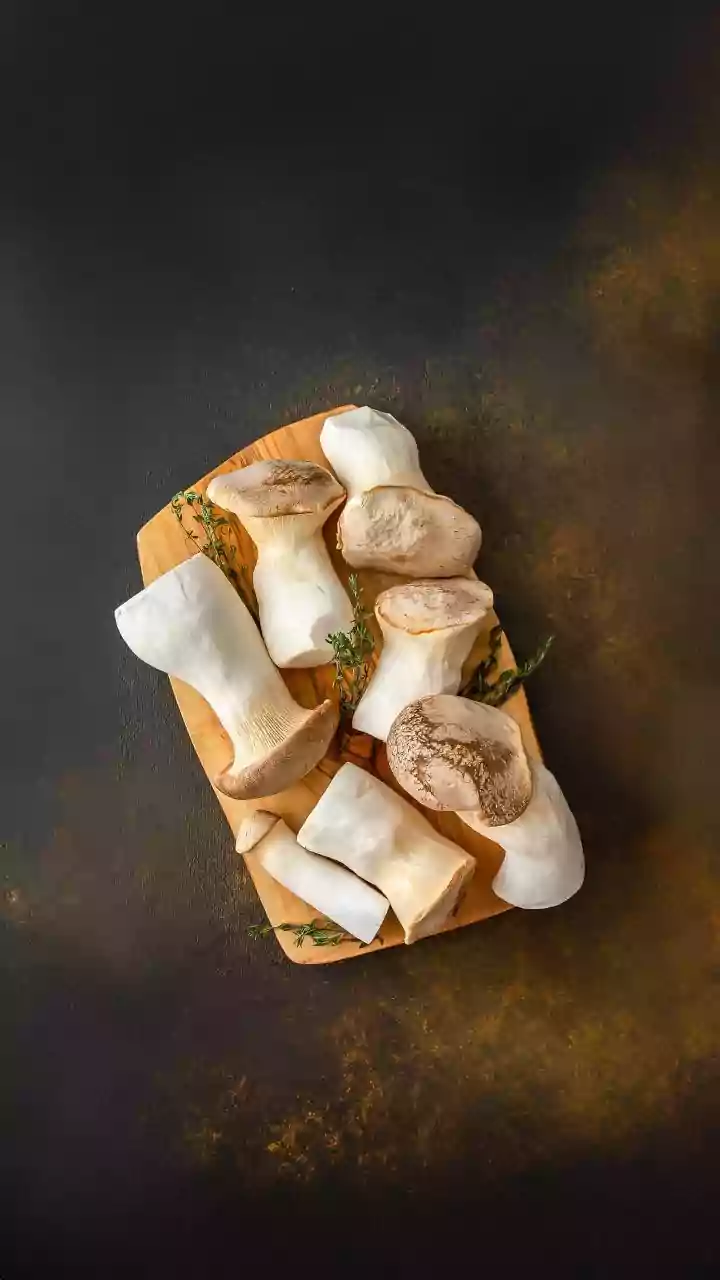
At its heart, circular mycology is a simple yet powerful idea: using waste as a resource. Mushroom farming is a prime example of a circular process. Fungi, like mushrooms, are natural decomposers; they thrive by breaking down organic matter. This unique
ability allows farmers to cultivate them on agricultural byproducts that are often considered waste, such as paddy straw, sugarcane bagasse, coffee grounds, and sawdust. In India, which produces millions of tonnes of agricultural waste annually, this presents a massive opportunity. Instead of burning crop residues like paddy straw, which contributes to air pollution, farmers can use it as a substrate—or growing medium—for mushrooms. This approach not only solves a waste management problem but also creates a high-value food product from a low-cost input.
Inside the Urban Micro-Factory
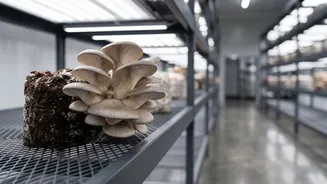
The “micro-factory” concept takes this process into the heart of our cities. These are not sprawling farms but compact, modular, and highly controlled environments. Think of retrofitted shipping containers, basements, or small warehouse spaces dedicated to mushroom cultivation. These setups are a form of Controlled Environment Agriculture (CEA), where every variable—temperature, humidity, light, and air flow—is precisely managed. Advanced systems can use IoT sensors and automation to maintain the perfect growing conditions year-round, regardless of the climate outside. Because mushrooms do not require sunlight for energy (they get it from the substrate), these farms can operate in dark spaces, a significant advantage over other forms of vertical farming that rely on costly LED lighting. This model allows for decentralized, hyperlocal food production, bringing fresh mushrooms directly to urban consumers.
The Power of High-Density Production
Space in cities is a premium, which is why the “high-density” aspect of these micro-factories is so crucial. By using vertical racks and precisely packed grow bags, these farms can produce a remarkable amount of food in a very small footprint. Some specialized systems are designed to yield over 450 kilograms of mushrooms per month from a single, compact unit. This efficiency makes the business model economically viable in urban settings. It allows for consistent, predictable harvests that can supply local restaurants, farmers' markets, and grocery stores with a steady stream of fresh, high-quality produce. In a country with rapidly growing cities, this ability to produce food intensively within urban boundaries is a key step towards enhancing food security and reducing reliance on long, complex supply chains.
Completing the Circle: Beyond the Harvest
The circular journey doesn't end once the mushrooms are harvested. The leftover material, known as Spent Mushroom Substrate (SMS), is far from being waste. This nutrient-rich biomass is an excellent soil conditioner and organic compost. It contains essential nutrients taken up by the fungus, which can be returned to the soil to improve fertility for growing other crops. In some innovative models, SMS is being repurposed as animal feed or even as a raw material for producing biodegradable packaging and construction materials. This final step ensures that virtually nothing is wasted. The initial agricultural byproduct is transformed into food, and the residue from that process becomes a valuable input for another cycle, creating a truly sustainable, zero-waste system.