
A New Era of Lunar Living
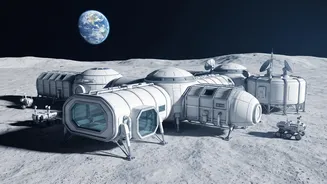
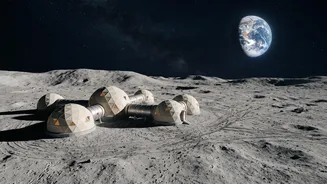
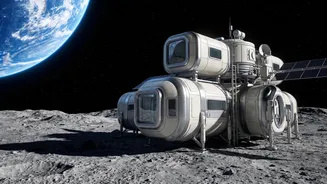
Humanity is shifting its gaze back to the Moon, this time with the goal of establishing a sustainable presence. Spearheaded by initiatives like the US-led Artemis programme, the focus is on creating a permanent outpost for scientific research, resource
utilization, and a stepping stone for future missions to Mars. India has firmly placed itself within this international framework by signing the Artemis Accords, a set of principles for peaceful and transparent space exploration. This move, coupled with a recent invitation from NASA to collaborate on its Moon Base program, signals a strategic shift from independent missions to a collaborative role in shaping humanity's multi-planetary future.
ISRO: The Foundation of Experience
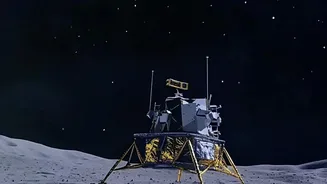
The Indian Space Research Organisation (ISRO) brings decades of experience and a track record of remarkable, cost-effective successes. The Chandrayaan missions are a prime example. Chandrayaan-1 was instrumental in the initial discovery of water molecules, and subsequent missions have provided strong evidence of subsurface water ice, particularly in the shadowed craters of the lunar south pole. This is a critical resource for a future base, as it can be converted into drinking water, breathable oxygen, and even rocket fuel. Furthermore, ISRO's powerful LVM3 rocket is being human-rated for the Gaganyaan programme, which will give India invaluable expertise in life support and crew safety systems—all essential technologies for sustaining life on the Moon.
Robotics, Resources, and Niche Expertise
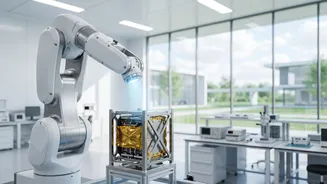
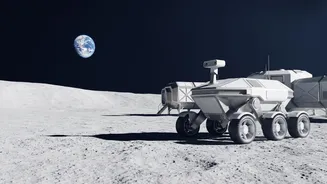
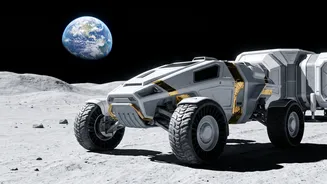
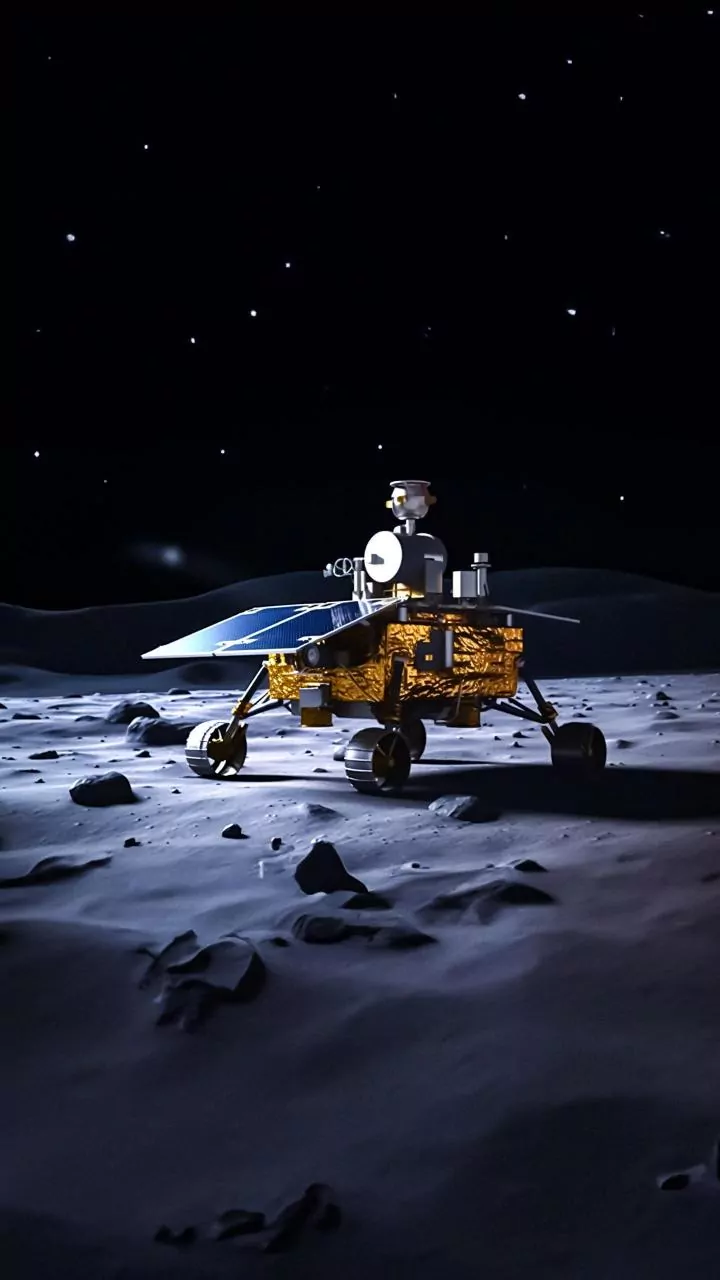
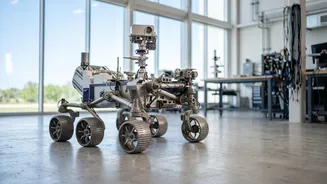
India's contribution can extend far beyond launching hardware. The nation can carve out a niche in specific high-technology areas crucial for a lunar settlement. Given the success of the Pragyan rover, India could specialize in developing advanced robotic systems for prospecting, construction, and maintenance on the lunar surface. Another key area is In-Situ Resource Utilization (ISRU), the concept of using local materials. With its deep knowledge of the lunar south pole's composition from Chandrayaan data, ISRO and Indian research institutions are well-placed to develop technologies for extracting and processing water ice and other lunar minerals. This expertise would make India an indispensable partner, providing essential resources on-site rather than transporting everything from Earth at immense cost.
The Rise of India's Private Space Industry
The recent opening of India's space sector has unleashed a wave of innovation from private companies. With over 400 startups now in the ecosystem, the country has a dynamic industrial base ready to support a major space endeavor. Companies like Skyroot Aerospace and Agnikul Cosmos are developing their own launch vehicles, which could one day offer low-cost logistics for sending cargo and components to the Moon. Others are focused on building satellites, communication systems, and specialized components. This burgeoning private sector can act as a force multiplier, providing a nimble and cost-effective supply chain for everything from habitat modules and scientific instruments to the nuts and bolts required to build and maintain a lunar base. This pivot also allows ISRO to focus on research and deep-space missions while industry handles production.
The Challenges and the Cosmic Road Ahead
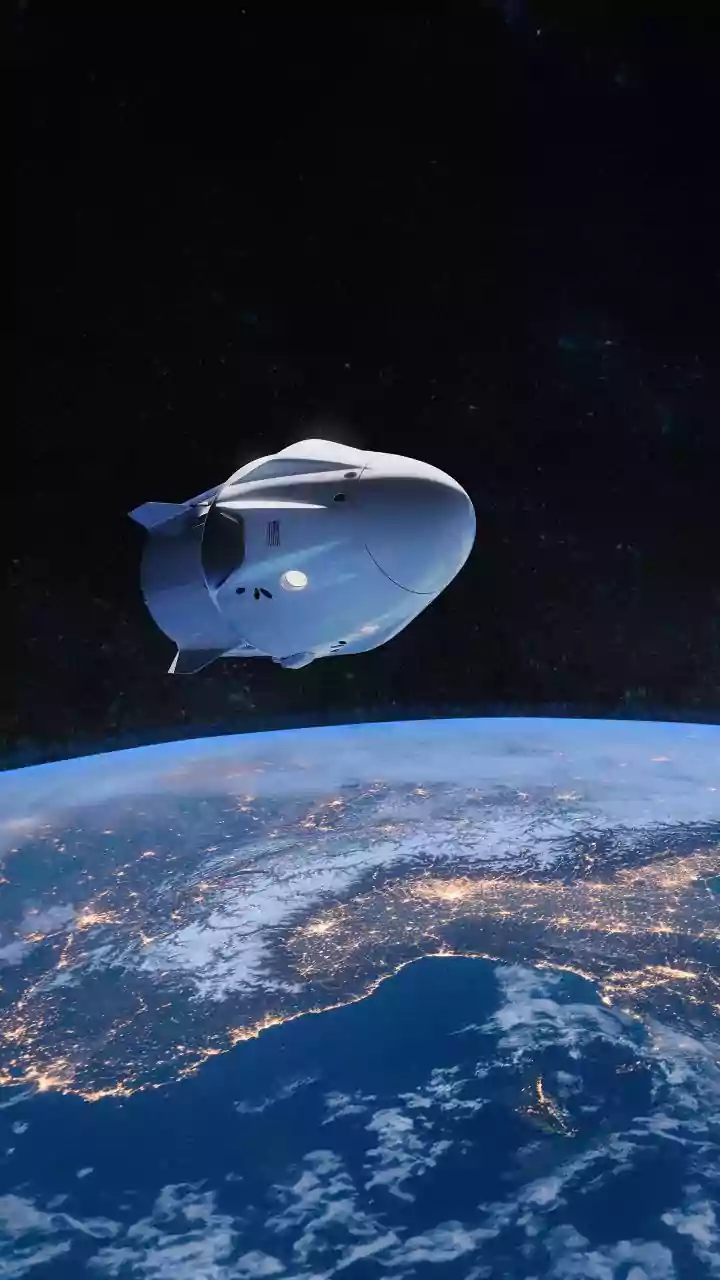
The path to a lunar base is not without its challenges. India will need to continue developing its heavy-lift launch capabilities, including the planned Next Generation Launch Vehicle (NGLV), to carry the large payloads required for construction. The Gaganyaan programme must successfully demonstrate long-duration human spaceflight and life support systems. Significant and sustained investment will be required from both public and private sources. However, these challenges are also opportunities. By strategically investing in these areas, India not only prepares itself to be a key player in the lunar economy but also builds sovereign capability. The goal, as many experts suggest, should be to become a core partner in development, not just a subcontractor.