



From Tourist Traps to Hidden Tracks
For decades, Indian travel often meant choosing from a familiar menu of destinations: the Golden Triangle, the beaches of Goa, or the backwaters of Kerala. While these places remain popular for good reason, a growing wave of domestic travellers is now
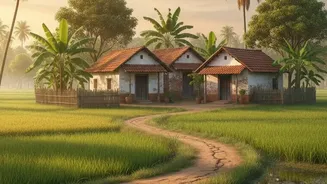
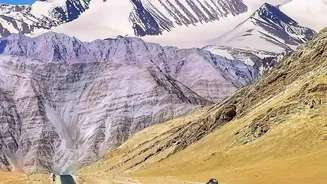
actively seeking the opposite. They are trading crowded monuments for quiet Himalayan villages, packed beaches for serene coastal hamlets, and five-star hotels for authentic, family-run homestays. This shift is driven by a desire for unique experiences, bragging rights on social media, and a deeper connection with local culture. Post-pandemic travel habits further accelerated this trend, with an increasing preference for less-crowded spaces and meaningful getaways.
The Social Media Compass
The single biggest catalyst in this discovery process is social media. Platforms like Instagram and YouTube have become the new travel guides for millennials and Gen Z. A recent survey revealed that a staggering 72% of Indian travellers discover new and offbeat destinations primarily through Instagram Reels and other short-form videos. A stunning 30-second drone shot of a remote valley in Arunachal Pradesh or a vlog about a homestay in a quaint corner of Tamil Nadu can spark more travel inspiration than a glossy brochure ever could. Influencers have become key players, partnering with state tourism boards and amplifying campaigns like #DekhoApnaDesh to spotlight places like Spiti Valley or Ziro Valley, which saw significant increases in footfall after being featured extensively online.
Booking a Bed in the Back of Beyond
Inspiration is one thing, but logistics are another. This is where Online Travel Agencies (OTAs) and booking platforms have completely changed the game. A decade ago, finding and booking a place to stay in a village like Mirik in West Bengal would have required local contacts or a leap of faith. Today, platforms like MakeMyTrip, Booking.com, and Airbnb have democratized access, listing thousands of small hotels and homestays in Tier-2 and Tier-3 cities and rural areas. This has not only empowered travellers with choice and transparent reviews but has also provided a vital economic lifeline to local entrepreneurs, especially women, who run many of these establishments. The homestay sector is booming, with digital platforms making it easy for homeowners to reach a national audience.
AI and the Future of Discovery
The next frontier in travel discovery is already here: Artificial Intelligence. A 2026 survey noted that 61% of travellers had used AI to plan at least one trip in the past year, using tools like ChatGPT and Google AI Overviews. AI-powered recommendation engines can now analyze a user's preferences to create highly personalized itineraries that go far beyond generic suggestions. The Indian government is also stepping in, developing a National Digital Tourism Stack. This initiative aims to create a connected digital network where travellers can easily find verified homestays, local guides, and cultural experiences, reducing dependence on any single platform and giving even more visibility to smaller providers.
A New Map for a New Traveller
The result of this digital shift is a complete redrawing of India’s travel map. Destinations that were once footnotes in guidebooks are becoming primary attractions. Places like the Chandrabhaga route in Himachal, the Bastar region in Chhattisgarh, and the Chalukya heritage circuit in Karnataka are now on the radar of adventurous travellers. This trend also aligns with the rise of remote work, which allows for longer, more immersive stays. Instead of a quick weekend trip, digital nomads can spend weeks or months in a single location, contributing more significantly to the local economy. This evolving landscape rewards curiosity and empowers travellers to look beyond the obvious, creating a more diverse and sustainable tourism ecosystem for the entire country.