

As cooler weather arrives, many gardens can start to look bare. But the winter season in India is a perfect opportunity for a floral makeover. Pansies, sweet alyssum, and petunias are three champions of the cold, ready to fill your space with life.
The Cheerful Pansy: A Winter Favourite
Pansies,
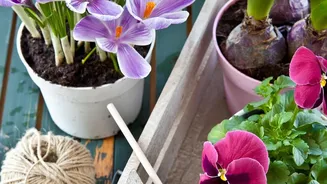
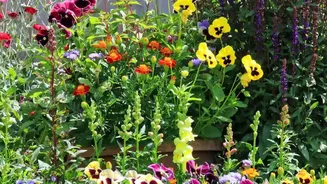
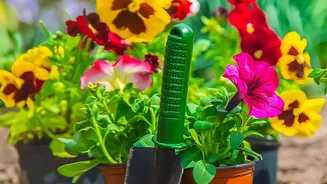
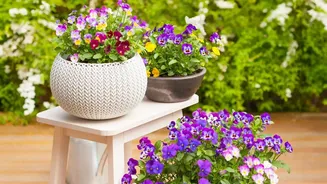
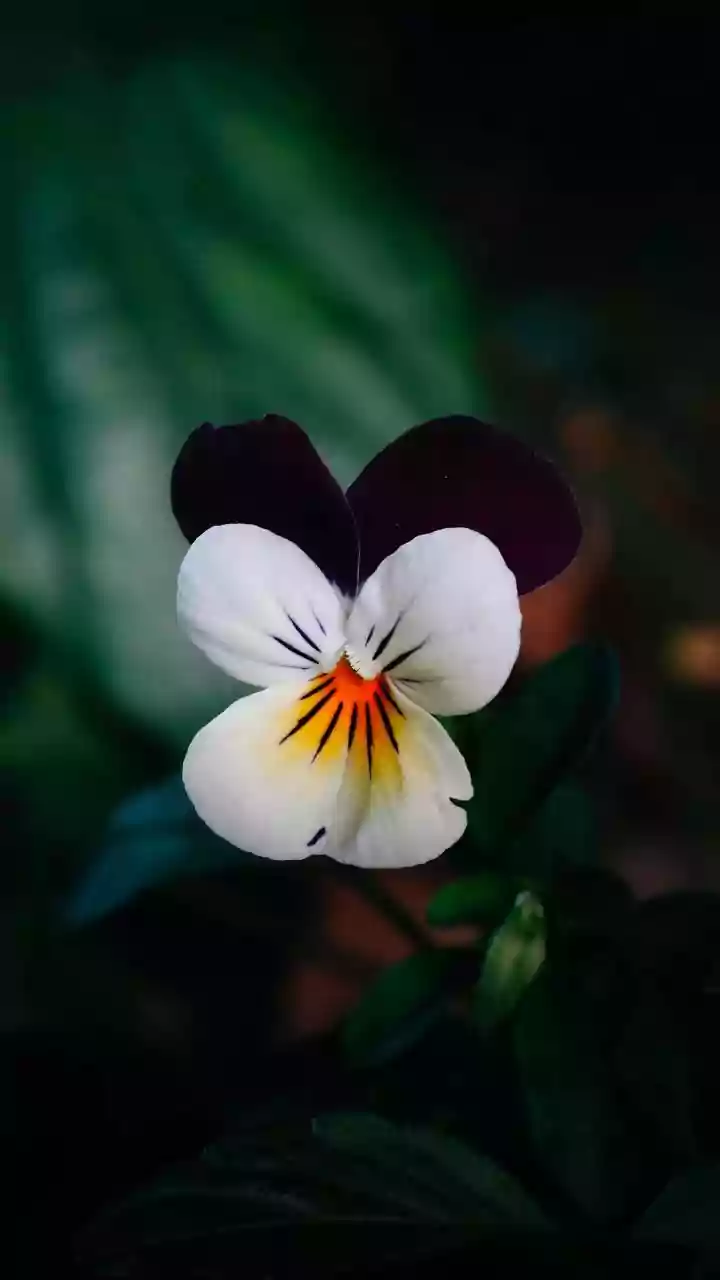
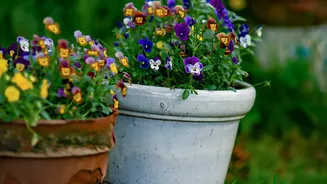
with their vibrant, face-like petals, are a classic choice for adding cheer to a winter garden. These plants thrive in the cooler temperatures that define the winter months in many parts of India, especially the plains. They are ideal for pots, window boxes, and borders. To get the best from your pansies, plant them in a spot that receives four to six hours of sunlight, preferably the gentle morning sun. They prefer soil that is rich in organic matter and remains consistently moist but not waterlogged. A common mistake is overwatering, which can lead to root rot, so always check if the top inch of soil is dry before watering again. Removing faded flowers, a practice known as deadheading, encourages the plant to produce more blooms and extends its flowering season.
Sweet Alyssum: A Fragrant Carpet of Flowers
Sweet alyssum is a low-growing plant that produces dense clusters of tiny, fragrant flowers, creating a delicate carpet of white, pink, or purple. It's an excellent choice for ground cover, path borders, or spilling out of hanging baskets. This plant flowers best in cool weather, making it a perfect winter annual in the Indian plains. Sweet alyssum loves full sun but can tolerate some partial shade, though flowering may be less profuse in shadier spots. It's not a heavy feeder and grows well in well-draining soil. Water when the top inch of soil feels dry, but be mindful that it's surprisingly drought-tolerant once established. A light trim after the first wave of blooms can encourage a second, bushier flush of flowers.
Prolific Petunias: Cascading Colour
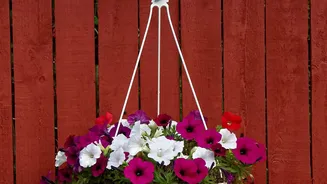
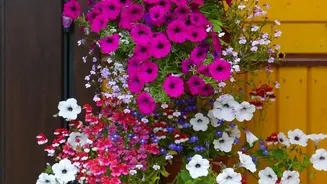
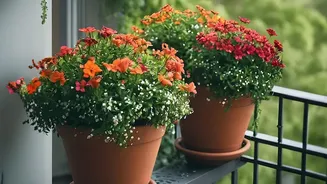
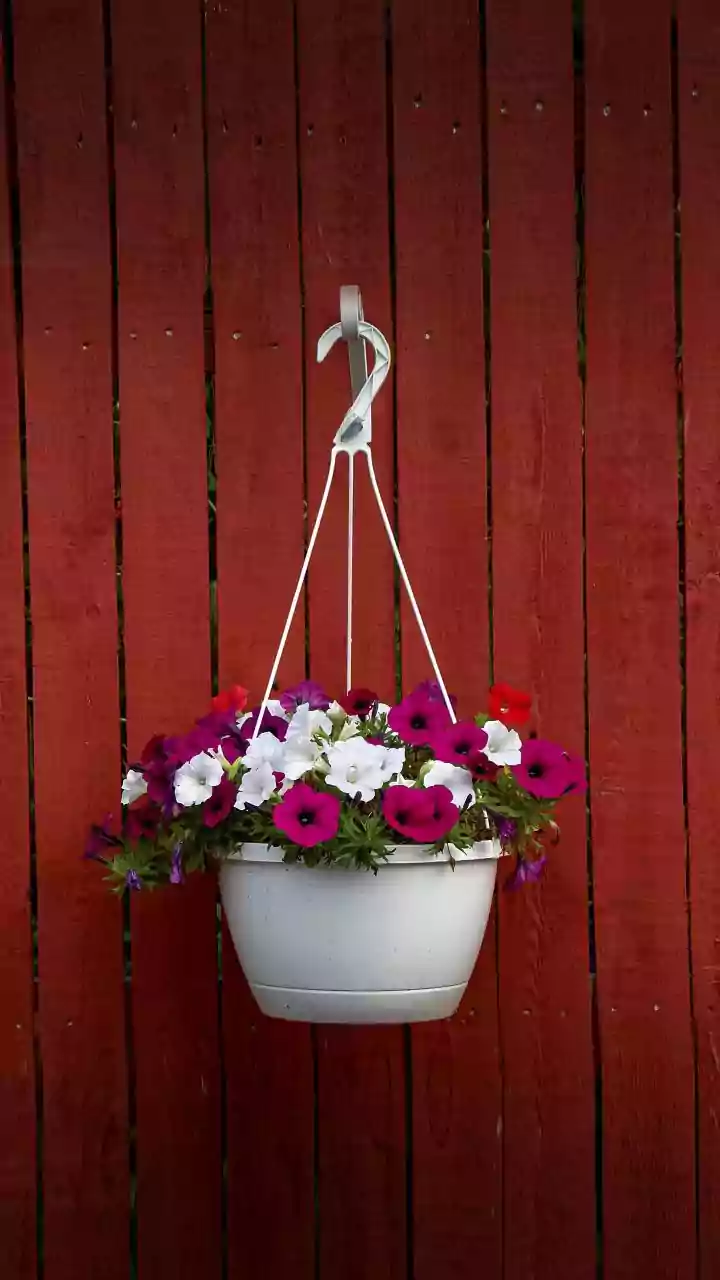
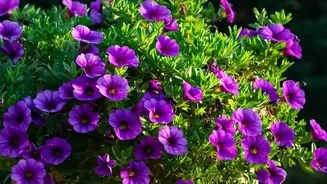
For a spectacular burst of colour, few plants can rival the petunia. Available in a vast range of hues including pinks, purples, reds, and whites, they are perfect for hanging baskets, containers, and garden beds. Petunias are treated as winter annuals in most of India, thriving in the mild days and cool nights from December through March. They are sun-lovers and require at least five to six hours of direct sunlight to produce abundant flowers; in shade, they tend to become leggy with fewer blooms. A well-draining potting mix is crucial—a combination of garden soil, compost, and sand or cocopeat works well. One of the secrets to lush petunias is 'pinching'. When the plant is young, pinching off the tips of the main stems encourages it to grow bushier, leading to more flowers.
Tips for a Thriving Winter Flower Garden
Success with winter flowers in India often comes down to a few key practices. The planting window is critical; for most plains, sowing seeds or planting nursery saplings between September and November is ideal. This allows the plants to establish roots before the coldest part of winter. All three of these flowers require good drainage, as cold, wet soil is a primary cause of root rot. Always use pots with drainage holes. Watering needs are lower in winter, so check the soil's moisture before watering. Watering in the morning is preferable, as it allows foliage to dry during the day, reducing the risk of fungal diseases. Finally, regular feeding every few weeks with a balanced liquid fertiliser or vermicompost will provide the nutrients needed for continuous blooming through the season.