


For decades, bringing pristine samples of Martian soil to Earth has been a top priority for space exploration. Now, NASA's ambitious Mars Sample Return (MSR) mission is facing a critical moment as costs and timelines force a major rethink.
The Original Grand Plan
The initial
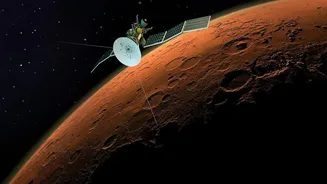
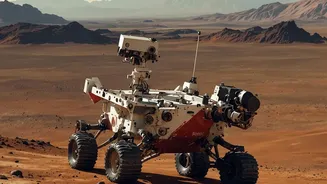
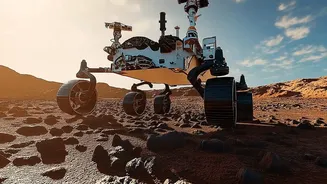
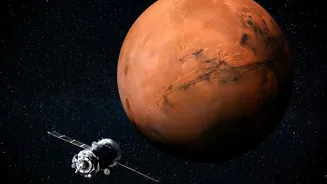
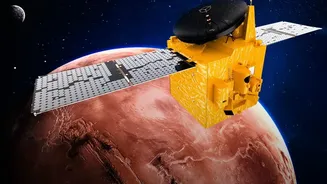
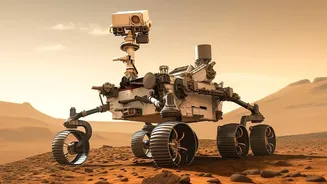
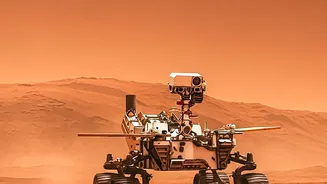
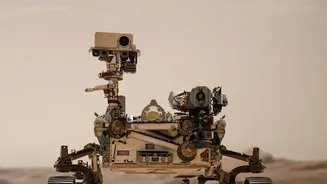
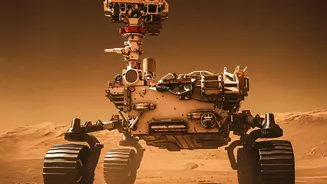
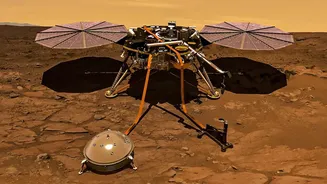
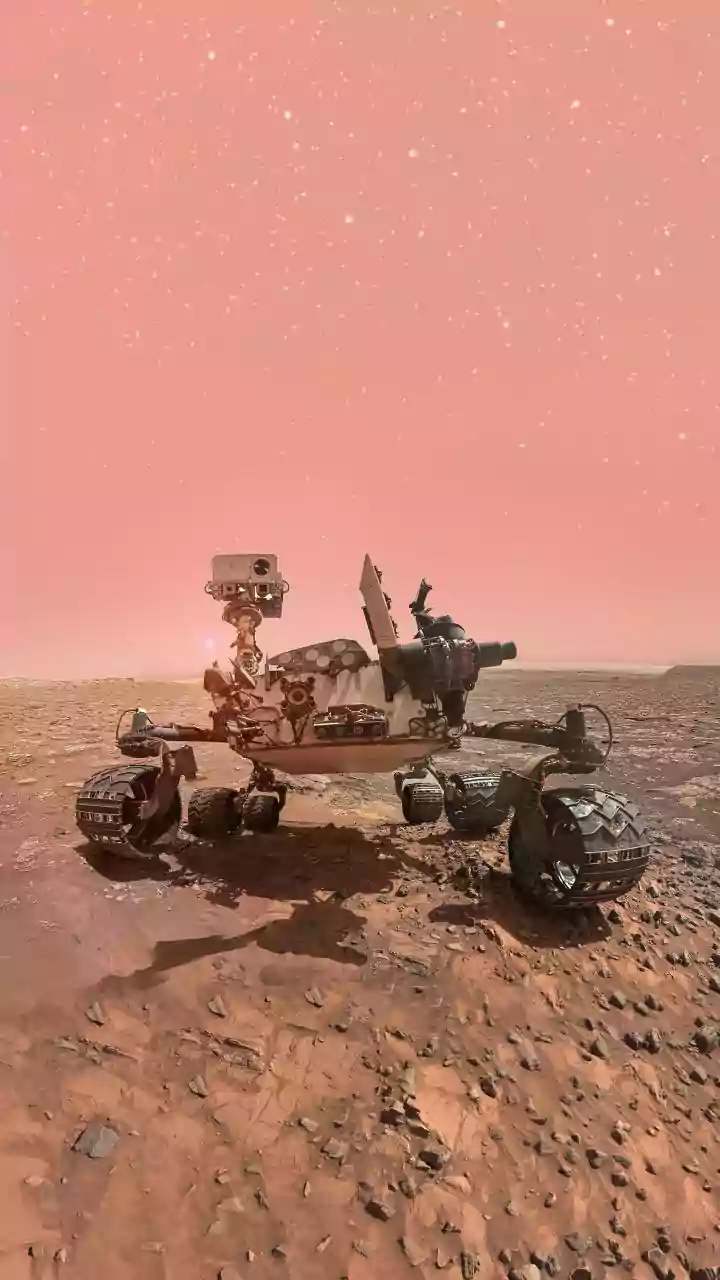
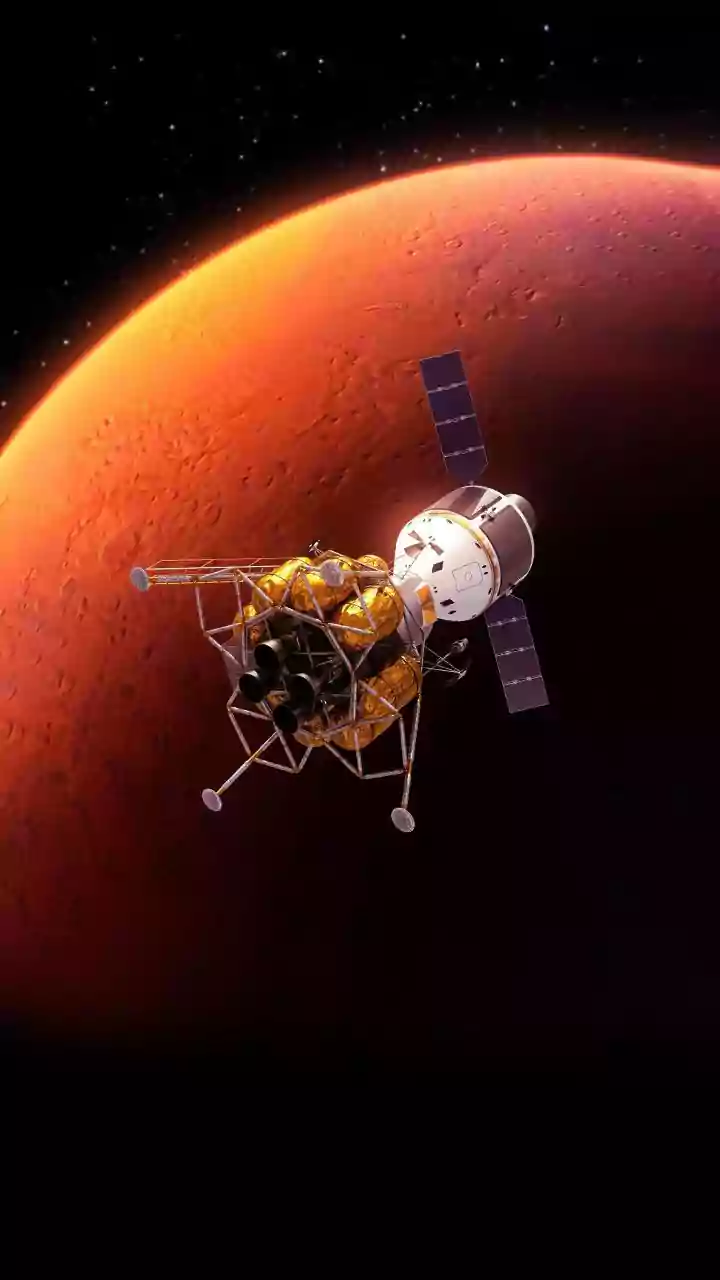
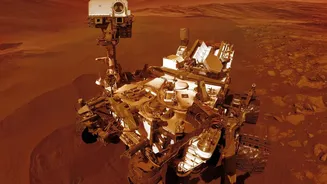
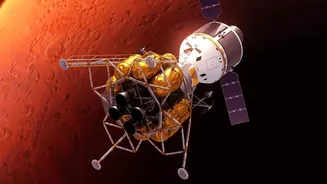
concept for the Mars Sample Return mission was a marvel of international cooperation and technical complexity, involving both NASA and the European Space Agency (ESA). The multi-stage plan began with the Perseverance rover, which landed on Mars in 2021 and has been diligently drilling and storing compelling rock and soil samples in lipstick-sized tubes. The next steps involved launching a Sample Retrieval Lander to the surface. This lander would deploy a small rover to fetch the samples, which would then be loaded onto a Mars Ascent Vehicle (MAV) — essentially a small rocket. This rocket would blast off from the Martian surface, a first in human history, to place the sample container into orbit around Mars. Finally, an ESA-built Earth Return Orbiter would rendezvous with and capture the sample container, flying it back to Earth for a planned landing in the 2030s.
A Mission in Trouble
This elegant but intricate plan hit a significant wall. An independent review board, tasked with assessing the mission's feasibility, returned with sobering findings. The estimated cost had ballooned to as much as $11 billion, and the timeline for getting the samples back to Earth had slipped to as late as 2040. The board's report highlighted the extreme complexity, pointing to issues with the mass of the lander and the overall mission architecture. NASA leadership deemed this new price tag and extended schedule 'unacceptable', acknowledging that the current plan was too expensive and would take too long. This triggered a formal pause and a hard look at the entire program, effectively sending engineers and planners back to the drawing board.
The Call for New Ideas
In response to the review, NASA has taken a step back to chart a new course. The agency has officially put the previous architecture on hold and initiated a new effort to find a faster, cheaper, and less risky way forward. Termed the Perseverance Sample Retrieval Architecture (PSRA), this new initiative is a formal call for fresh ideas. NASA has solicited proposals from its own centers, the Jet Propulsion Laboratory, and, crucially, from commercial space companies. Companies like SpaceX, Blue Origin, Lockheed Martin, and Rocket Lab have been awarded contracts to conduct 90-day studies on alternative mission designs. This move signals a significant shift, opening the door for innovative, potentially single-launch solutions or architectures that leverage new commercial heavy-lift capabilities, like SpaceX's Starship.
What Could the New Plan Look Like?
While the new strategy team will officially kick off its work in January 2027, the proposals being studied hint at the future direction. The focus is on simplification. Instead of multiple complex landers and rovers, a new plan might involve a single, more capable spacecraft that could land, collect the samples directly from Perseverance (or a simple fetch mechanism), and launch them back to orbit in one streamlined operation. Commercial proposals, particularly from SpaceX, are believed to center on using a massive vehicle like Starship to handle the entire mission, potentially reducing complexity and cost. The goal is to find a design that can get the samples back to Earth closer to the early 2030s for a price tag well below the daunting $11 billion estimate. The challenge remains immense, but the agency is now betting that a dose of commercial competition and innovation can solve a problem that became too big for its original design.
The Scientific Stakes
The reason for all this effort is the monumental scientific prize at stake. The samples collected by Perseverance from Jezero Crater are from an ancient river delta, a prime location to search for signs of past microbial life. Analyzing these rocks with the full power of Earth-based laboratories could revolutionize our understanding of Mars, its history of water, and its potential for hosting life. It is considered one of the highest-priority goals in planetary science. Furthermore, returning samples is seen as a critical precursor for human exploration, helping to identify potential hazards in the Martian dust and environment for future astronauts. With China also planning an ambitious Mars sample return mission aiming for a 2031 return, there's also a sense of a new space race adding urgency to NASA's efforts.