






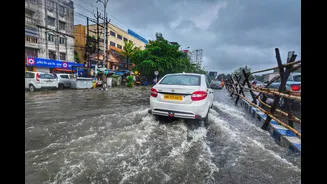
This Week’s Monsoon Disruptions
The India Meteorological Department (IMD) has forecast an active monsoon phase for the first week of August, with widespread rainfall expected across many parts of the country. Heavy to very heavy rainfall alerts have been issued for northeastern states
like Assam and Meghalaya, as well as eastern states including West Bengal and Bihar. Northwest India, including Himachal Pradesh and Uttarakhand, is also braced for heavy showers. Just this week, heavy rains have already battered parts of Kerala, causing authorities to warn of rising water levels in districts like Pathanamthitta. These sudden, intense spells of rain can lead to waterlogging, transport delays, and even flash floods, turning a well-planned trip on its head. It’s a classic monsoon problem that can leave travellers stranded or forced to cancel.
What 'Flexible' Really Means for Your Booking
A flexible booking is essentially a safety net for your travel plans. Unlike rigid, non-refundable rates that lock you in, flexible options allow you to change or cancel your hotel reservation without incurring heavy penalties. The most common feature is free cancellation, typically available up to 24 or 48 hours before your scheduled check-in time. Some policies also allow you to change the dates of your stay without a fee, though the room rate might differ. This adaptability is crucial when dealing with uncertainties like weather, but also for unexpected work demands or family emergencies. It’s about giving you control over your investment and peace of mind when things don't go as planned.
The Financial Sense Behind Flexibility
Paying a little extra for a flexible rate might seem counterintuitive for budget-conscious travellers, but it can be a financially savvy move. Think of it as a small premium for insurance. If a sudden downpour or a landslide closes the roads to your destination, a non-refundable booking means you lose the entire amount. With a flexible policy, you can cancel within the specified window and get a full refund, saving you from a total loss. This prevents you from being trapped in a reservation you can't use. Over the long run, avoiding a single costly cancellation can easily offset the slightly higher price of flexible rates on several trips, reducing both financial risk and travel-related stress.
How to Find and Use Flexible Options
Finding flexible travel options is easier than ever. Most major online travel portals like Booking.com and Expedia have prominent filters such as “Free cancellation” or “Book now, pay later.” When you apply these filters, the search results will only show properties that offer this adaptability. However, it's crucial to read the fine print. 'Flexible' isn't a universal standard; one hotel might allow cancellation up to 24 hours before arrival, while another requires 72 hours' notice. Always check the exact terms and conditions before confirming your booking to understand the cancellation window and any potential prepayment requirements. Some policies might require a credit card to hold the room but won't charge you until closer to your stay, which also helps with managing your travel budget.
Beyond Check-In: A Mindset for Modern Travel
The principle of flexibility extends beyond just hotel bookings. During monsoon season, it's wise to build a buffer day into your itinerary and choose destinations with a mix of indoor and outdoor attractions. Packing synthetic, quick-dry clothes, a waterproof backpack, and appropriate footwear can make a huge difference. But the most important shift is in mindset. Travel in the era of climate change and unpredictable events requires a more adaptable approach. Opting for flexible flights, where available, and having a 'Plan B' for your activities are no longer just for seasoned travellers but are smart strategies for everyone. Embracing flexibility means you're prepared for disruptions, allowing you to navigate them calmly and keep your travel experience positive.