






Go Beyond the Headline Interest Rate
The advertised interest rate is the first thing most borrowers see, but it doesn't tell the whole story. Rates in India can range from as low as 8% to over 26% per annum. Typically, public sector banks offer lower rates than private banks and Non-Banking
Financial Companies (NBFCs). However, the final rate you are offered depends on factors like the loan amount and tenure. Some lenders might offer a low 'teaser' rate that increases after a few months, so it is crucial to read the fine print. Always ask for the Annual Percentage Rate (APR), which includes most fees, to understand the total cost of borrowing, not just the interest. A loan with a slightly higher interest rate but lower fees might be cheaper overall.
Understand the Loan-to-Value (LTV) Ratio
The Loan-to-Value (LTV) ratio determines how much money you can borrow against the market value of your gold. As per Reserve Bank of India (RBI) guidelines, lenders can typically offer a maximum LTV of 75% of your gold's assessed value. For example, if your jewellery is valued at ₹1,00,000, you can borrow up to ₹75,000. This ratio is crucial because it directly impacts your loan amount. While a higher LTV allows you to access more funds, some lenders might charge a higher interest rate to compensate for their increased risk. Conversely, opting for a lower LTV than you're eligible for may help you secure a better interest rate.
Uncover Processing Fees and Hidden Charges
A low interest rate can be misleading if the loan comes with numerous extra charges. Be sure to inquire about all potential costs, which can significantly increase your total repayment amount. Common charges include processing fees, which typically range from 0.5% to 2% of the loan amount, and valuation or appraisal fees for testing your gold's purity. Other potential costs are documentation charges, secure storage fees, and prepayment penalties if you decide to close the loan early. Always ask for a detailed breakdown of all applicable charges before signing any agreement to avoid surprises.
Evaluate Repayment Flexibility
Different lenders offer various repayment structures, and choosing the right one is key to managing your finances without stress. The most common option is the Equated Monthly Instalment (EMI), where you pay back both principal and interest every month, which is ideal for salaried individuals. Other options include paying only the interest monthly and the principal amount at the end of the tenure. A 'bullet repayment' plan allows you to pay the entire principal and accumulated interest in a single payment at the end of the loan term, which can suit business owners or those expecting a lump sum payment. Assess your cash flow and choose a plan that aligns with your financial situation.
Check Lender Credibility and Security
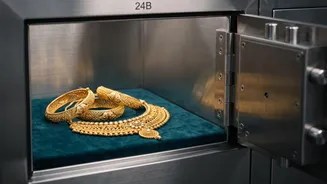
Since you are pledging valuable assets, the lender's credibility is paramount. Ensure you are dealing with an RBI-regulated bank or NBFC. This provides a layer of protection and ensures the lender follows standardised rules for valuation and gold safety. Ask about the security measures in place for storing your pledged jewellery. A reputable institution will have clear policies on secure storage in vaults and insurance for your gold. Also, consider the lender's customer service and the speed of loan disbursal. A transparent and efficient process can make a significant difference, especially when you need funds urgently.