





From Nations to Boardrooms: The New Space Race
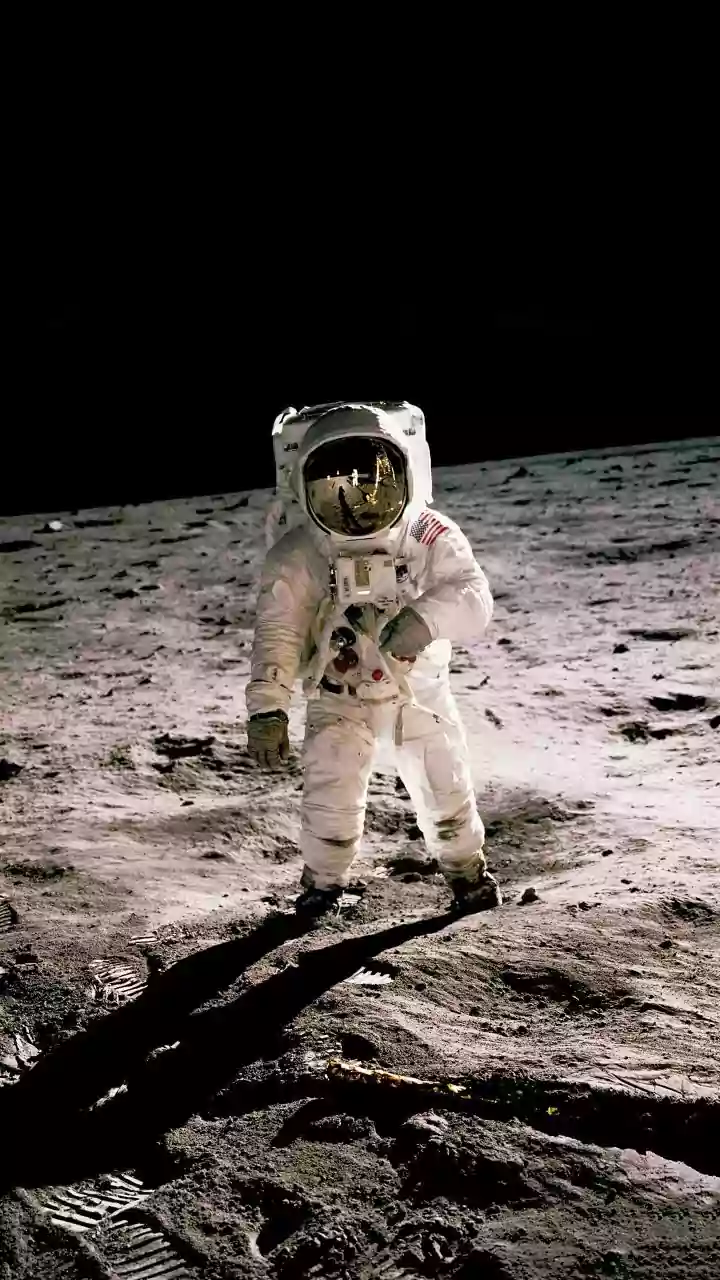
For decades, the story of space exploration was a tale of two nations: the USA and the Soviet Union. Today, the narrative is far more complex and crowded. A pivotal shift has occurred, moving the centre of innovation from government agencies to private
enterprises. [2] Companies founded by billionaire visionaries, like Elon Musk's SpaceX and Jeff Bezos's Blue Origin, have disrupted the traditional model. [5, 8] This new era, often called 'NewSpace,' is defined by commercial goals, competition, and a drive for efficiency that is dramatically lowering the cost of reaching orbit. [4, 5]
The Reusability Revolution
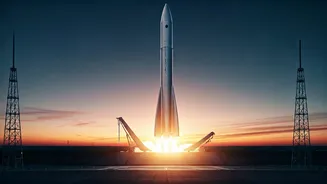
The single most important innovation driving this change is the reusable rocket. [3, 5] SpaceX, in particular, pioneered the technology of landing and relaunching orbital-class rocket boosters. [5] This achievement has been a game-changer, slashing the cost of launches by eliminating the need to build a new rocket for every mission. [3] Think of it as the difference between flying a disposable airplane and a commercial airliner. This breakthrough has not only made space more affordable for traditional clients like NASA and satellite operators but has also opened the door for entirely new business models. [5]
More Than Just Rocket Launches
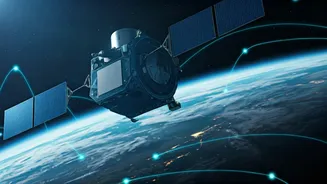
While rocket launches get the most attention, the private space ecosystem is diversifying rapidly. Companies are now involved in a wide array of activities. This includes building and operating massive satellite constellations like SpaceX's Starlink to provide global internet. [5] Others, like Virgin Galactic, are focused on the nascent market of space tourism, offering suborbital flights to paying customers. [6, 13] Furthermore, a new wave of companies is developing commercial space stations. [7, 19] For instance, California-based Vast plans to launch Haven-1, a standalone commercial station, as early as 2026. [15, 19] These private outposts could one day replace the International Space Station, serving as orbital labs and habitats. [19]
India's Private Space Sector Takes Flight
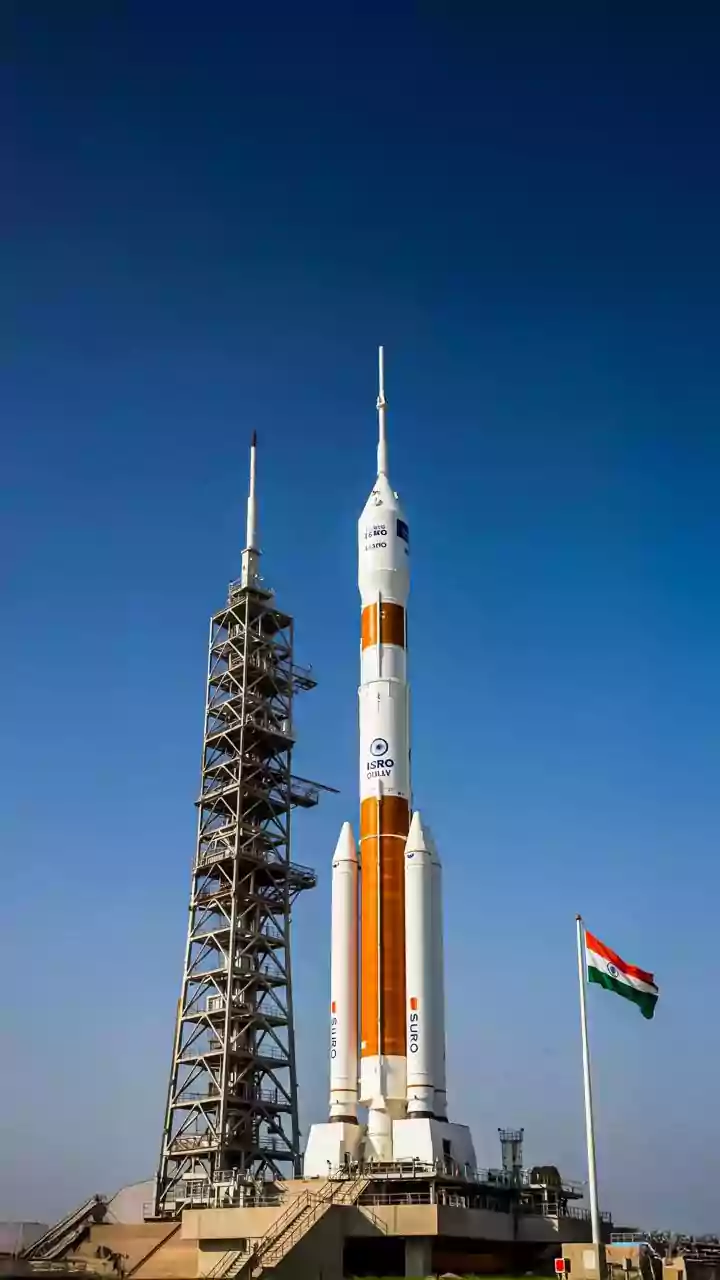
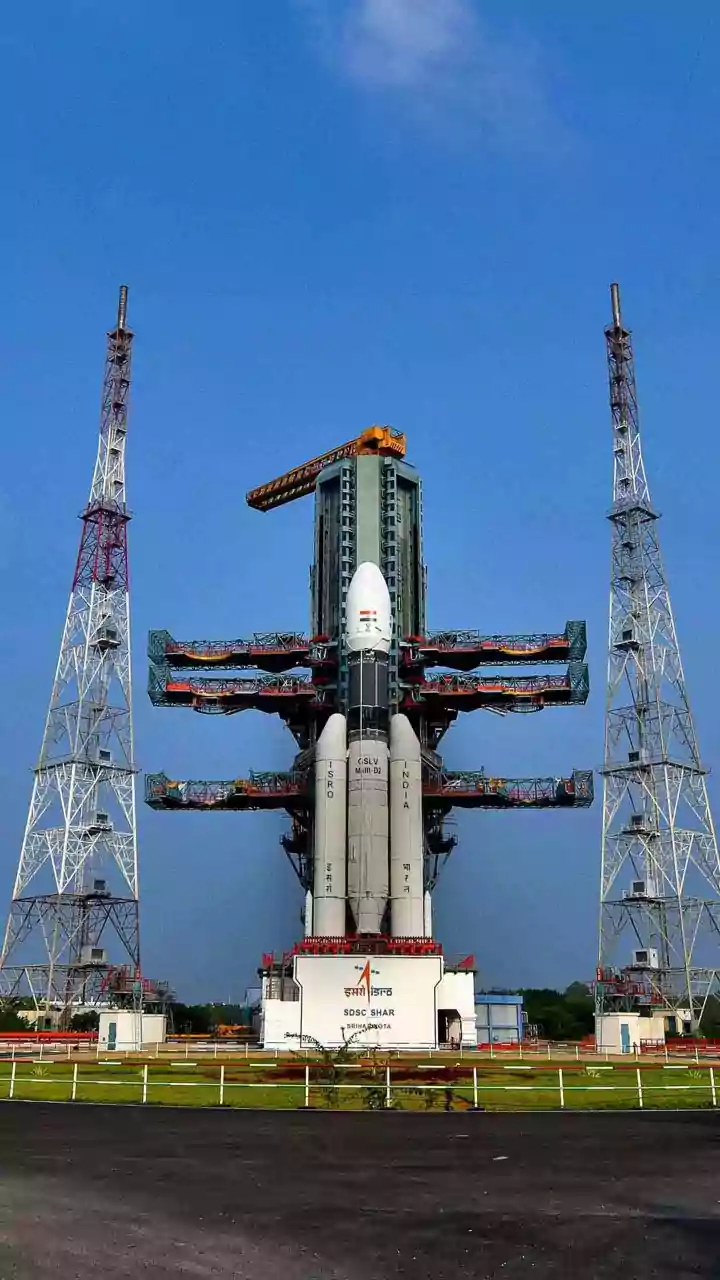
This global trend is strongly mirrored in India, where the space sector is undergoing a massive transformation. [21] Since opening the sector to private participation in 2020, India has seen the emergence of hundreds of space-related startups. [10, 11] The Indian government, through ISRO and its commercial arm NewSpace India Limited (NSIL), is actively fostering this ecosystem. [23] A landmark recent development is the decision to transfer the technology for its workhorse PSLV rocket to qualifying private Indian companies. [10] This move is designed to accelerate the growth of a domestic launch industry, giving firms access to a proven system instead of starting from scratch. [10] The goal is to grow India's space economy from around $9 billion today to $45 billion within a decade, significantly increasing its share of the global market. [21]
A New Era of Collaboration
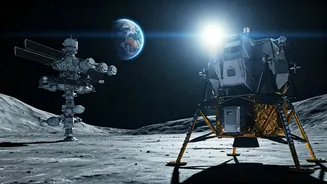
The rise of private enterprise does not mean the end of government space agencies. Instead, it marks a shift toward a new model of public-private partnership. [4] NASA, for example, now relies on companies like SpaceX to ferry astronauts and cargo to the International Space Station, saving taxpayer money that can be redirected toward more ambitious deep-space missions like the Artemis program to return to the Moon. [4, 5] Similarly, ISRO aims to transition from being the sole operator to an enabler, allowing private firms to handle routine launches and satellite operations. [12] This symbiotic relationship allows national agencies to focus on pioneering research and exploration, while private industry drives efficiency and commercialises proven technologies. [8]