



1. Anchor Zones With Contrasting Rugs
The floor is your fifth wall and the largest canvas you have for creating separation. Using area rugs is one of the most effective ways to define zones visually and underfoot. The key is to use rugs with different textures to signal a change in function.
For your living area, choose a durable, low-pile rug like jute or sisal to anchor your sofa and coffee table. This creates a robust, high-traffic zone. For the sleeping area, opt for something plush and soft, like a high-pile wool or a faux-fur rug. Stepping from a coarse living room rug onto a soft bedroom rug sends a powerful tactile signal to your brain that you have moved into a space for rest and relaxation. Make sure the rugs are large enough to contain the key furniture in each zone; for example, the front legs of your sofa should be on the rug to make the space feel intentional.
2. Create a Feature Wall with Tactile Treatments
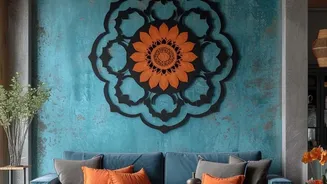
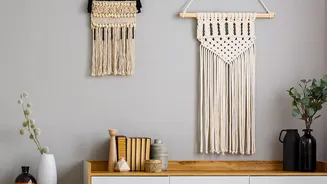
Dedicating one wall to a specific texture can instantly create a focal point and define a zone. This works especially well for a wall behind a bed or a desk. For a cozy, warm sleeping nook, consider a modern take on wood paneling, such as trendy fluted or slatted panels. These add architectural interest and can also help with sound absorption. Another popular option is using peel-and-stick textured wallpaper, which is a renter-friendly way to get the look of exposed brick, grasscloth, or even marble without a permanent commitment. For a softer touch, a large fabric wall hanging or tapestry behind the bed not only adds texture and colour but also dampens sound, making the sleep zone feel more serene and enclosed. Even a coat of limewash or Venetian plaster paint can provide a subtle, dimensional finish that separates a wall from the rest of the flat-painted surfaces.
3. Layer Textiles on Furniture
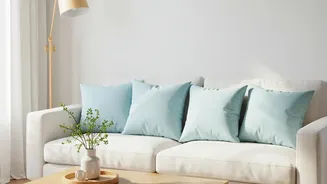
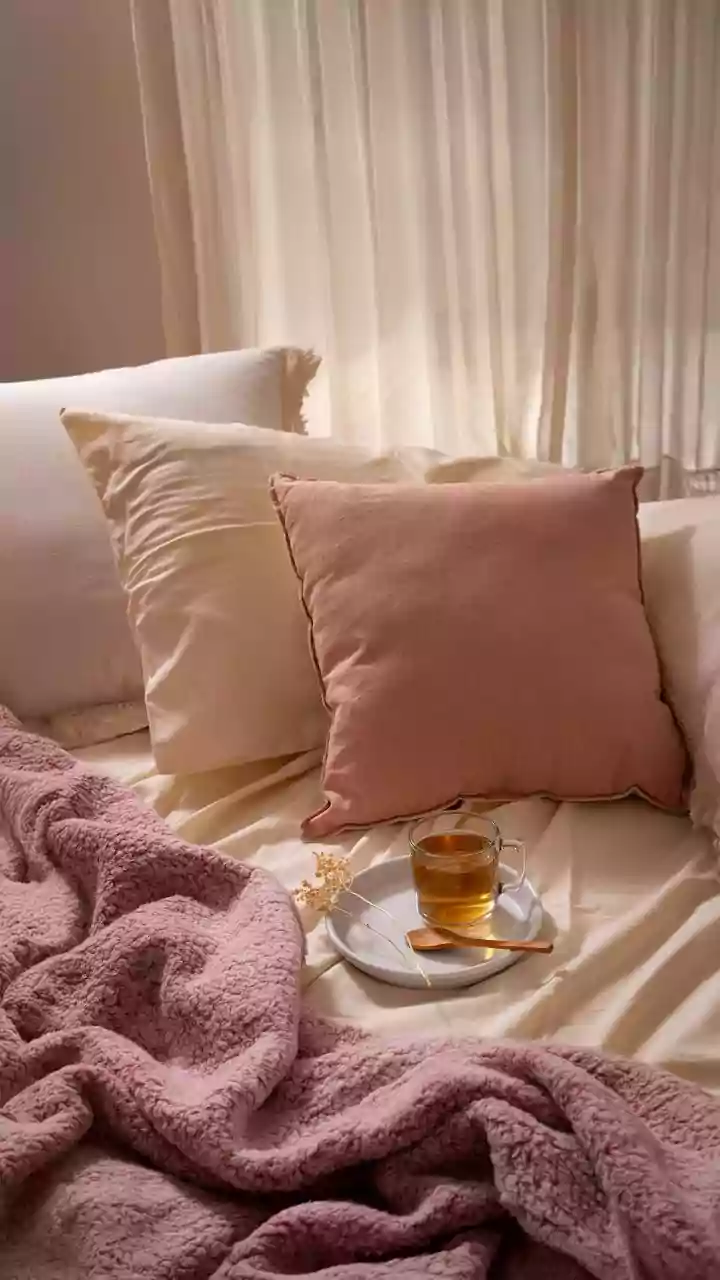
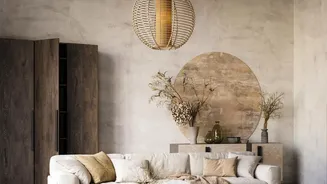
Think of your furniture as an opportunity for micro-zoning through textiles. The way you dress your sofa should feel different from the way you dress your bed. In the living area, layer cushions with varied but durable covers—think woven cotton, tough linen, or even a touch of leather. Drape a lightweight throw over the arm of the sofa. For the sleeping zone, lean into pure comfort. Layer pillows in soft, inviting materials like velvet, silk, or chunky knits. A plush, oversized duvet or a heavy woven quilt clearly signals that the bed is a retreat for comfort, distinct from the more public-facing living zone. This mix of materials not only adds visual depth but makes each zone feel unique to the touch.
4. Differentiate with Window Dressings
If your studio has multiple windows, treating them differently according to their zone can be a subtle but effective strategy. In the living area, you might opt for light and airy linen or sheer curtains that prioritise natural light and maintain a sense of openness. This signals a space that is active and connected to the outdoors. For the sleeping area, however, function is key. Using heavier, blackout curtains or a layered approach with a sheer curtain and a solid blackout blind provides privacy and light control. This practical difference also serves as a visual cue, with the heavier fabric creating a cozier, more enclosed feeling around the bed, reinforcing its purpose as a private space for rest.
5. Group Natural Textures and Plants
Create a dedicated zone, like a reading nook or a small workspace, by clustering items with strong natural textures. Use a rattan or woven screen to partially shield a desk, creating a semi-private office corner. Grouping houseplants is another fantastic way to add texture and life. Combine plants with different leaf shapes and textures—the waxy leaves of a fiddle leaf fig, the feathery fronds of a fern, and the smooth surface of a snake plant—to create a lush, living corner that feels separate from the main living space. Enhance the effect with woven baskets for plant pots, a small wooden stool, and a woolly sheepskin throw on a chair. This combination of wood, plant life, and woven materials forms a small, nature-inspired vignette that feels like a distinct and calming escape within the larger room.