
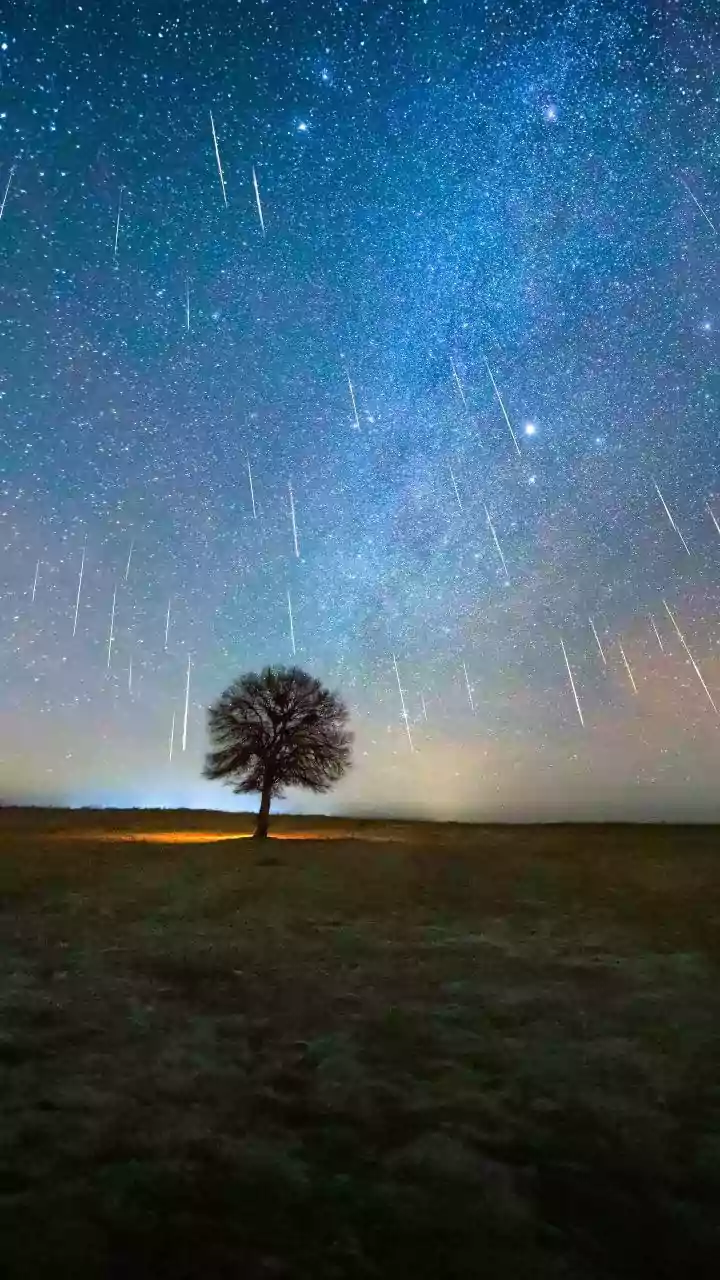


An Autumn Sky Full of Shooting Stars
Tonight offers a wonderful opportunity for some casual stargazing. While the headline mentions the Orionids, it's important to know that this famous shower, created by debris from Halley's Comet, actually has its main peak in late October. However, the Orionid shower is active
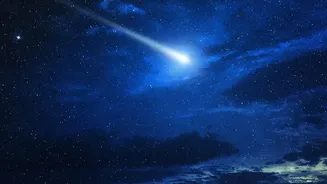
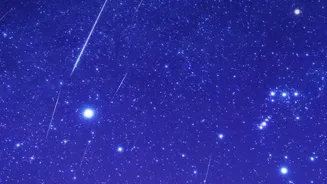
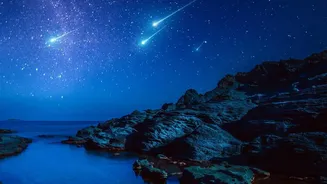
over a long period, from early October to early November, so it's possible to spot an early straggler. More likely, what you'll see tonight is a mix of early Southern Taurid meteors, which are active from September through November, and the tail end of the September Epsilon Perseids. These showers may not be as intense as the main events, but they still promise the magic of a shooting star. These streaks of light are simply tiny bits of cosmic dust burning up as they hit Earth's atmosphere at incredible speeds.
How to Find a Suburban Dark Spot
You don't need to drive for hours to escape city glow completely. A good 'suburban dark spot' is any location that minimizes direct light pollution. Think of a local park, a school field after hours, or even your own backyard if you can block out streetlights and porch lights from your view. The key is to find a spot with a wide, open view of the sky, away from the glare of immediate artificial lighting. The darker the location, the more faint meteors you will be able to see. It takes your eyes about 20 to 30 minutes to fully adapt to the darkness, allowing you to spot the fainter streaks of light. So, once you find your spot, commit to staying in the dark and avoid looking at your bright phone screen.
The Best Time to Look Up Tonight
Patience and timing are everything when it comes to meteor watching. The best views for almost any meteor shower are typically in the hours after midnight and before the first light of dawn. This is because, after midnight, your side of the Earth is rotating into the stream of meteoroid debris, much like how a car's front windshield collects more raindrops than the back. While you can start looking any time after it gets truly dark, your chances will increase significantly later in the night. The September Epsilon Perseids, for example, are best viewed from the Northern Hemisphere when the radiant point in the constellation Perseus is high in the sky. Don't worry about staring at one specific point; meteors can appear anywhere.
What You Need (and What You Don't)
The beauty of a meteor shower is its simplicity. The only essential tool you need is your own eyes. Telescopes and binoculars are actually not recommended because they narrow your field of view, and you want to see as much of the sky as possible to catch the fleeting meteors. Instead of optics, focus on comfort. Bring a reclining lawn chair or a thick blanket to lie on the ground. This will save you from a sore neck. As the night cools down, you’ll be glad you brought warm layers of clothing, a hat, and maybe even a thermos of a warm beverage. Pack some snacks and enjoy the quiet moments between sightings.
Managing Your Expectations
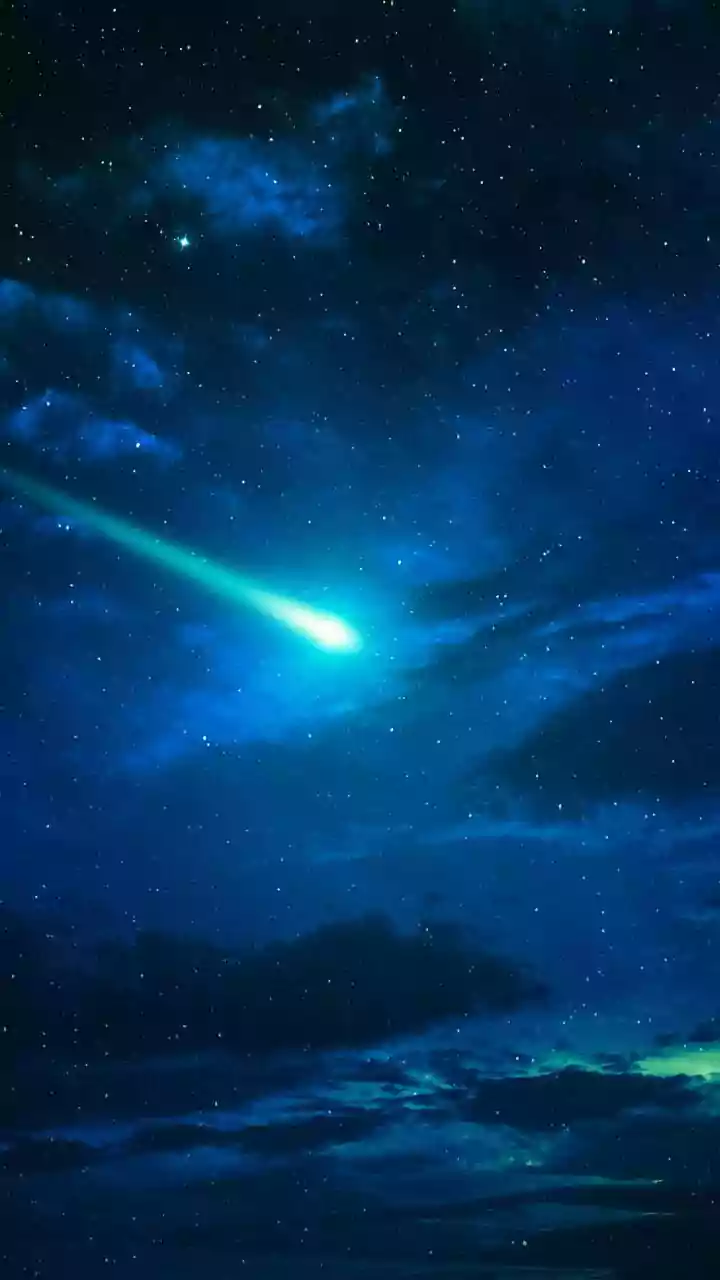
It's important to have realistic expectations. Watching a minor meteor shower is not like a fireworks finale. You won't see a constant downpour of shooting stars. On a good night during a minor shower, you might see a handful of meteors per hour. Some will be faint, quick flashes, while others might be brighter, more dramatic streaks that leave a glowing trail called a train. The Southern Taurids, which are active now, are known for producing a high percentage of bright fireballs. The key is to be patient. Consider it a peaceful, meditative experience. Every meteor you spot is a unique and brief moment of cosmic magic, a tiny piece of a comet burning up beautifully for your viewing pleasure.