

Ghevar from Rajasthan
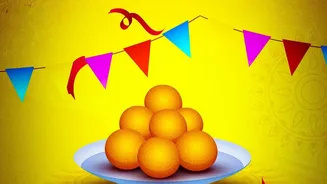
This disc-shaped sweet, resembling a honeycomb, is a quintessential Rajasthani delicacy, especially popular during the Sawan festivals of Teej and Raksha Bandhan. Made from a batter of flour and ghee that is skillfully fried to create its signature porous
texture, Ghevar is then soaked in sugar syrup. It’s often lavishly garnished with rabri (thickened sweet milk), slivered nuts, and saffron. This festive treat is not just a dessert; it's a cultural symbol, often gifted to married daughters as a blessing for a sweet life.
Kuttu ki Puri from Uttar Pradesh
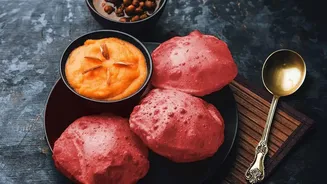
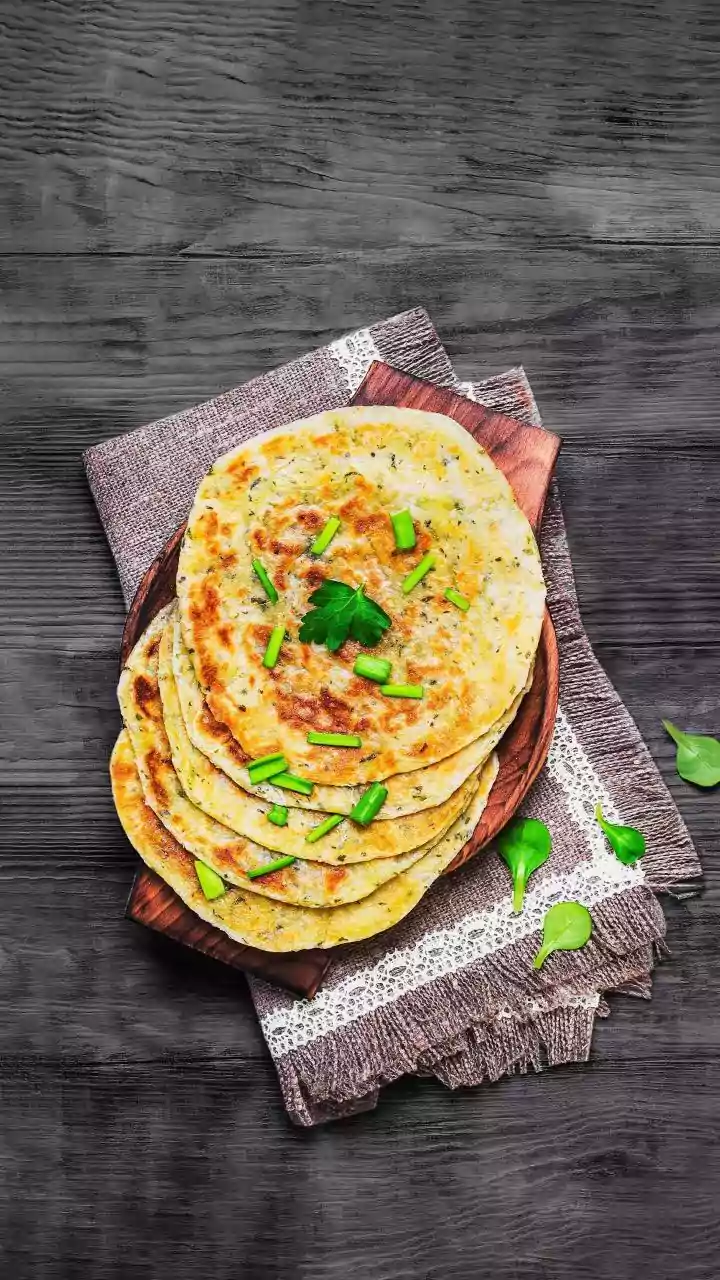
Across North India, especially in Uttar Pradesh, Sawan fasts are often broken with a plate of hot Kuttu ki Puri. Made from buckwheat flour (kuttu ka atta), these puris are naturally gluten-free and have a distinct nutty flavour. The flour is typically kneaded with mashed potatoes or arbi (colocasia) and seasoned with rock salt (sendha namak) before being deep-fried until crisp. These dark, crispy breads are the perfect companion to a simple, vrat-friendly aloo sabzi (potato curry), making for a deeply satisfying and traditional fasting meal.
Narali Bhat from Maharashtra
Narali Bhat, or sweet coconut rice, is a jewel of Maharashtrian cuisine prepared during Narali Purnima, a festival that coincides with Raksha Bandhan in the month of Shravan. This dish is especially significant for the coastal fishing communities, who offer coconuts to the sea god to mark the end of the monsoon and the safe beginning of the new fishing season. Fragrant basmati rice is cooked with fresh grated coconut, jaggery, and aromatic spices like cloves and cardamom, creating a deliciously sweet and festive one-pot meal.
Taler Bora from West Bengal
Come late monsoon in Bengal, and it's officially Taler Bora season. These sweet, deep-fried fritters are made from the pulp of the ripe sugar palm fruit (tal), which is harvested during this time. The pulp is mixed with rice flour, semolina, grated coconut, and sugar or jaggery to form a thick batter. Small dollops are then fried until they turn a dark golden-brown, resulting in a crispy exterior and a soft, flavourful inside. Taler Bora is a beloved delicacy, often prepared as a special offering for Janmashtami, which also falls during Sawan.
Farali Patra from Gujarat
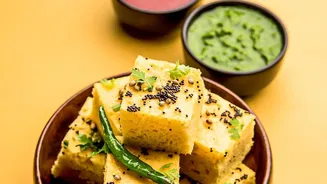
Gujarat's famous patra gets a fasting-friendly makeover during Shravan to become Farali Patra. Instead of gram flour, this version uses a blend of 'farali' or fasting flours like amaranth (rajgira) or water chestnut (singhara) flour to create the spiced paste. This paste, which is sweet, spicy, and tangy, is spread over colocasia leaves, which are then rolled, steamed, and cut into slices. The pieces are often tempered with cumin seeds and sesame, resulting in a complex and delightful snack that proves fasting food is anything but boring.
Hayagreeva Maddi from Karnataka
A traditional sweet from the Udupi-Madhwa Brahmin community in Karnataka, Hayagreeva Maddi is a rich and comforting dessert. It's essentially a halwa made from chana dal (Bengal gram), which is cooked until soft but not mushy. This is then slow-cooked with jaggery, grated coconut, ghee, and flavored with cardamom and cashews. According to legend, the dish was first created by a saint as an offering for Lord Hayagreeva, an avatar of Vishnu, after which it is named.
Arsa from Uttarakhand
From the hills of Uttarakhand comes Arsa, a traditional sweet that is a staple at festivals and celebrations. With a history stretching back centuries, this simple delicacy is made from just a few core ingredients: rice flour, jaggery, and oil or ghee for frying. The rice is soaked, ground into flour, and then mixed with a thick jaggery syrup to form a dough. Small, flattened balls are deep-fried until they are perfectly browned. The result is a delightful treat with a long shelf life, making it a perfect symbol of festive generosity in the Pahari region.