


Gather Your Simple Stargazing Kit
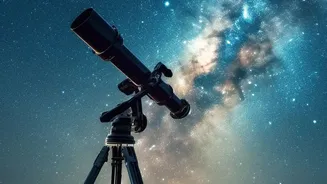
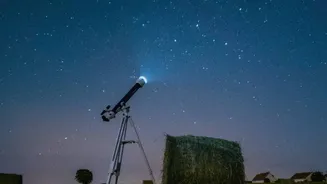
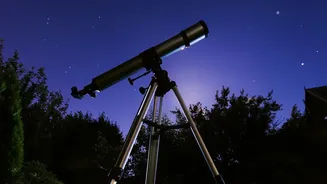
You don’t need an expensive telescope to have a fulfilling stargazing experience. The most essential tool is a dark location, but a few simple items can significantly enhance your viewing. Start with a comfortable blanket or a reclining chair. A pair
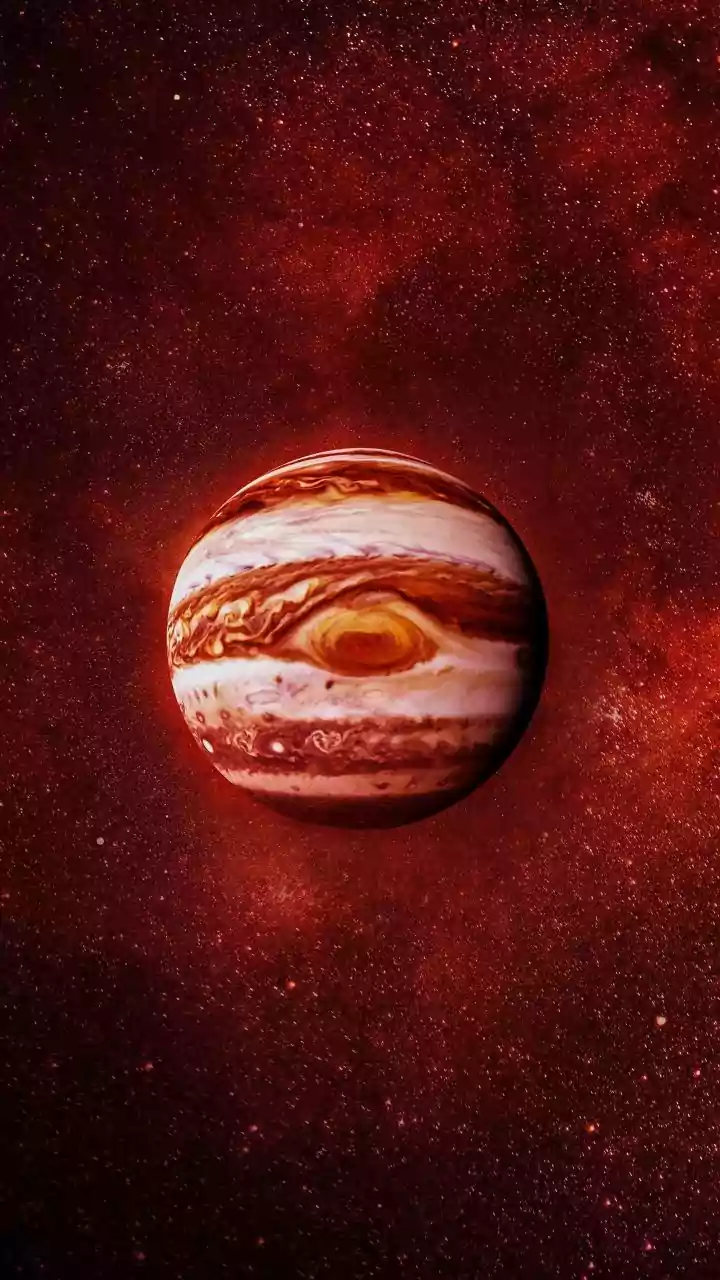
of standard binoculars can reveal surprising details, like the craters on the Moon or the moons of Jupiter. To preserve your night vision, use a red-light torch instead of a bright white one; you can easily make one by covering a regular torch with red paper. Finally, consider downloading a stargazing app on your phone. Apps like Star Walk 2 can help you identify planets, constellations, and satellites in real-time simply by pointing your phone at the sky.
Mark Your Celestial Calendar
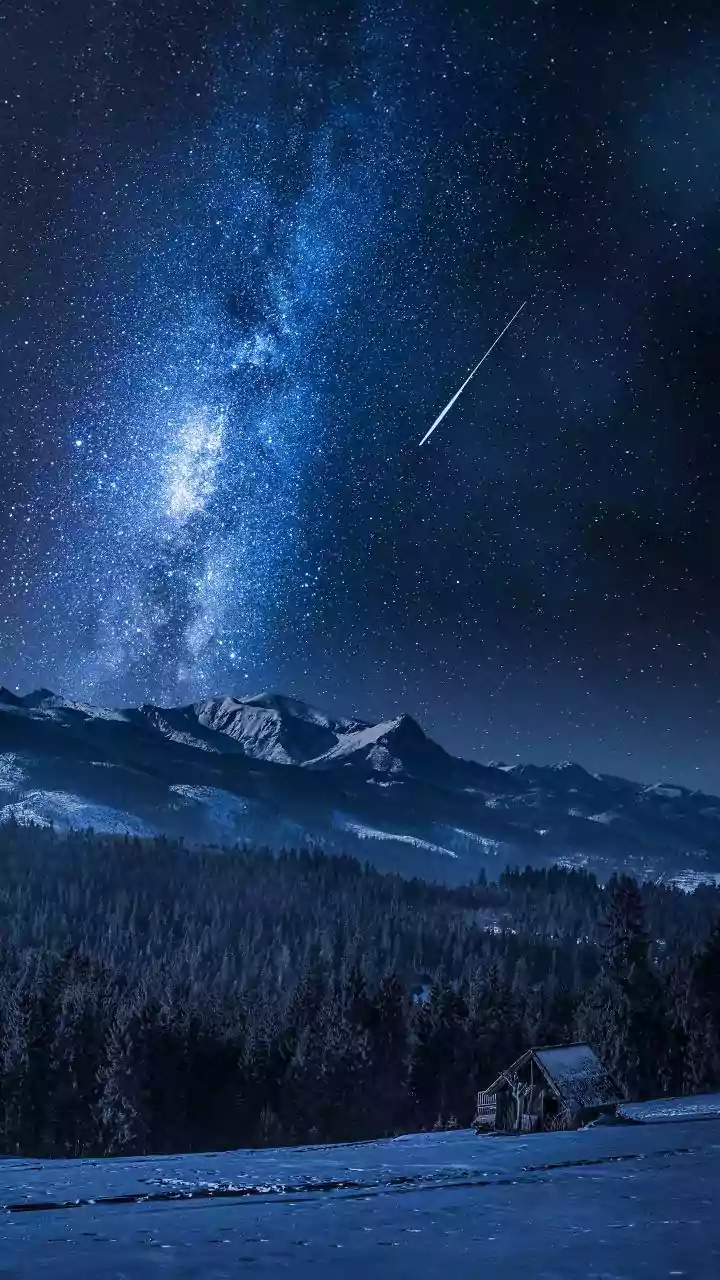
The end of August 2026 is particularly special for sky-watchers. While the famous Perseid meteor shower peaks earlier in the month, its activity continues until around August 24, so you may still catch some shooting stars in the days following the peak. The main event in late August is a deep partial lunar eclipse on the night of August 27-28. During this event, about 96% of the Moon will pass through Earth's dark shadow, which may give it a reddish, coppery glow. This impressive lunar event will be widely visible. Then, on the nights of August 30-31, look for the Moon to make a close approach to the ringed planet, Saturn. The pair will rise in the eastern sky a couple of hours after sunset and travel together across the night.
Choose Your Viewing Spot Wisely
The single most important factor for a great stargazing session is getting away from light pollution. City and suburban skies are often washed out by artificial lights, hiding all but the brightest stars and planets. To find a truly dark sky, you may need to drive for an hour or so away from urban centres. Look for parks, conservation areas, or designated dark-sky reserves. In India, locations like Hanle in Ladakh, Spiti Valley, and the Rann of Kutch are renowned for their pristine skies. For those closer to cities, even finding a local park, a large field, or a quiet beach can make a significant difference. The goal is to find a location with an unobstructed view of the horizon, especially if you're trying to spot objects rising or setting.
Know the Late Summer Constellations
The late August sky is dominated by the Summer Triangle, an unmissable asterism formed by three bright stars from three different constellations: Vega in Lyra (the Lyre), Deneb in Cygnus (the Swan), and Altair in Aquila (the Eagle). If you are in a dark enough location, you can see the Milky Way galaxy stretching right through the Summer Triangle. Look for the distinctive 'W' shape of Cassiopeia in the northeast and the hooked shape of Scorpius, with its bright red star Antares, low in the southwest. Saturn will be a prominent sight, rising in the east after sunset. Mars and Jupiter will also be visible, rising in the hours before dawn.
Master the Art of Seeing in the Dark
Once you've arrived at your chosen spot, your eyes will need time to adjust to the darkness. It takes about 20 to 30 minutes for your pupils to fully dilate and for you to achieve true night vision. During this time, avoid looking at any bright screens, especially your phone, unless it has a red-light mode. When looking for faint objects like nebulae or distant galaxies through binoculars, try using a technique called averted vision. Instead of staring directly at your target, look slightly to the side of it. This uses the more light-sensitive peripheral cells in your retina, often making faint objects pop into view. Patience is the key; the longer you spend under the stars, the more you will see.