



The Kitchen Revolution
A decade ago, the air fryer was a niche appliance in India, but it has quickly become one of the fastest-growing categories in the kitchenware market. Driven by a post-pandemic wave of health consciousness, consumers are actively seeking ways to reduce
oil in their diets without sacrificing flavour. The air fryer offers a compelling solution: the ability to achieve a deep-fried texture using circulating hot air and significantly less oil. For many, it's a way to enjoy favourites like samosas, pakoras, and tikkis more regularly. The Indian air fryer market was valued at approximately ₹600-700 crore in 2025 and is projected to continue its strong growth, with millions of units sold annually.
Managing Expectations: Crunch vs. Tradition
Can an air-fried samosa truly replicate one that's been submerged in a kadai of hot oil? The answer is complex. While air fryers excel at creating a crispy, golden-brown exterior, the texture is not identical. An air-fried snack is often described as lighter and less greasy, but it may lack the specific flaky, blistered texture that comes from deep frying. However, for many users, this is a welcome trade-off. The key is to see it not as a perfect replacement, but as a fantastic alternative that allows for healthier indulgence. It’s about enjoying the flavours you love, prepared in a new, lighter way. An air-fried snack can have up to 80% less fat than its deep-fried counterpart.
Mastering the Air-Fried Samosa
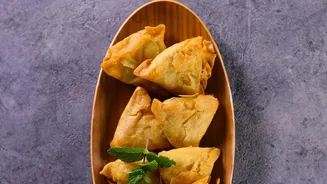
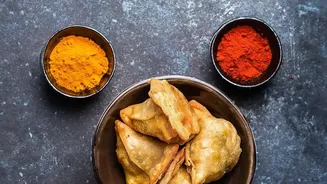
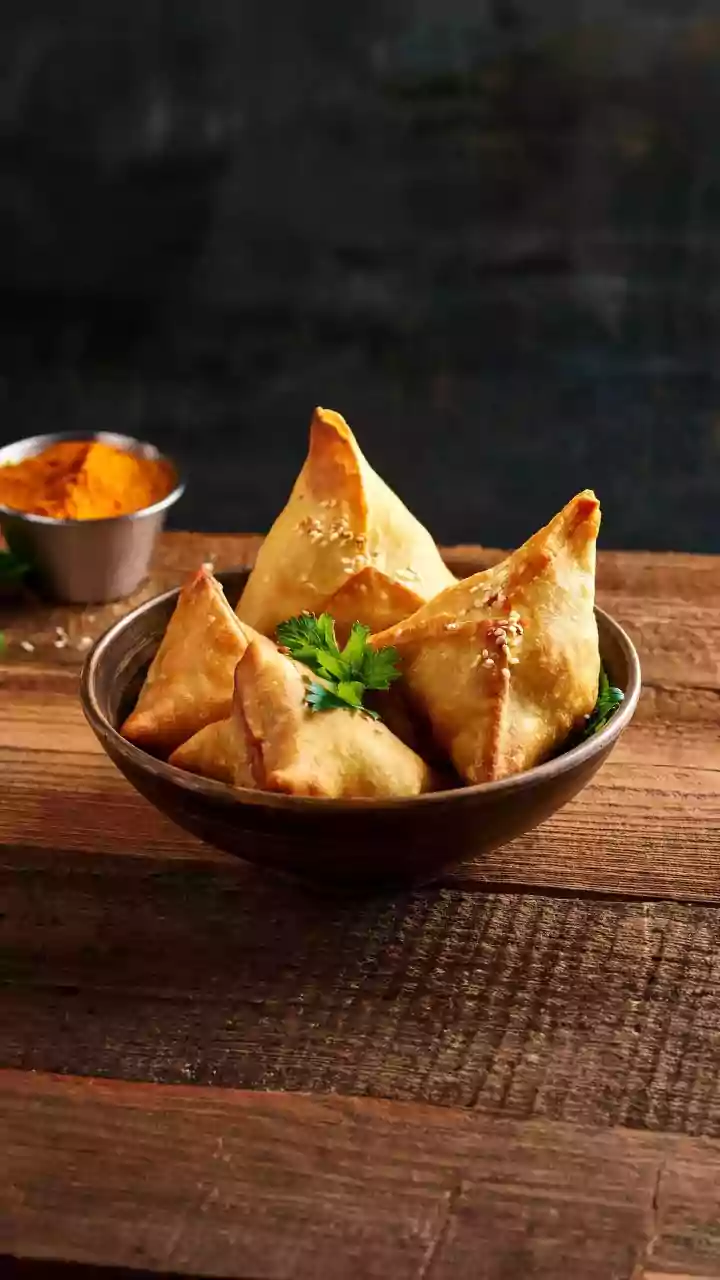
The samosa is the ultimate test. To achieve a great result, a few rules apply. First, the dough should be stiff; a soft dough can puff up and break. Whether you are using homemade or frozen samosas, a light brush or spray of oil is crucial for achieving that golden colour and crispiness. Don't overcrowd the basket, as this prevents hot air from circulating freely and leads to uneven cooking. A general guideline is to preheat your air fryer to around 180-190°C and cook for 12-16 minutes, flipping the samosas halfway through. The final product should be satisfyingly crisp on the outside with the familiar spiced potato and pea filling hot and cooked through.
Beyond the Samosa: Other Snacks to Try
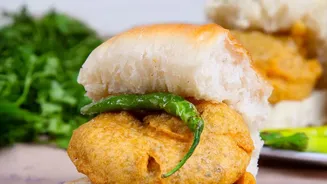
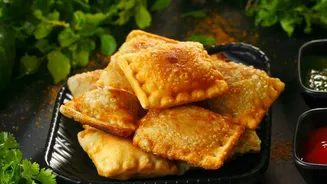
The air fryer's versatility extends to a wide range of Indian snacks. Aloo Tikki becomes wonderfully crisp on the outside and soft inside when air-fried at 200°C for about 12 minutes. For Pakoras, a traditionally wet-battered food, you’ll need to adapt. Instead of a runny batter, use a thicker coating of besan that clings to the vegetables, or use a standard breading procedure. You can also make spicy masala peanuts by coating raw peanuts in a mix of besan and spices and air frying them for about 10 minutes. Even stuffed chillies (mirchi bajji), coated lightly in a besan batter, can be successfully cooked in an air fryer. The key is experimenting with coatings and temperatures to find what works best.
Tips for Perfect Air-Frying
To convert your favourite deep-fried recipes, a good rule of thumb is to reduce the cooking temperature by about 15-25°F (or around 10-15°C) from what an oven recipe would suggest and reduce the cooking time by about 20%. Always preheat your air fryer for a few minutes for better results. During cooking, shake the basket or flip the items halfway through to ensure even browning. While the promise is “oil-free” cooking, a little oil goes a long way. A light spritz or brush of oil on the food (not the basket) helps with crisping and browning. Finally, remember that every air fryer is different, so it's always a good idea to check on your food a few minutes before the timer is up.