






The Sudden Getaway Boom
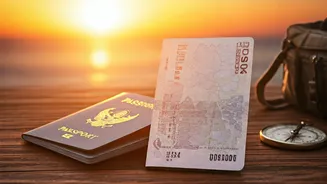
In late 2023, something shifted for Indian travellers. The dream of a last-minute international holiday, often tangled in paperwork and uncertainty, suddenly became a tangible reality. Following announcements from Thailand, Malaysia, and Sri Lanka offering
visa-free entry to Indian passport holders, travel platforms witnessed an immediate and dramatic spike in interest. Leading travel aggregators reported surges of 20-35% in search queries for these destinations virtually overnight. It wasn’t just idle browsing; bookings followed suit, confirming a genuine trend. Families, couples, and solo adventurers who previously might have planned a trip to Goa or Kerala were now spontaneously booking flights to Bangkok, Kuala Lumpur, and Colombo. This isn’t a slow-building wave; it’s a flash flood of enthusiasm, powered by the removal of one significant barrier.
Why the Visa Matters So Much
To understand this surge, one must appreciate the psychological weight of a visa application. It’s not just the cost, which can range from a few thousand rupees upwards. It’s the time, the documentation, and the gnawing uncertainty of approval. The process often required weeks of planning, gathering bank statements, proof of employment, and flight itineraries before you even knew if you could go. This administrative hurdle made spontaneous travel nearly impossible. By eliminating it, countries like Thailand and Malaysia have done more than just save travellers money; they have gifted them time and spontaneity. The decision to travel can now be made on a Wednesday for a Friday departure. This transforms a week-long international holiday from a major life event requiring meticulous planning into a casual, almost impulsive, choice.
A Perfect Storm for Travel
While visa-free access is the main catalyst, it’s arriving amidst a perfect storm of favourable conditions. Firstly, there's a strong, pent-up demand for travel following years of pandemic-related restrictions. Indian tourists are eager to explore, and their spending power has grown. Secondly, improved flight connectivity plays a crucial role. Airlines have been quick to ramp up services not just from metros like Delhi and Mumbai, but also from Tier-2 cities like Ahmedabad, Jaipur, and Lucknow. This accessibility makes Southeast Asia closer than ever before. Finally, there's the economic appeal. Even with airfare, a trip to Thailand or Malaysia can often be more budget-friendly than visiting certain premium destinations within India, offering perceived higher value for money in terms of experiences, shopping, and cuisine.
Hotspots on the Spontaneous Map
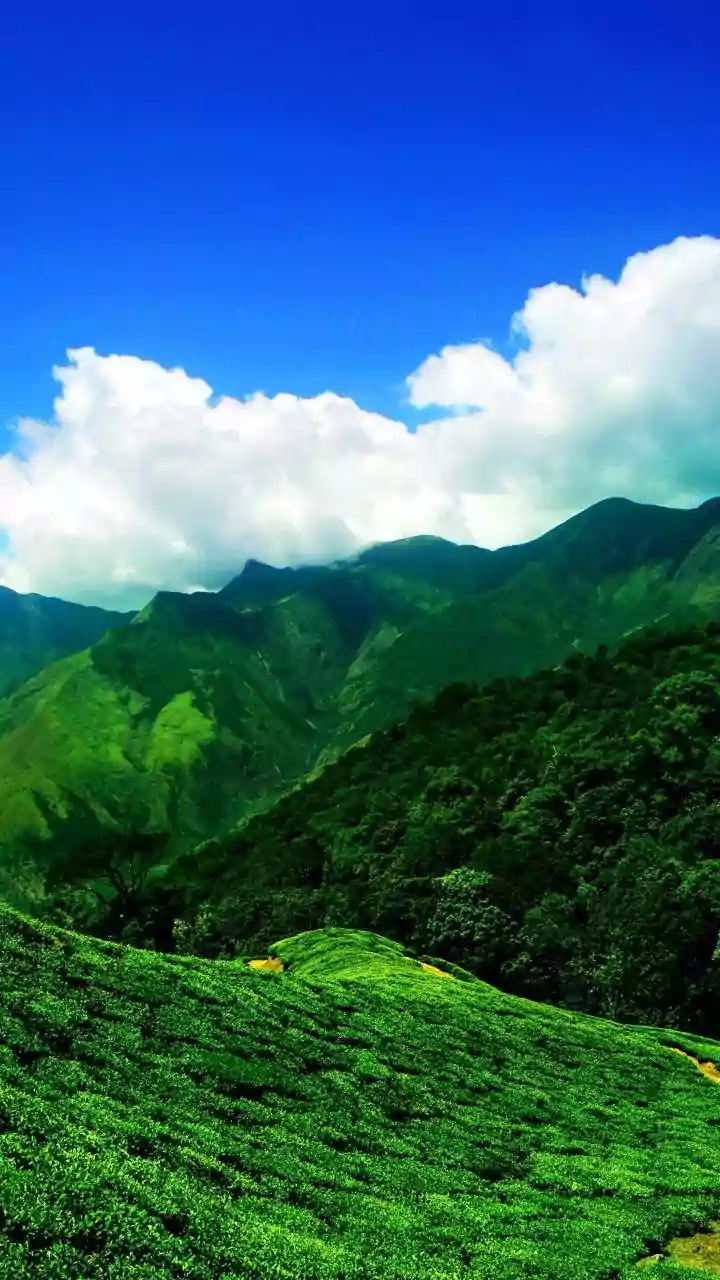
So, where is everyone going? In Thailand, the classic combination of Bangkok's vibrant street life and the serene beaches of Phuket and Krabi remains a powerful draw. Travellers are flocking to experience the world-renowned Thai cuisine, bustling night markets, and idyllic island-hopping tours. In Malaysia, Kuala Lumpur is a major hub, attracting visitors with its iconic Petronas Towers, diverse food scene, and shopping opportunities. Beyond the capital, destinations like Langkawi and Penang are popular for their beaches and rich cultural heritage. Sri Lanka, with its proximity and diverse offerings—from the ancient ruins of Sigiriya and the tea plantations of Nuwara Eliya to the surf-friendly southern coast—is also seeing a renewed influx of Indian tourists happy to bypass prior visa hassles. These destinations offer a compelling mix of culture, adventure, and relaxation, all within a few hours' flight.
A New Era for the Indian Traveller
This trend signifies more than just a temporary spike in numbers; it marks a fundamental shift in the mindset of the Indian traveller. The Indian passport is steadily gaining strength, and this newfound freedom is changing how people perceive international journeys. The long weekend trip abroad, once a privilege of the few, is becoming democratised. It reflects a growing confidence and a desire for global experiences. For millions, the world map just got a little smaller and a lot more accessible. This spontaneity is likely to influence future travel patterns, with a greater emphasis on short, frequent, and experience-rich international breaks over one big annual trip.