





From Goals to Global Stardom
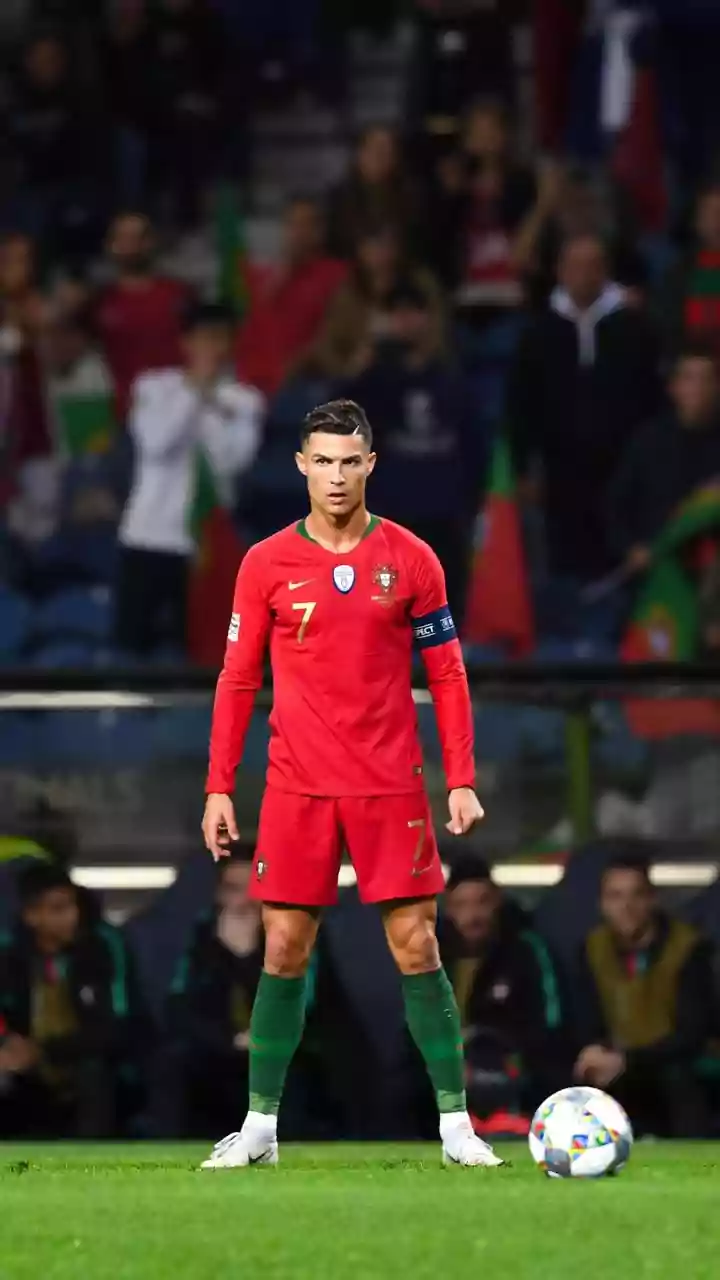
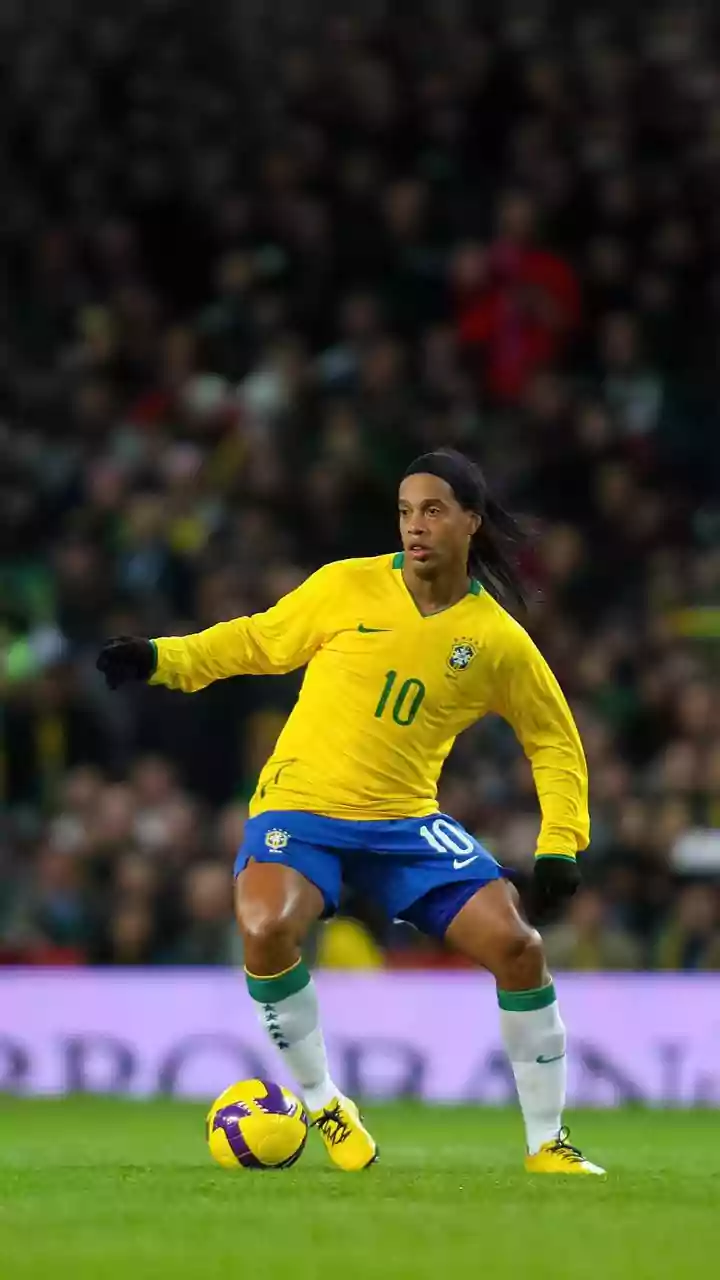
First, let's be clear: you can't become a cultural icon without being an exceptional footballer. On-field brilliance is the foundation upon which everything else is built. The mesmerizing dribbles of Lionel Messi, the relentless goal-scoring of Cristiano
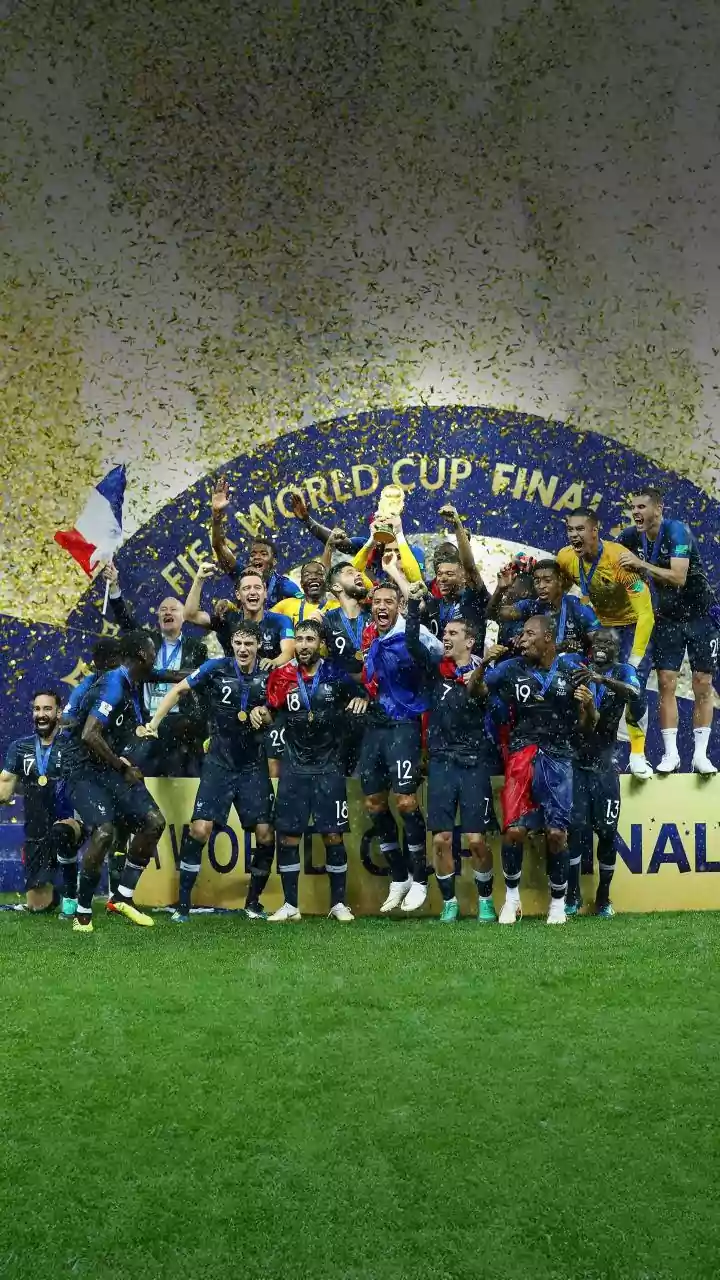
Ronaldo, or the once-in-a-generation talent of Pelé and Maradona created the initial spark. Their superhuman abilities on the world’s biggest stage—the FIFA World Cup, the UEFA Champions League—captured the imagination of billions. This excellence provides the critical ingredient: a massive, engaged global audience. Without the sporting greatness, there is no platform. But in the modern era, that platform is no longer the final destination; it's the launchpad.
The Beckham Blueprint
If one man wrote the playbook for turning athletic fame into cultural currency, it was David Beckham. In the late '90s and early 2000s, Beckham transformed the perception of a footballer. His talent was undeniable, but his influence exploded when he moved beyond the sports pages and onto the front covers of fashion and lifestyle magazines. His marriage to Spice Girl Victoria Adams created a celebrity power couple, merging the worlds of football and pop music. His ever-changing hairstyles became global trends. Endorsements with brands like Adidas, Pepsi, and Police weren't just about money; they were about integrating him into the fabric of popular culture. Beckham proved that a footballer's brand could be about style, family, and aspiration, not just athletic performance.
Building an Empire: The Ronaldo Model
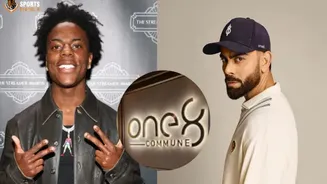
Cristiano Ronaldo took the Beckham blueprint and scaled it for the 21st century. He didn't just endorse brands; he built his own. The CR7 brand is an empire that spans everything from underwear and fragrances to hotels and gyms. This represents a crucial evolution: the player is no longer just a face for hire but the CEO of their own personal corporation. This shift was powered by a meticulous cultivation of his image—a symbol of peak physical fitness, discipline, and success. His record-breaking move to Saudi Arabia wasn't just a football transfer; it was a geopolitical and cultural event, demonstrating how the world's most famous players now wield influence that transcends club and country. This model is mirrored in other sports, with figures like Virat Kohli in India building a similar personal brand empire through ventures like Wrogn and One8, proving the formula is universally applicable.
The Power of the Personal Feed
The rise of social media revolutionised the game entirely. Platforms like Instagram, X (formerly Twitter), and TikTok gave players a direct, unfiltered channel to their fans. They no longer needed traditional media to tell their story. With hundreds of millions of followers, players like Ronaldo, Messi, and Neymar Jr. became their own media houses. They can share training clips, family photos, sponsored posts, and personal thoughts, creating a sense of intimacy and connection that was previously impossible. This direct line not only strengthens their brand but gives them immense leverage. A single post can reach more people than the primetime news, making them incredibly valuable partners for brands and powerful influencers in their own right.
Finding a Voice Beyond the Game
The final layer of modern iconography is purpose. In recent years, athletes have increasingly used their platforms to advocate for social change. Marcus Rashford's campaign against child food poverty in the UK forced government policy changes and earned him an MBE. Megan Rapinoe became a global voice for LGBTQ+ rights and equal pay. This evolution from athlete to activist adds a powerful dimension of substance to their celebrity. It shows they are not just commercial entities but citizens with convictions. By taking a stand, they risk alienating some fans but galvanise millions of others, cementing their status not just as stars to be admired, but as leaders to be followed. They become symbols of something bigger than sport, completing their transformation into true cultural icons.