



The Moody Pacific Northwest Gem
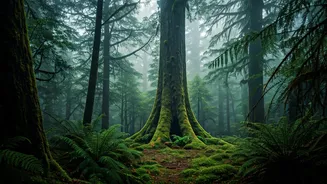
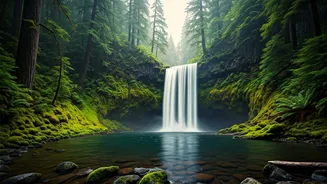
When Americans think of rainy beauty, Washington’s Olympic Peninsula is often the first place that comes to mind—and for good reason. This is a destination sculpted by water. The star attraction is the Hoh Rainforest, a temperate wonderland where ancient
Sitka spruce and western hemlock are draped in thick coats of moss and ferns. A walk here during a light drizzle is a sensory masterpiece; the forest floor becomes a carpet of glistening green, and the sound of raindrops pattering on the dense canopy is profoundly peaceful. The rain washes the air clean, leaving behind the rich, earthy scent of petrichor. Beyond the forest, the peninsula’s wild coastline, with beaches like Rialto and La Push, takes on a dramatic, brooding character under gray skies. Storm-watching here isn't a backup plan; it's a primary event.
The Ethereal Appalachian Mist
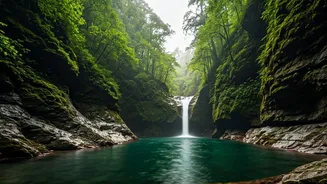
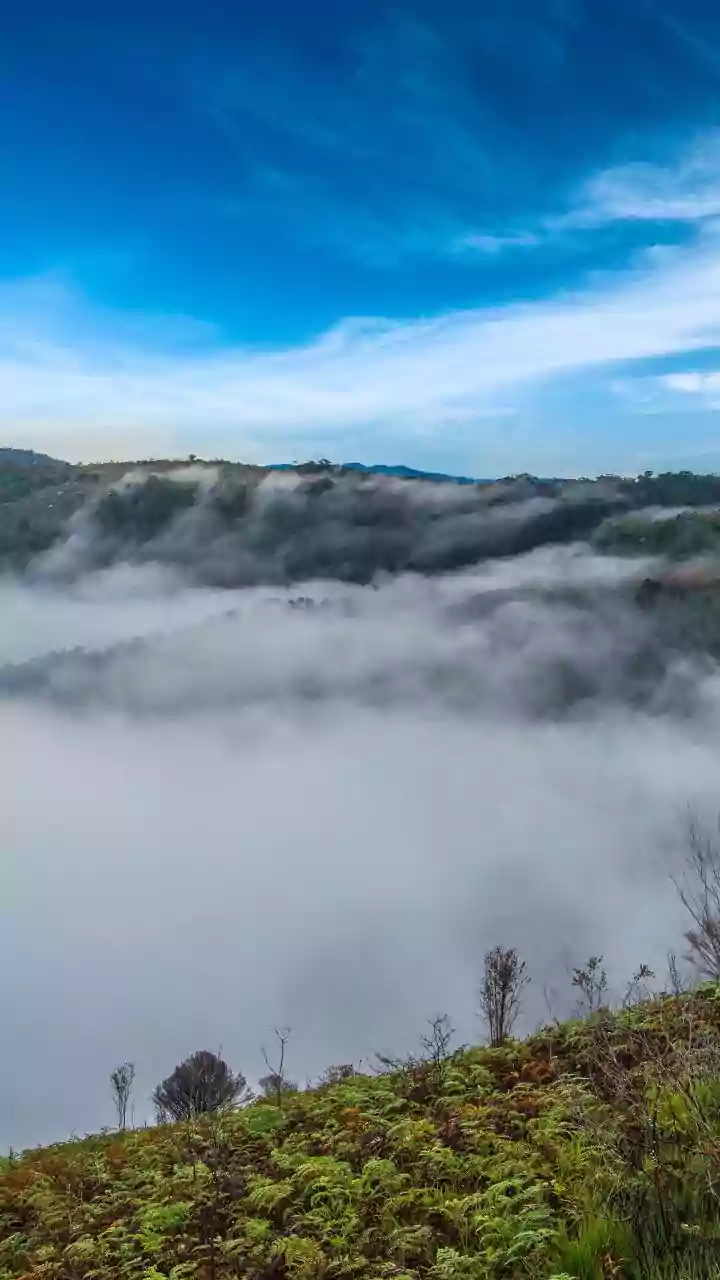
The Great Smoky Mountains National Park earned its name for a reason. The “smoke” is actually a persistent fog that clings to the valleys, a product of the region's abundant rainfall and dense vegetation. This is the most biodiverse park in the National Park System, and the rain is its lifeblood, feeding over 2,000 miles of streams and fueling the explosive growth of more than 1,500 types of flowering plants. After a downpour, the landscape transforms. Waterfalls like Laurel Falls or Grotto Falls, impressive on any day, become thunderous spectacles. The colors of the forest intensify, with greens and browns taking on a deep, saturated richness. The experience is completed by the region’s culture of coziness—holing up in a rustic cabin with a fireplace, watching the mist roll over the hills, is an iconic Appalachian pleasure.
The Vibrant Alaskan Rainforest
For some, the fact that Ketchikan, Alaska, receives over 13 feet of rain annually might sound like a deterrent. But in this southeastern Alaskan hub, rain isn’t just weather; it’s the engine of the entire ecosystem. Nestled within the Tongass National Forest—the largest temperate rainforest in the world—Ketchikan thrives on its wet climate. The constant precipitation feeds the lush landscape, creates powerful salmon runs that draw bears and eagles, and carves the dramatic fjords of Misty Fjords National Monument. Strolling down historic Creek Street, with its colorful wooden buildings on stilts over the water, is arguably more atmospheric in a light drizzle. The rain mutes the sounds of the town and reflects the boardwalk lights, creating a scene of quiet, rugged beauty unique to the Last Frontier.
The Lush Heart of the Garden Isle
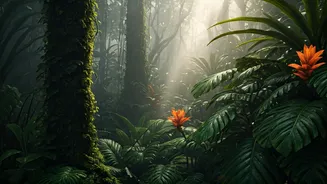
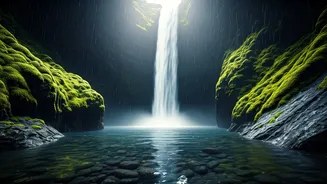
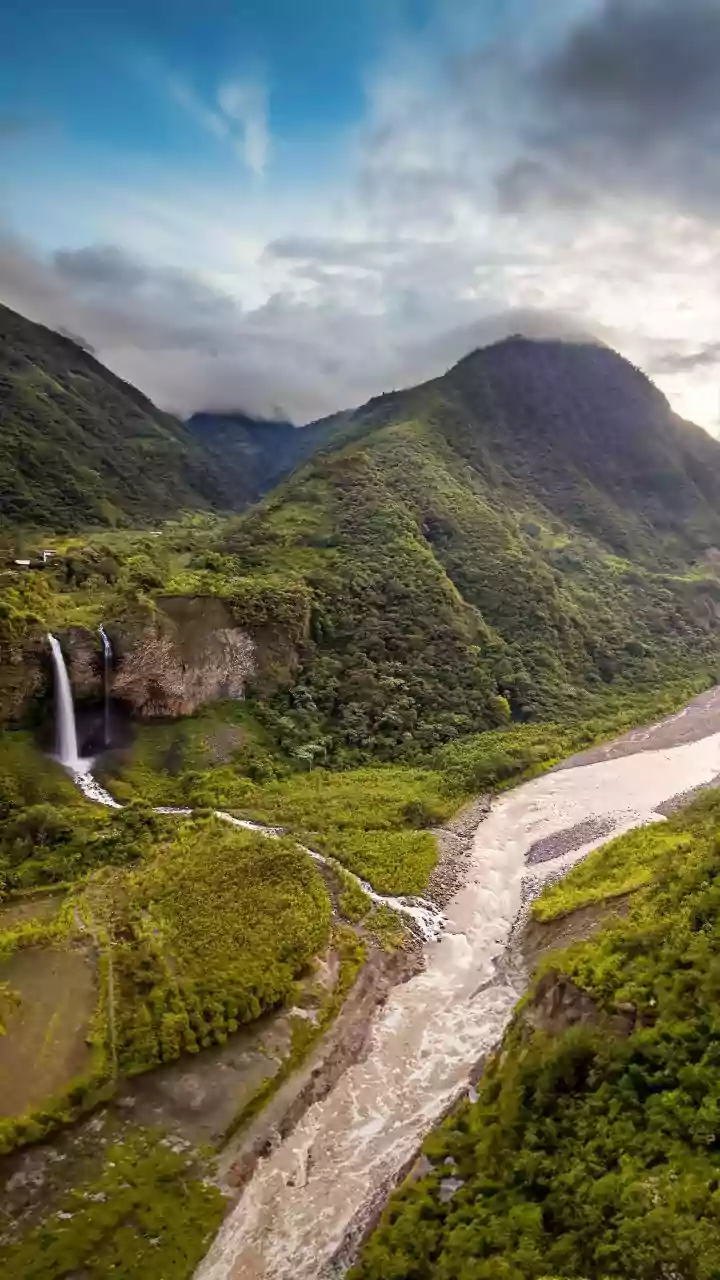
Hawaii is synonymous with sunshine, but the island of Kauai owes its famous nickname, “The Garden Isle,” to its prodigious rainfall. While the island’s coast offers plenty of sunny beaches, its interior is a different world. The central peak, Mount Waialeale, is one of the wettest spots on Earth, receiving an average of 450 inches of rain per year. This immense amount of water has carved the island's dramatic landscape, from the deep chasms of Waimea Canyon to the iconic fluted cliffs of the Nāpali Coast. The rain ensures that every inch of the island is covered in a verdant, tropical blanket and feeds the countless waterfalls that cascade down its mountainsides. A drive to Wailua Falls after a rainy morning or a helicopter tour over the water-slicked Nāpali cliffs reveals a primeval beauty that sunshine alone could never create.
A European City Built for Drizzle
For an international option, look no further than Bergen, Norway, a city that has fully embraced its famously wet climate. Surrounded by mountains, this coastal city sees rain more than 200 days a year. But instead of fighting it, the city’s culture has adapted to it. Cafes are filled with the warm, inviting spirit of “koselig” (a Norwegian concept of coziness), offering a perfect refuge from a shower. The city's main attraction, the UNESCO-listed Bryggen wharf with its colorful wooden Hanseatic houses, looks even more striking against a moody, gray sky. The slick cobblestones reflect the warm glow from shop windows, and the funicular ride up Mount Fløyen offers breathtaking views of the city and fjords shrouded in a delicate mist. In Bergen, rain isn’t a vacation-spoiler; it’s part of the authentic local experience.