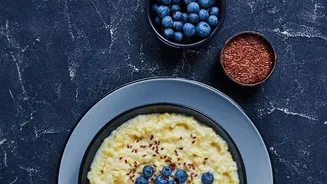




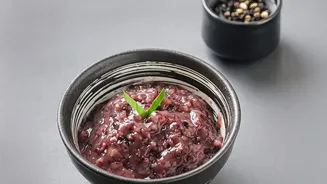
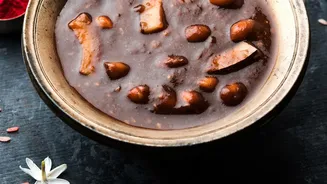
What Exactly Is Pazhanthanji?
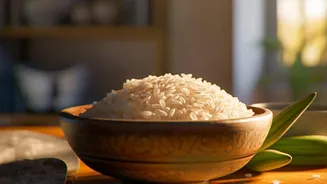
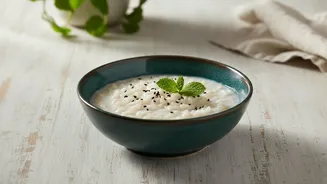
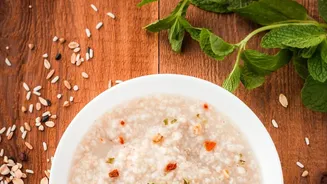
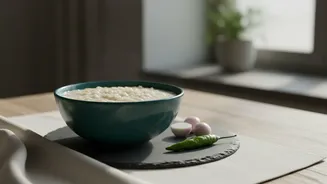
Known by various names across India like Pazhaya Sadam or Panta Bhat, Pazhanthanji is, at its core, leftover cooked rice soaked in water and left to ferment overnight in a clay pot. What was once a frugal way for farmers and laborers in Southern and Eastern
India to have a nourishing breakfast is now being rediscovered for its potent health benefits. The process is deceptively simple: as the rice soaks at room temperature for about 8-12 hours, a natural lactic acid fermentation begins. This transforms the simple grain into a nutrient-dense, probiotic-rich meal with a characteristically mild, tangy flavor. Traditionally, it's served with simple accompaniments like shallots, green chilies, yogurt, or a pickle.
The Probiotic and Nutrient Powerhouse
The magic of Pazhanthanji lies in the fermentation. This natural process cultivates beneficial probiotic bacteria, such as Lactobacillus, which are essential for a healthy gut microbiome. A thriving gut environment is linked to improved digestion, reduced bloating, and a stronger immune system. But the benefits don't stop there. Fermentation dramatically increases the bioavailability of key nutrients locked within the rice. It breaks down so-called 'anti-nutrients' like phytic acid, allowing the body to more easily absorb minerals like iron, calcium, magnesium, and potassium. Studies have also shown that the process boosts the content of B vitamins, particularly B6 and B12, which are crucial for energy production.
The Modern Fitness Connection
So why is the fitness world taking notice? The answer lies in a unique combination of benefits that align perfectly with modern athletic goals. First, as a source of complex carbohydrates, it offers sustained energy release, ideal for fueling workouts without the sugar crash associated with many processed breakfast options. Second, the focus on gut health is more intense than ever in performance nutrition; a healthy gut means better nutrient absorption from all foods, leading to more effective muscle repair and growth. Third, it's a natural hydrator. The mineral-rich liquid, sometimes called Neeragaram (water-food), is rich in electrolytes like sodium and potassium, making it an excellent way to rehydrate, especially after a morning workout. Some also find it may support weight management by promoting fullness and stabilizing blood sugar.
How to Bring This Ancient Food Home
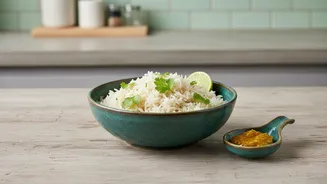
Incorporating Pazhanthanji into your diet is straightforward. Start with leftover cooked rice (short-grain varieties like Sona Masuri are common, but any will do). Place the rice in a clay or glass bowl, cover it with water, and let it sit on your counter overnight. By morning, it will be lightly fermented. You can enjoy it as is, with a pinch of salt, or customize it. Common additions include a dollop of yogurt or buttermilk, finely chopped raw onions or shallots, and sliced green chilies. While traditionally a breakfast food, its light and easily digestible nature makes it a great option for a post-workout recovery meal or a light dinner. It’s a return to simple, functional food that delivers results without the hype.