




Why Hydration Is the Foundation of a Good Sauna
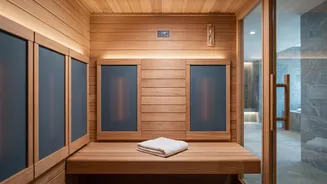
Infrared saunas work by heating your body directly, which induces a deep sweat and can raise your core temperature. This process is what drives many of the benefits, from improved circulation to reduced muscle soreness. However, it also means you can lose
a significant amount of fluid, anywhere from half a litre to over a litre in a single session. Failing to replace these fluids can lead to dehydration, which brings on headaches, dizziness, fatigue, and muscle cramps—the very things you're trying to avoid. Proper hydration isn't just about preventing these negative side effects; it's about enabling your body to recover effectively. Water helps transport essential nutrients to your muscles and flushes out metabolic waste products, which is crucial for repair and relaxation.
Before Your Session: The Preparation Phase
The key to effective sauna hydration is to start well before you feel the heat. Don't wait until you're thirsty. Aim to drink about 500 to 600 millilitres of water in the one to two hours leading up to your session. This gives your body time to absorb the fluids properly so you start your session fully hydrated. Sipping steadily is more effective than chugging a large amount right before you get in, which can leave you feeling uncomfortably full. For an added edge, especially if you've exercised beforehand or sweat heavily, consider a beverage with electrolytes. You don't necessarily need a commercial sports drink; a pinch of sea salt in your water or a glass of coconut water works well.
During the Session: To Sip or Not to Sip?
Whether you should drink during your sauna session depends on its length. For a shorter session of around 15-20 minutes, you may not need to. However, for longer sessions, it's a good idea to have a water bottle with you. Keep the sips small and infrequent to avoid any stomach discomfort. It's best to use room-temperature water, as ice-cold drinks can be a bit of a shock to your system and constrict blood vessels in your stomach when your body is working to stay warm. The goal is simply to offset some of the fluid you're losing in real-time without interrupting your state of relaxation. Always listen to your body; if you feel thirsty or light-headed, it's time for a sip.
After the Sauna: The Critical Recovery Window
What you do after your session is just as important as what you do before. The 30-minute window immediately following your sauna is when your body is most receptive to rehydration. Aim to drink another 500 to 750 millilitres of fluid during this time. This is where electrolytes become particularly important. Sweating doesn't just deplete water; it also removes essential minerals like sodium, potassium, and magnesium, which are vital for muscle function and nerve signalling. Replenishing with plain water alone can sometimes dilute the remaining electrolytes in your system. To effectively rehydrate, choose an electrolyte-rich beverage like coconut water, a low-sugar sports drink, or water with an added electrolyte powder. Pairing your drink with a light, nutrient-dense snack like a banana or a handful of salted nuts can also help restore your body's balance.
Listening to Your Body for the Best Results
While these guidelines provide a solid framework, everyone's hydration needs are slightly different. Factors like the duration and temperature of your session, your personal sweat rate, and whether you exercised beforehand all play a role. The most reliable way to gauge your hydration is to pay attention to your body's signals. Thirst is an obvious one, but also check your urine colour; a pale yellow hue is a good indicator of proper hydration. If you consistently feel fatigued, headachy, or 'flat' after your sauna sessions, it's a strong sign you need to increase your fluid and electrolyte intake. By tailoring your hydration strategy, you ensure each sauna session is a restorative experience that leaves you feeling relaxed, recovered, and refreshed.