




A Staple of Indian Cuisine
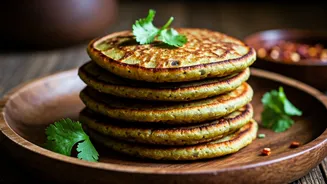
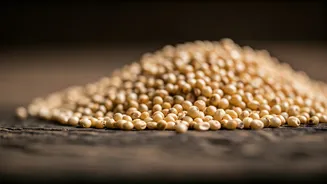
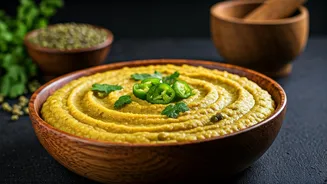
Spiced mung bean batter is a cornerstone of Indian cooking, where it’s famously known as Pesarattu in Andhra Pradesh or Moong Dal Cheela in other parts of the country. At its core, it’s a simple blend of soaked whole or split mung beans (moong dal), ground
into a smooth, pourable batter. The magic comes from the spices. Typically, fresh ginger, green chillies, and cumin seeds are blended directly into the batter, infusing it with a warm, aromatic flavour that makes it delicious enough to eat on its own. Unlike many other dosa or pancake batters, traditional pesarattu batter requires no fermentation, meaning you can soak the beans in the morning and have a fresh breakfast ready in hours.
Packed With Plant-Based Goodness
One of the greatest appeals of mung bean batter is its impressive nutritional profile. Mung beans are an excellent source of plant-based protein, which is essential for muscle repair and provides a feeling of fullness that can help curb mid-morning cravings. The batter is also rich in dietary fibre, aiding digestion and helping to maintain stable blood sugar levels. This slow release of energy is a significant advantage over sugary breakfast options that often lead to a crash. Furthermore, mung beans are packed with essential micronutrients like iron, potassium, magnesium, and folate, which support everything from energy production to heart health. Being naturally gluten-free, these savoury pancakes are a fantastic option for individuals with gluten intolerance or celiac disease.
Crafting the Perfect Batter
Making your own spiced mung bean batter at home is surprisingly simple. The first and most crucial step is to soak the mung beans. Whole green mung beans should be soaked for at least five to six hours, or preferably overnight, to soften them for blending. Once soaked, drain the beans and place them in a blender. Add your flavourings—a piece of fresh ginger and a few green chillies are classic additions for a reason. A teaspoon of cumin seeds adds a lovely earthy note. Blend the ingredients with just enough water to form a smooth, thick but pourable batter, similar in consistency to a standard pancake batter. Some recipes suggest adding a tablespoon or two of rice flour to achieve a crispier texture, but it's entirely optional. Once blended, the batter is ready to use immediately.
From Crepes to Waffles and Beyond
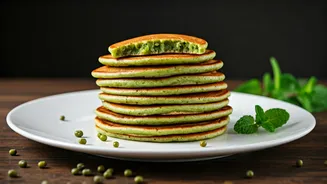
While the traditional use for this batter is to make thin, crispy crepes or 'dosas' on a hot pan, its versatility extends far beyond that. For a heartier meal, you can pour a thicker batter to create fluffy, uttapam-style pancakes, topping them with finely chopped onions, tomatoes, and fresh coriander before flipping. This batter also works wonderfully in a waffle iron for a savoury twist on a breakfast classic. For a creative snack, you can even use the batter to coat vegetable sticks before pan-frying them, creating a light and crispy exterior. The batter can also be shaped into patties and pan-fried to make savoury kebabs, perfect for tucking into a wrap with mint chutney.
Perfect Pairings and Toppings
In India, moong dal cheela or pesarattu is rarely served alone. The classic accompaniment for pesarattu is a spicy and tangy ginger chutney known as allam pachadi, which is believed to aid in the digestion of the beans. Coconut chutney is another popular and delicious choice. For a more substantial meal, you can serve the crepes alongside a bowl of sambar, a flavourful lentil-based vegetable stew. However, you don't have to stick to traditional pairings. These savoury pancakes are a perfect canvas for modern toppings. Try them with a dollop of Greek yoghurt, fresh salsa, or sliced avocado for a fusion breakfast that is both healthy and satisfying.