






The Theme Park Problem
Picture a restaurant where the decor feels like a movie set and the menu is a list of a country's most stereotyped dishes. This is the theme park approach to dining, where a rich culinary history is flattened into a handful of familiar items, served with
a side of kitsch. While often well-intentioned, this model can be problematic. It treats culture as a costume, something to be worn for an evening's entertainment rather than something to be understood and respected. The focus shifts from the food's story, its regional nuances, and the people behind it, to a generic, easily digestible experience that often reinforces stereotypes. This isn't just about 'authenticity'—a tricky and often loaded term—but about depth. When a menu takes from a culture without honouring its context, it risks becoming appropriation, a shallow performance for profit.
Intention, Respect, and Curation
The difference between cultural appreciation and appropriation often comes down to intent, respect, and research. Appreciation involves a genuine desire to learn about and honour a cuisine and the culture it comes from. A chef who travels, studies, and immerses themselves in a region's culinary traditions is practising appreciation. They understand that a dish is more than a recipe; it's a product of history, geography, and community. A thoughtfully curated multi-regional menu isn't a random collection of 'greatest hits.' Instead, it reflects a specific point of view. Perhaps it tells the story of a chef's personal journey, traces a historical trade route through its flavours, or explores the surprising connections between seemingly disparate cuisines.
Honesty Over 'Authenticity'
The word 'authentic' can be a trap. Who decides what is authentic? Cuisines are not static; they evolve, travel, and adapt. A more useful goal for a chef creating a multi-regional menu is honesty. This means being transparent about inspiration and adaptation. If a dish is a fusion, label it as such. If a recipe has been modified, explain the creative reasoning behind it. Giving credit is crucial. This could mean naming the farmers who supply specific ingredients, crediting the home cook who shared a family recipe, or acknowledging the culinary mentors who taught them a technique. This approach builds trust with diners and shows respect for the sources of culinary knowledge. It moves the conversation from a rigid, often mythical standard of authenticity to a more dynamic and honest exploration of flavour.
The Indian Context
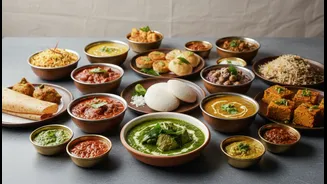
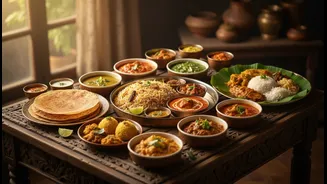
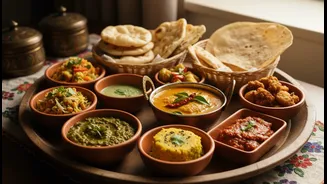
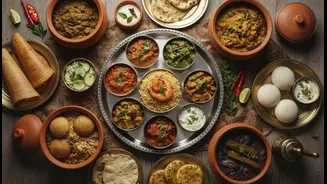
In India, the concept of a multi-regional menu is second nature. We live in a country where the cuisine can change dramatically every hundred kilometres. A restaurant in Delhi serving dishes from Kerala, Bengal, and Rajasthan is, by definition, multi-regional. The same principles of respect and curiosity apply. A chef from Mumbai exploring the intricacies of Naga cuisine should do so with the same diligence as they would if exploring Japanese or Peruvian food. The best 'multi-cuisine' restaurants in India are often those that don't try to be everything to everyone. Instead, they showcase the specific expertise of their chefs, whether it's a mastery of different regional tandoor styles or a deep understanding of coastal seafood preparations from across the peninsula. They avoid generalisations and celebrate the rich diversity within our own borders.