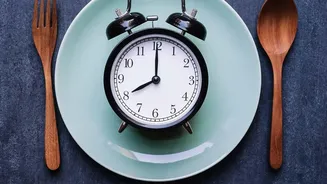







Your Body's Internal Clocks
Everyone has a master internal clock in their brain, known as the circadian rhythm. This 24-hour cycle, primarily influenced by light, tells your body when to wake up, feel tired, and release hormones. But it's not the only clock. Organs throughout your body,
including your digestive system, have their own 'peripheral' clocks. And excitingly, scientists have discovered that the trillions of microbes living in your gut also have their own daily rhythm. This microbial clock is powerfully influenced not by light, but by when you eat. These systems are designed to work in harmony, creating a finely tuned symphony that governs your metabolism, energy, and overall well-being.
What New Research Reveals
Recent studies are shining a light on what happens when these clocks fall out of sync. A study published in the journal 'iScience' examined adults with obesity and found a strong link between their metabolic health and their daily schedules. Individuals who naturally prefer to stay up late (late chronotypes) and also eat their meals later in the day showed a higher risk for metabolic syndrome—a cluster of conditions that includes high blood pressure, high blood sugar, and abnormal cholesterol levels. The research suggests this misalignment between the body's sleep clock and eating schedule can disrupt the gut microbiome and even weaken the intestinal barrier, a condition sometimes called 'leaky gut'. This can allow substances that should stay in the gut to enter the bloodstream, potentially triggering system-wide inflammation.
The Sleep-Gut Connection
The relationship between sleep and gut health is a two-way street. Disrupting your circadian rhythm through poor sleep, shift work, or jet lag can alter the composition of your gut bacteria. This can lead to an imbalance, where less beneficial bacteria may thrive. In turn, an unhealthy gut can interfere with your sleep. Gut microorganisms help produce and regulate compounds like serotonin and melatonin, which are crucial for a healthy sleep-wake cycle. When the microbial community is disturbed, it can disrupt these processes, making it harder to get restful sleep. This can create a vicious cycle: poor sleep harms your gut, and an unhappy gut harms your sleep.
Why Meal Timing Is Key
The concept of 'chrononutrition' focuses on how the timing of our food intake interacts with our internal clocks. Eating on a regular schedule helps stabilize the rhythm of your gut microbes. Conversely, eating late at night or at inconsistent times can throw this rhythm off. When you eat late, your digestive system is forced to work when it should be resting, which can lead to indigestion, acid reflux, and poor blood sugar control. Studies associate late-night eating with weight gain and a higher risk for chronic disease. The composition of your gut bacteria actually shifts throughout the day; some types are more active during your waking and eating phase, while others dominate during the sleeping and fasting phase. Consistently eating out of sync with this natural pattern can disrupt this delicate balance.
Simple Steps to Resynchronize
The good news is that you can take practical steps to support this internal alignment. One popular strategy is time-restricted eating (TRE), which involves consuming all your daily calories within a consistent window of 8 to 12 hours. For example, you might eat only between 8 a.m. and 6 p.m. This gives your digestive system a long, predictable break overnight. Studies suggest this approach can support weight loss and improve metabolic markers. Try to avoid large, heavy meals within two to three hours of your bedtime to allow for proper digestion. And perhaps most importantly, aim for consistency. Going to bed and waking up around the same time each day, even on weekends, helps anchor your master clock, which in turn helps regulate all the other clocks in your body.