







What is Recipe Costing?
At its core, recipe costing is the simple act of calculating the exact monetary value of a single serving of a dish you make at home. Restaurants use this method to price their menus, but a simplified version can be a powerful tool for any home cook.
It involves breaking down a recipe into its individual ingredients, figuring out the cost for the specific quantity used, and then adding it all up. This isn't about complex spreadsheets or tedious accounting. It’s about gaining clarity. Instead of looking at a Rs. 1,000 grocery bill and wondering where it all went, you can see that one serving of your famous paneer butter masala costs Rs. 150 to make, while your everyday dal is only Rs. 40. This simple piece of information is the first step toward smarter food spending.
Expensive Foods vs. Expensive Habits
This is where recipe costing truly shines: it helps you distinguish between foods that are genuinely expensive and habits that make your cooking expensive. An expensive food is an ingredient with a high purchase price, like saffron, good quality parmesan cheese, or a specific cut of meat. These are items you might use for special occasions. An expensive habit, on the other hand, is a pattern of behaviour that inflates the cost of even simple meals. Examples include frequently buying small, branded packets of spices instead of larger packs, opting for pre-chopped vegetables, letting fresh herbs wilt in the fridge, or being loyal to a premium brand when a store brand is just as good for staples like flour or sugar. A skilled cook with standard ingredients can often produce a better meal than a novice using premium ones. Your habits, not just the ingredients, have a huge impact on your budget.
How to Cost a Recipe: A Simple Guide
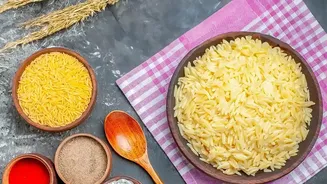
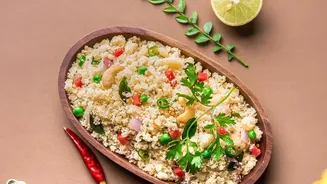
Let's try costing a simple recipe for two servings of vegetable pulao. First, list your ingredients and the amount you'll use: 1 cup of rice, 1 onion, 1 tomato, mixed vegetables, spices, and 2 tablespoons of oil. Now, find the unit price for each item. If a 1kg bag of rice costs Rs. 100, and holds about 5 cups, your unit price is Rs. 20 per cup. If a 1kg bag of onions is Rs. 40, and contains 10 onions, each one costs Rs. 4. Do this for every ingredient. Add up the costs: Rs. 20 (rice) + Rs. 4 (onion) + Rs. 5 (tomato) + Rs. 15 (veggies) + Rs. 5 (spices) + Rs. 3 (oil) = Rs. 52. Since this makes two servings, the cost per serving is Rs. 26. This process of looking at the unit price—the cost per gram, per ml, or per piece—is crucial for making smart comparisons. Many stores display this on shelf tags, but you can also calculate it yourself by dividing the total price by the quantity.
What You Will Uncover
Once you cost a few of your regular meals, patterns will emerge. You might discover that your 'quick' weeknight pasta is surprisingly expensive because you buy a small, imported jar of sauce. Or you might find that the half-bunch of fresh coriander you throw away each week adds up significantly over a month. These are your expensive habits. Common culprits include: reliance on convenience foods, poor inventory management leading to food waste, impulse buys not on your shopping list, and failing to use leftovers creatively. Meal planning is a direct antidote to many of these habits. When you plan what you'll cook, you buy only what you need, reducing both waste and unnecessary spending.
Making Smarter Choices
The goal of recipe costing isn't to force you to eat only the cheapest meals. It's to give you the data to make informed choices. If you know that making your own ginger-garlic paste saves you Rs. 50 a week, you can decide if the convenience of the pre-made jar is worth it. Maybe you decide to save on basics, like buying staples in bulk or switching to store brands, so you can afford to splurge on that high-quality cheese or special fish. It’s about being intentional. Use seasonal vegetables, shop at local markets for better prices on produce, and keep your pantry organized so you know what you have. By understanding the true cost of your meals, you can cut expenses without sacrificing the flavour or quality of the food you love to eat.