





De-escalation Over Distraction
When a pet is truly anxious or frightened, their body is in a state of high alert, governed by stress hormones like cortisol and adrenaline. This is often called the "fight-or-flight" response. In this state, their digestive system slows, and their appetite
can vanish. An offered treat, however well-intentioned, might be ignored or even add to their sensory overload. A panicked animal isn't thinking about snacks; it's looking for safety. While a treat can be a great tool for positive reinforcement during training or for mild stress, deep-seated anxiety requires a different approach. The goal should be to help your pet's nervous system de-escalate, not just to distract them for a moment. Providing a secure space allows them to do this on their own terms, which is a far more effective long-term solution.
The Psychology of a Safe Space
Both dogs and cats have natural instincts that draw them to small, secure areas when they feel threatened. For dogs, this taps into an ancestral denning instinct, where an enclosed space offers protection from predators. For cats, who are both predators and prey, a safe space often involves a high vantage point or a hidden spot where they can observe their surroundings without being seen. Creating a designated sanctuary for your pet is about honouring these instincts. It's a place where they are in control, where no one will bother them, and where they can decompress without any pressure. This sense of control is psychologically powerful, helping to lower stress levels and build their confidence. Forcing an anxious animal to interact or stay in a busy environment can lead to "trigger stacking," where multiple small stressors build up until the pet reacts with an outsized display of fear or aggression. A quiet room acts as a circuit breaker, preventing that overload.
How to Build the Perfect Pet Haven
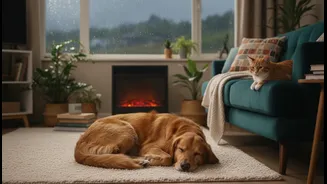
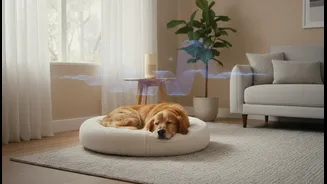
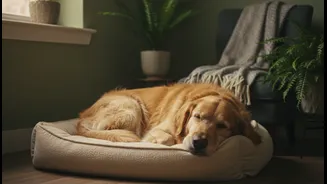
Creating an effective safe space is more than just closing a door. It's about curating an environment that signals comfort and security. Start by choosing a quiet, low-traffic area of your home, like a spare bedroom or a secluded corner. For dogs, a crate furnished with soft bedding can be an ideal den, while cats may prefer a multi-level cat tree or a covered bed in a closet. Key elements to include are: - Familiar Scents: Add a blanket or an old t-shirt that smells like you. Familiar scents are incredibly comforting to pets. - Comfortable Bedding: A plush bed or soft blankets make the space inviting. - Water Access: Always ensure fresh water is available nearby. - Calming Aids: Consider a plug-in pheromone diffuser. Products like Adaptil for dogs and Feliway for cats release synthetic pheromones that mimic the calming signals from a mother animal, which can help reassure your pet. - Distractions: Provide a long-lasting chew or a food puzzle toy. Licking and chewing are self-soothing behaviours that can help reduce stress. - Block Out Stressors: Use a white noise machine or play calming music to mask frightening sounds like thunder or fireworks. Closing curtains can block unsettling visual stimuli.
When to Offer Space, Not Snacks
Learning to read your pet's body language is the key to knowing what they need. An animal that is simply excited or seeking attention might solicit interaction and happily accept a treat. But an anxious or overstimulated pet will show distinct signs of distress. For dogs, look for behaviours like excessive panting, trembling, a tucked tail, pinned-back ears, yawning when not tired, or lip licking. A truly overwhelmed dog might become hypervigilant, constantly scanning their environment, or even freeze completely. Cats often signal stress by hiding, excessive grooming, tail flicking, or hissing. If you see these signs, it's a clear signal to give your pet distance. Guide them to their safe space and let them choose to retreat. Never force them into the space or punish them by sending them there. The safe space must always be a positive sanctuary that they can enter and leave freely.